


What Is NASCAR’s Drive for Diversity Program?

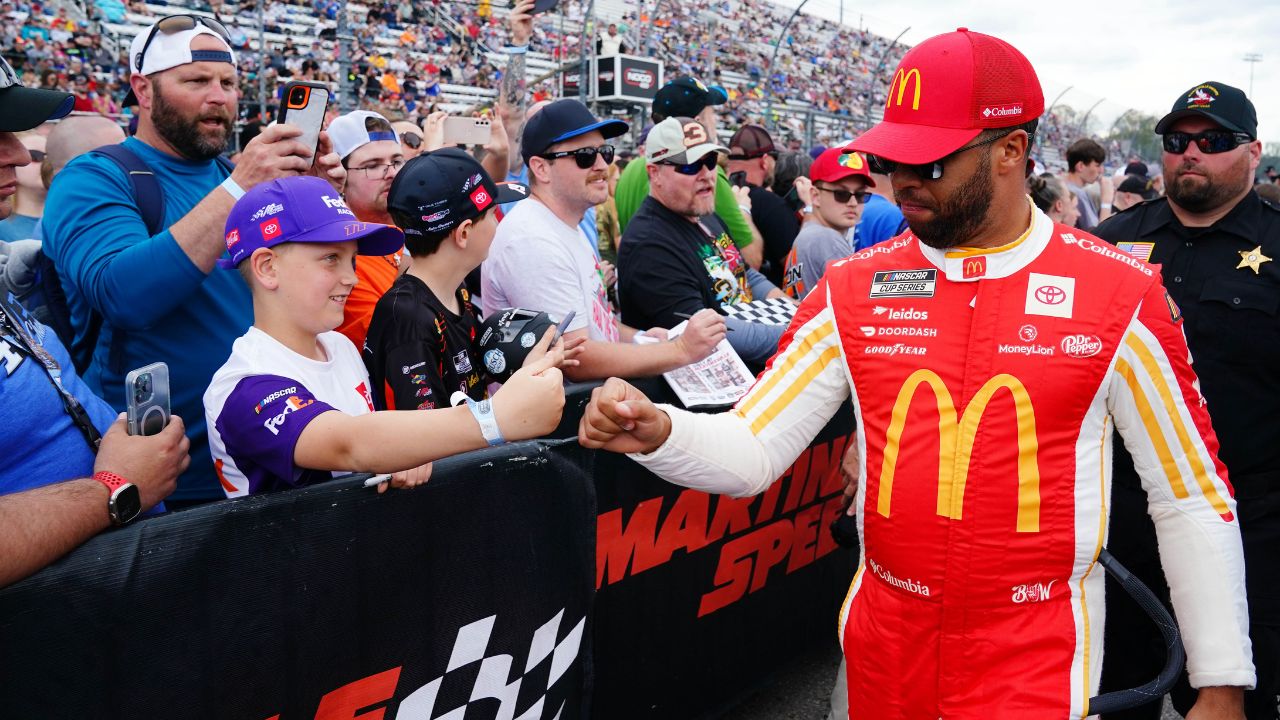
NASCAR has predominately been a male-dominated and an all-white sport for a long time. To change things up and provide a route to include people across various diversities and experiences, the governing body formed the Driver for Diversity Program back in 2004. The program facilitates women and attracts minorities to join the sport in various roles, be it driving or as a crew member, everything is an option. Additionally, having such a program in place also helps the sport appeal to a much wider fan base.
But it does not mean that NASCAR has always had diverse talent appear in the sport with and only with the program in place. In fact, there have been quite a few drivers who made it through. The likes of Cuban-American Aric Almirola and Colombian driver Juan Pablo Montoya got into the sport before the implementation of the program.
Similarly, Ethel Flock and Janet Guthrie raced in the sport long before such a program even materialized. Then, we had the likes of Wendell Scott and Willy T. Ribbs, who broke the color barrier and set an example within the sport. So why is having a separate program for this so important?
While minorities have gotten into the system in the past, this specific program was specifically designed to speed up the overall process and create more opportunities and avenues for individuals to get into the sport. After all, NASCAR would love to grow as a sport moving into the future. Especially when times have changed, allowing for more progressive mindsets to flourish.
Some popular drivers in NASCAR who emerged from the Drive for Diversity Program
Ever since the introduction of this program, there have been several drivers that have made it through to the different series within NASCAR. Some have even made it up to the Cup level for that matter.
One of the biggest examples of the drive for diversity programs’ success is 23XI Racing’s Darrell Wallace Jr., popularly known as Bubba Wallace, and the Japanese-American Hendrick Motorsports driver, Kyle Larson. Similarly, we have Mexican-American driver Daniel Suarez who currently races for Trackhouse Racing. There are several more that have graduated from the program, such as Truck Series drivers Rajah Caruth, and Hailie Deegan, as well as Xfinity & ARCA Menards driver Natalie Decker, etc.
Overall, the program has seen some good drivers come through, but often after graduating through the D4D, they have trouble finding sponsorship to climb the ladder.
But the implementation of such a program has no doubt created an avenue for a diverse and inclusive talent pool to enter the sport and it might yield even greater things in the future.
About the author


-
Neha Dwivedi •
Denny Hamlin’s ‘Gateway’ To Strengthening 2025 NASCAR Playoff Standing: ‘Need To Stack Those Points’
-
Neha Dwivedi •
‘I See Them Max Verstappen & Sergio Perez Cars’: NASCAR Fans Chime in as Kyle Busch & Family Share Christmas Celebrations
-

Soumyadeep Saha •
What Was NASCAR’s Richest Owner Roger Penske’s First Job?
-

Gowtham Ramalingam •
“$18 Million Is Just for the Car”: Denny Hamlin Shuts NASCAR Driver Down Over Charter Talk
-
Nilavro Ghosh •
Was the Next Gen Car Responsible for Kyle Larson’s Atlanta Crash?
-
Neha Dwivedi •
‘Should’ve Been More Careful’: Ty Gibbs Reflects on Scary Sprint Car Crash in Las Vegas