


Gilbert Arenas Explains the Hidden Financial Tactics Used by NBA Teams

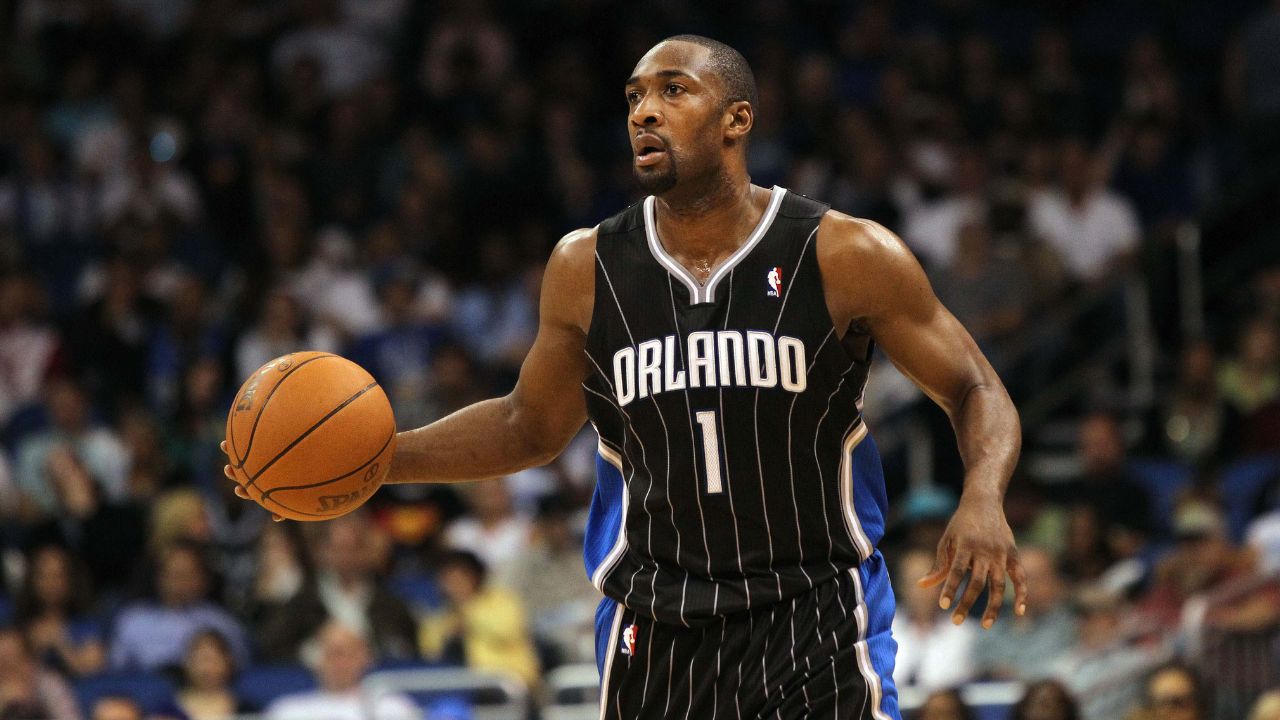
The NBA and its 30 franchises generate billions of dollars in revenue annually through TV ratings, advertisements, brand sponsorships, and other avenues. However, it seems that this financial success doesn’t always translate into fair treatment for their star players. Many teams employ complex financial tactics to avoid fully honoring max and supermax contracts, leaving franchise players shortchanged despite their contributions to the league’s profitability.
Gilbert Arenas broke down some hidden monetary tricks available to NBA franchises on the No Chill Gill podcast. Diving into means used by teams, preventing them from offering or paying a player for his maximum potential, Arenas used the Spurs rookie, Victor Wembanyama as an example to break down the tactics used by the team’s upper management.
“If you do not make 65 games, you cannot be an All-NBA player. Who’s interest is that in now?… So, if Wemby is sitting at that 70-point game and he has a knee injury or something’s wrong with his body. Remember who signs off that he’s ready to play. The medical staff and coaches and upper management.”
The league’s new 65-game rule prevents players from making All-NBA Teams if they fail to meet that mark. If the player does not make an All-NBA team, he is not qualified for a max or a supermax contract. So, in a scenario where Wemby may be preparing his return after missing out on games due to an injury, the team’s management would prefer shutting him down instead.
“Instead of bringing him (Wembanyama) back, imma hold him out longer so he misses the threshold to be on that team so he doesn’t get the extra supermax deal. Which saves us money as an organization.”
Now, a player like Wembanyama is one of the main attractions at Spurs games. He is the reason why ticket prices tend to skyrocket and yet fans fill up the stands on a nightly basis.
However, it would be much more beneficial for the team if he ended up missing the 65-game mark, making him ineligible for a supermax contract. That way, the league will have to replace the 20-year-old with another player.
But while the organization may not care about their player’s individual stats and accolades, it ends up giving them a huge break from offering their star player a max or a supermax contract, saving millions in cap space and making more profits.
About the author


-

Nickeem Khan •
“She Had a Boyfriend at the Time”: Candace Parker Reveals How She Met Her Wife
-

Tonoy Sengupta •
“Ja Morant is officially baby Allen Iverson!”: NBA Twitter reacts as the Grizzlies star gets crafty for an incredible finish vs the Clippers
-

Prateek Singh •
Karl Malone’s 2017 Post with Drake Resurfaces After Kendrick Lamar’s ‘Not Like Us’ Allegations
-

Raahib Singh •
“It’s Not Just the Stephen Curry Show!”: Andre Iguodala Once Recalled Draymond Green Picking a Fight With Warriors Superstar
-

Raahib Singh •
“Drake is trying to re-ignite the beef between LeBron James and Kanye West”: NBA Twitter reacts to the Lakers’ superstar catching a stray diss from Ye
-

Ayo Biyibi •
Kendrick Perkins Makes Bold Shai Gilgeous-Alexander Claim, Reveals One Condition for OKC Star to Surpass Former Thunder Star Kevin Durant