Lane Kiffin’s breakup with the Ole Miss Rebels is proving to be one of the most controversial story lines in the history of college football, and it isn’t difficult to understand why. Not only did the 50-year-old play caller elect to take the cash and leave his team hanging in favor of the LSU Tigers just before the postseason, but he also took key pieces of their offensive coaching staff with him, essentially leaving them shorthanded right before the holiday season.
Advertisement
Everyone from former players to current analysts has shared their takes on the matter, and the majority of them are critical of Kiffin. However, there are some, like Diego Pavia, who are capable of seeing and accepting both sides of the dilemma.
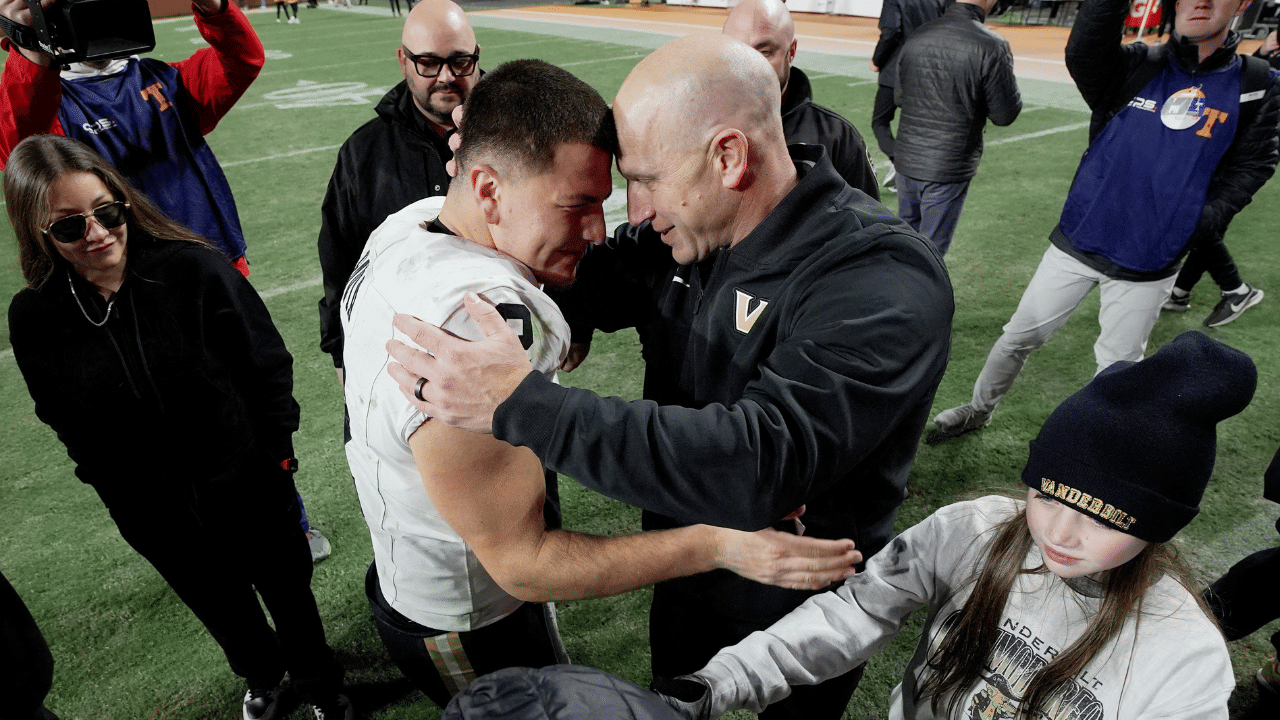
A 6-2 record in the SEC doesn’t come easily, and neither does a bid for the Heisman trophy, but Pavia has managed to produce both under the guidance of his own head coach, Clark Lea. During a recent appearance on the Bussin’ with the Boys podcast, the senior QB of the Commodores was asked how he would have handled things if Lea had pulled a similar stunt to that of Kiffin’s.
The 24-year-old smugly suggested that he and his teammates would have attempted to weather the storm and gut it out in the playoffs. “We could get some plays together,” Pavia remarked.
However, he promptly followed that up by explaining that he doesn’t fault Kiffin for taking the better opportunity elsewhere either. “I remember at New Mexico State, when everyone was leaving. It’s just like everyone hitting the portal now. They have to do what’s best for them.”
At the end of the day, no matter if you’re working in an office somewhere or you’re wearing a headset on Sunday afternoons, it’s almost impossible to blame someone for accepting a nearly $100-million deal. At 50 years of age, Kiffin will now receive an annual salary of $13 million throughout the next seven years.
In addition to making him one of the highest-paid coaches in the history of college football, the Tigers will also be able to give Kiffin a better chance at acquiring talent. That added bit of talent will presumably translate to more wins, and more wins mean more money.
It may be considered a calloused, selfish move, but what else can you expect when college sports are becoming more of a business than a place to learn values and responsibility? In a day and age where three of the most important words in sports are “name, image, and likeness,” it’s essentially impossible to expect any individual not to do what is best for their bottom line, especially when they operate in such a volatile environment.