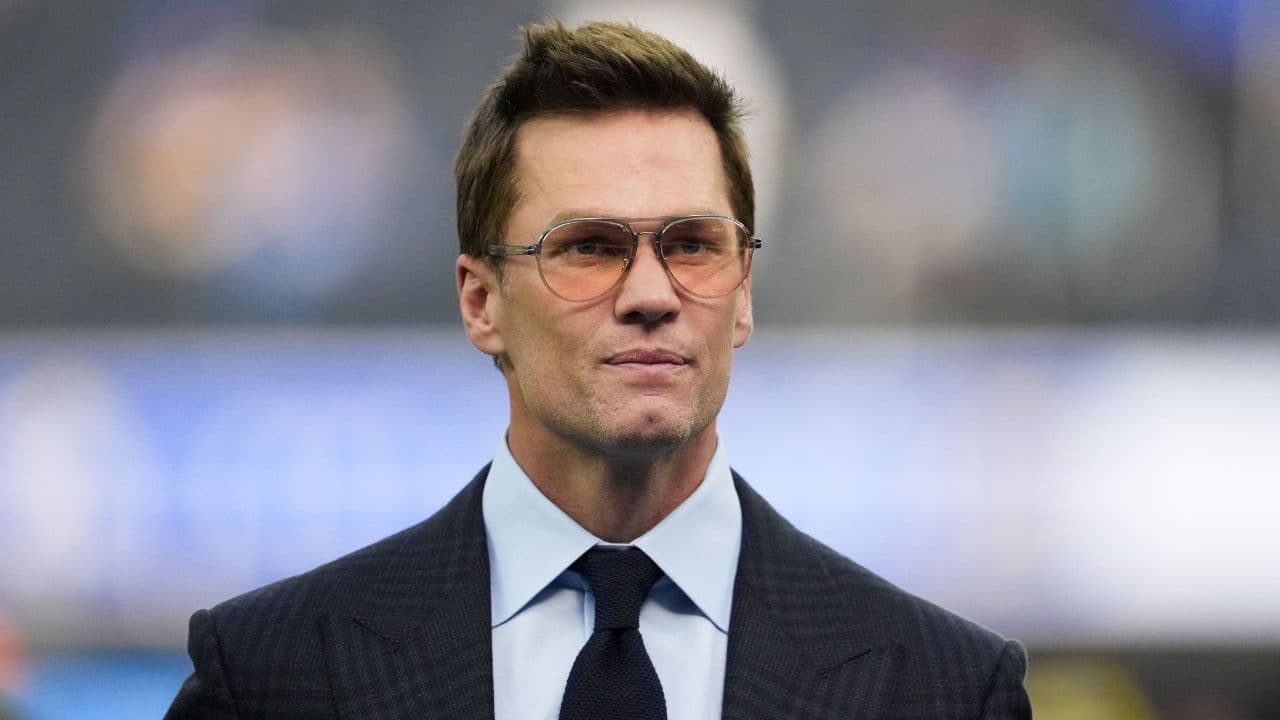
Lead NFL commentator for Fox Sports, Tom Brady, has already spent two years in the booth calling games. Crazy how fast time flies, right? When he first started the $375 million gig in 2024, a lot of people criticized him for the early jitters and those awkward pauses. But by the end of the 2025 season, he had clearly leveled up.
Advertisement
The improvement in Brady’s commentary became very obvious. His breakdowns started sounding sharper, almost like you were hearing a quarterback read the field in real time.
One moment that really stood out came during the NFC Wild Card game in Philadelphia, when he got into the nitty-gritty of how a quarterback actually throws the football in heavy wind. Fans loved it. We loved it. It was classic Brady getting obsessive about the tiny details that go into perfecting a throw. And he says he plans to get even better next season by leaning into one key idea. Leading through likability.
But why likability? In his weekly newsletter, 199, Brady pointed to legendary broadcaster Tim McCarver as an example. According to Brady, McCarver mastered the art of connecting with viewers through a mix of traits that made him incredibly effective in the booth… Likability.
Brady says that same likability is built from things like charisma, camaraderie, authenticity, aura, and empathy. Put those together, and people naturally gravitate toward you.
But Brady takes one more step. If likability matters so much in a job where you have to both lead and relate to people, then it brings up a bigger leadership question. The classic one. Is it better to be loved or feared?
This debate has been around for centuries. It goes all the way back to Niccolò Machiavelli and his famous book The Prince (1532). Machiavelli argued that fear is often the more reliable motivator. Brady says, from his own NFL experience, there is some truth to that. Players often respond more consistently to fear than to constant praise. Too much praise can lose its value over time.
However, leaning completely on fear is not the answer either. Brady believes that approach can build resentment and distrust. On the other side, relying only on love can make a leader look soft and weaken authority. So his takeaway is pretty simple. The best leaders find a way to balance both.
That is where likability comes in. When a leader carries traits like authenticity, charisma, camaraderie, and empathy, people do not really fear the leader himself. Instead, they fear disappointing him. They fear letting the team down.
In Brady’s words, likability flips fear on its head and turns it into accountability. And to be fair, that idea makes a lot of sense. When someone leads by example and carries themselves the right way, people are naturally willing to run through a wall for them.
“Leadership is all about holding the tension between love and fear as you ask people to believe in you and to trust that you will take them in the direction they want to go, no matter how windy or difficult the path might be,” Brady explained.
“I got out in front of them after losses and got behind them in victory. A lot of likability came out of that dynamic. And while I hope all those guys loved playing with me (they definitely didn’t hate all the winning), I’m sure most of them were also motivated by the fear of letting me down, because they knew they’d be letting themselves and the team down in the process,” he added.
On a funny note, Brady’s conclusion kind of reminds you of a famous line from The Office. The show’s iconic character Michael Scott once answered the same question like this:
“Would I rather be feared or loved? Easy. Both. I want people to be afraid of how much they love me.”
View this post on Instagram
Good stuff.