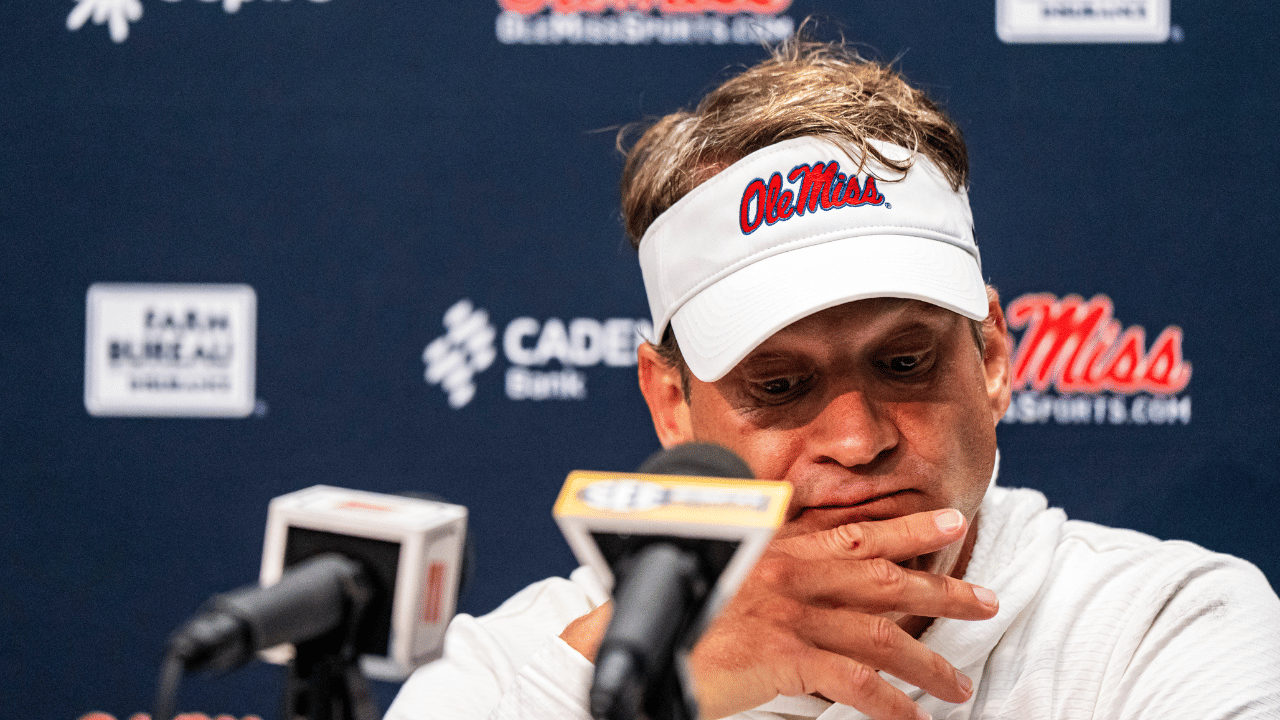
After weeks of rumors, negotiations, denials, and a bizarre timeline that stretched beyond the Egg Bowl, LSU finally got its guy. However, the blockbuster hire of Lane Kiffin comes with a staggering price tag and a financial reality the school can’t escape. The Tigers are now paying three head football coaches simultaneously.
Advertisement
Kiffin’s new seven-year, incentive-heavy deal, valued at roughly $90-91 million, has made him one of the highest-earning coaches in college football. But his arrival also reopens LSU’s checkbook to cover the expensive ghosts of its past decisions.
The school confirmed last week that it fired Brian Kelly without cause, locking in the remaining $54 million on his contract. And while Ed Orgeron’s buyout has nearly run its course, LSU still owes him a final $426,000 payment scheduled for December 15 this year. On top of it all, $25M more has been dedicated to assembling Kiffin’s support staff.
For a 7-5 team, it’s one of the wildest coaching payroll situations in college sports.
Kelly’s situation drew public heat long before LSU cut him loose. Louisiana Governor Jeff Landry blasted the “terrible” contract back in October, warning that taxpayers would feel the financial burn.
“All I care about is what the taxpayers are going to be on the hook for,” Landry said at the time. “We were raising ticket prices, having a losing season, paying a coach $100 million, and not getting the results.”
Of course, all this has raised some eyebrows, with more fans asking the same question Landry did: Who’s paying for all this? As details of the contract went public, fans across social media erupted, not about Kiffin, but about LSU’s wallet.
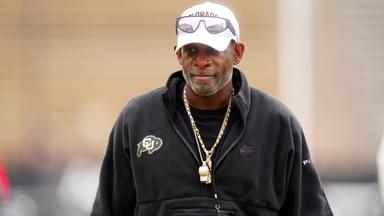
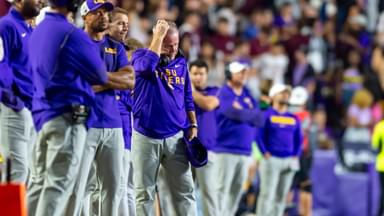
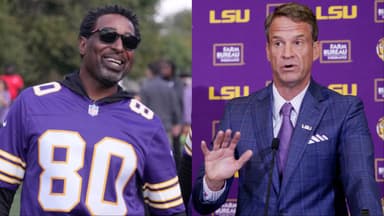
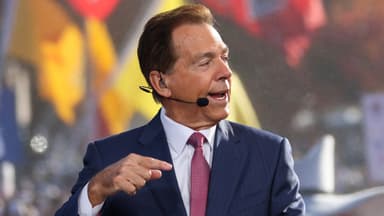
LSU is currently paying 3 head football coaches:
💰 Lane Kiffin: Just hired ($91M contract
💰 Brian Kelly: Fired 2025 ($54M buyout)
💰 Ed Orgeron: Fired 2021 ($17M buyout)(h/t @whalexander_) pic.twitter.com/aUeS0aZkR4
— Front Office Sports (@FOS) December 1, 2025
Many pointed out that LSU has received $1.6 billion in federal funding since 2021. But tuition fees continue to rise. Students are bearing increasing costs while the athletic department throws around money for football coaches.
“Where do they get the money? And for what? Why is football so important to a public institution?” was the predominant sentiment among the fans in the comment section. “Where in the hell are they getting all this money, and why the hell isn’t someone saying, ‘you’re done hiring football coaches?” wondered a fan.
One user succinctly answered the question for everyone: “WE are paying for LSU’s head coaching failures.”
“This is gross for a school to throw away these resources. That money could be used for tuition for so many kids. Focus on the STUDENT part of student-athletes!” another X user pointed out.
The school even agreed to cover Kiffin’s $3 million Ole Miss buyout and pay him the CFP incentives he would have hit had he stayed in Oxford. That includes $150,000 for a first-round appearance and up to $1 million more if the Rebels win the national title.
Kiffin becomes the second-highest-paid college coach in the country, trailing only Georgia’s Kirby Smart. His contract contains escalation clauses that would automatically make him No. 1 if he brings LSU another national championship. He also has a combined $4 million bonus waiting if LSU wins the SEC and the national title this season. LSU would owe him 80% of his remaining deal if it fires him without cause before 2032.
It’s a massive deal, but LSU is hoping that it will finally get them back to the College Football Playoff, a stage they haven’t reached since Orgeron’s 2019 national championship run. However, to many, LSU’s priorities seem completely inverted.
There are also those who believe that this is the cost of doing business in the SEC, where national titles keep donors happy, and football runs the financial ecosystem. Now the burden falls entirely on Kiffin, as does the microscope.
LSU has committed more than most programs would ever dare, all to rebuild its football identity. The question being asked across Louisiana and beyond now is if all this money is going to buy LSU the success it’s chasing, or just deepen the hole they’ve already dug?