


Big Ten, SEC Tighten Rules on NFL Players Returning to College As Dae’Quan Wright Joins LSU


The Big Ten and SEC announced new restrictions on former professional athletes returning to college competition as Dae’Quan Wright cleared waivers from the Cleveland Browns and prepared to join LSU.
Wright will join Zxavian Harris in switching from the NFL to college football, a move that has sparked controversy.
The developments highlight the growing conflict over eligibility rules after a Louisiana court order opened a route for some players to seek an additional season of college competition following NFL activity.
Why the Big Ten and SEC Are Drawing the Line
The Big Ten adopted a rule barring football players from maintaining eligibility at conference schools if they signed a professional contract, appeared on a professional roster, or declared for the NFL draft as an underclassman without withdrawing.
According to ESPN, the conference’s athletic directors and faculty athletic representatives unanimously approved the policy.
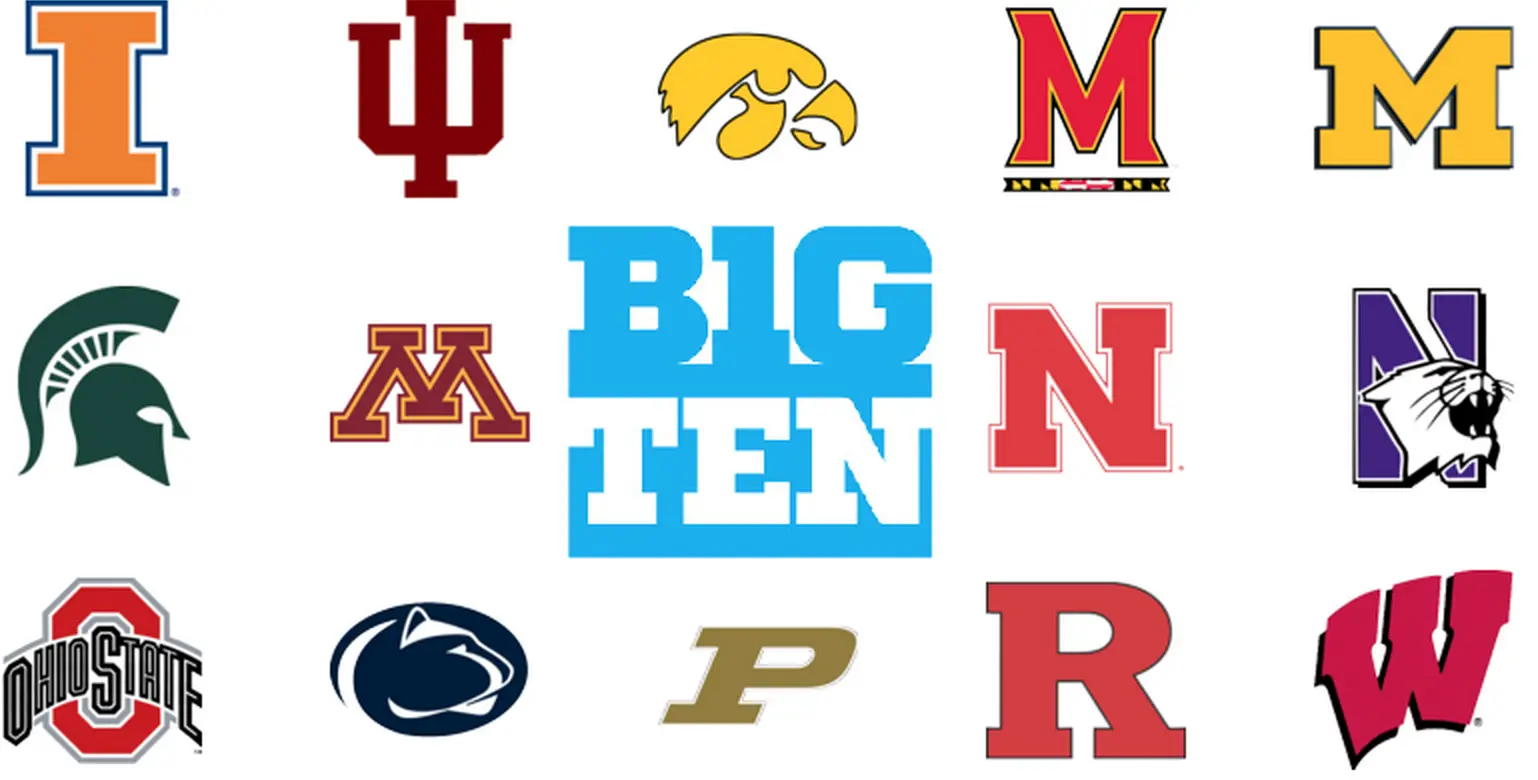
A Big Ten team that violates the rule could face a suspension for its head coach of 50 percent of the remaining season, along with an undisclosed fine. The conference also said it continues to evaluate potential restrictions involving professional athletes in other sports.
The SEC announced a similar policy later Tuesday. Its restrictions also cover men’s and women’s basketball players returning from professional leagues, including the NBA and WNBA.
Wright’s Route Back to College
Wright, a former Ole Miss player who was with the Browns, cleared waivers Tuesday. Wright and fellow former Ole Miss player Harris are set to join LSU coach Lane Kiffin’s roster after parting with their NFL teams.
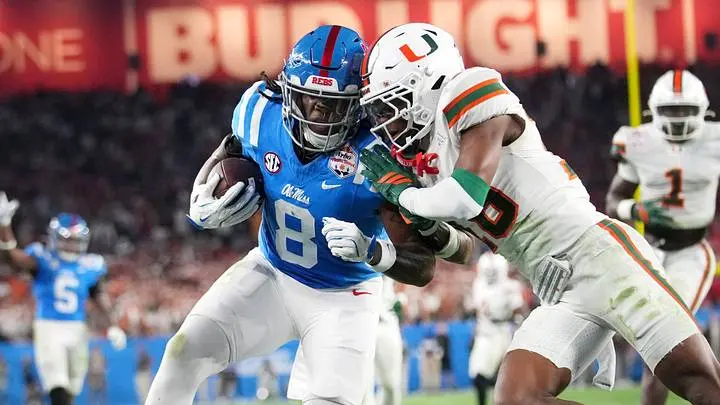
The players’ college return is tied to a temporary restraining order in Louisiana concerning athletes who had completed four years of eligibility after entering college in 2022. The order allows eligible players to seek a fifth season if they terminate their NFL contracts and repay money earned through those contracts.
The dispute is focused on the NCAA’s implementation of an age-based eligibility policy and the treatment of players who entered college in 2022. The temporary restraining order remains in place through a scheduled hearing.
A Narrow but Significant Eligibility Dispute
The conference policies aim to prevent players with professional contracts, roster appearances, or certain draft declarations from returning to conference competition. Under the SEC policy, players who meet those conditions would not be permitted to play for a member school.
For now, the court order provides a potential path for players covered by the Louisiana case, while the new conference rules seek to limit similar returns going forward. The clash between those positions leaves questions about college eligibility subject to both conference policy and ongoing legal proceedings.
The central issue is the gap between a court order that permits certain players to pursue another season and conference rules designed to restrict returns from professional sports. How that conflict is resolved will shape whether those players can ultimately compete for their schools.
About the author

-
Samnur Reza •
Myles Garrett Teases His Latest Halloween Costume as the Best One Yet, Ranking His Reaper Costume 5th
-
Nidhi •
Chloe Kim Admits She Thought She Was Going to See Martin Garrix, Not Myles Garrett at Browns Game
-

Anushree Gupta •
Ravens OC Todd Monken’s Wife Had a Simple Solution to Husband’s Complex Looking Problems
-
Aniket Srivastava •
“Had Me Come in to Watch Some Tape”: Chiefs Owner Clark Hunt Recalls the First Time He Discovered Patrick Mahomes
-

Alex Murray •
Pete Carroll Once Talked About the Biggest Difference Between His and Bill Belichick’s Coaching Philosophies
-
Samnur Reza •
Tyreek Hill Arrest History: How Many Times Has Cheetah Faced the Law?