


Why Does NASCAR Prefer to Race in the Oval Format?

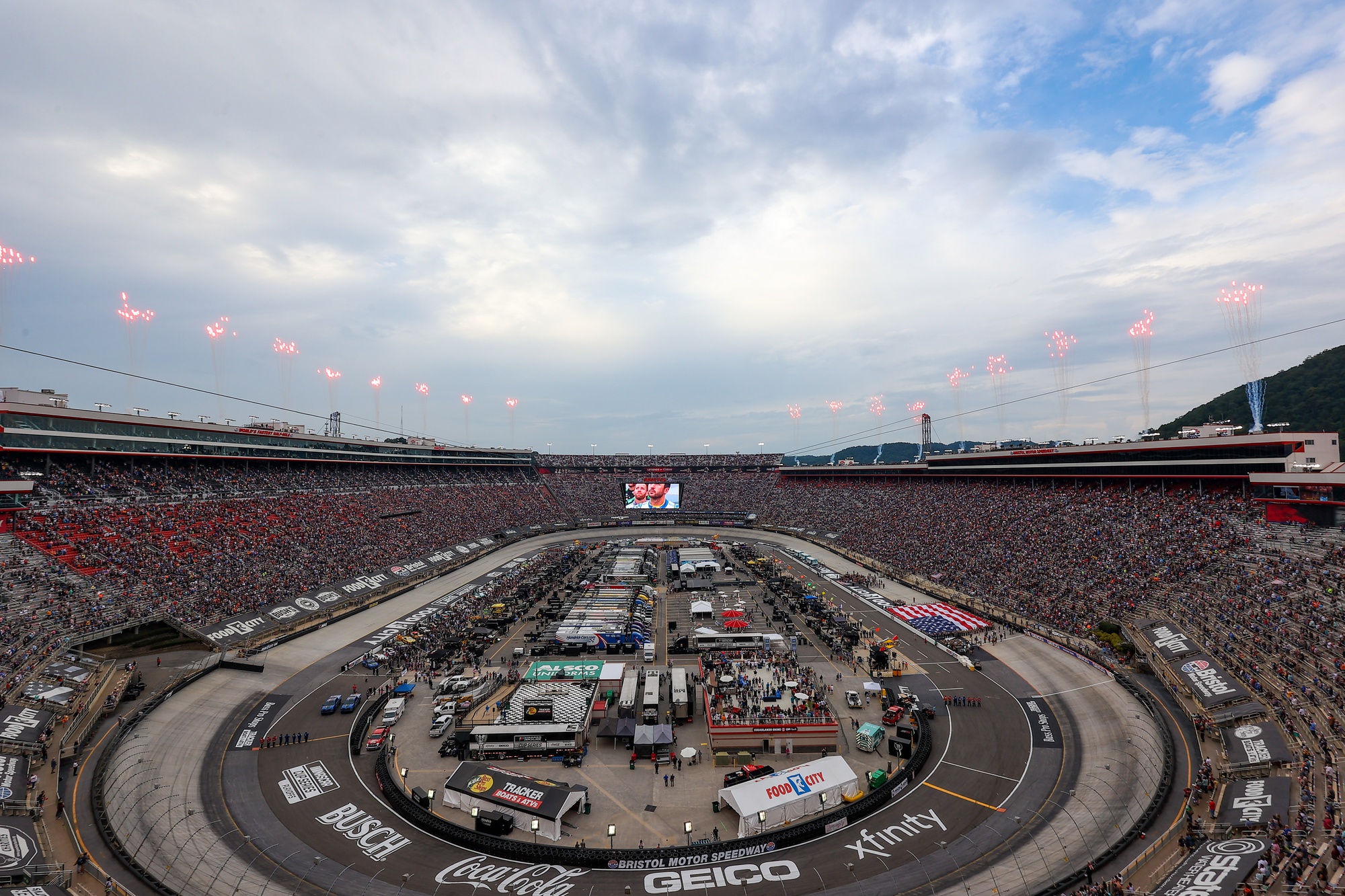
Ever wondered why most of the racetracks in NASCAR and American Motorsports in general are oval-shaped and why this isn’t the case with any other motorsports outside of the United States? Well, there is a good reason for that, and it isn’t just to witness incredible close-quarters racing.
Back in the early days of the sport, selling tickets used to be a nightmare for organizers, especially when the races took place on public stretches of roads, such as the original Daytona Beach races. But with the oval format tracks it was easier to pack in the fans into an enclosed area where they could watch the entire race from their seats.
Comparing this with the European traditional road courses, fans could only see a couple of corners during a race. While it aided in the overall fan experience, it also made selling tickets for the event a much easier affair.
Some other points that made Oval racing a successful affair in American Motorsports
Another major pointer that aided the growth of oval race tracks around the country was the fact that they were significantly cheaper than building an entire purpose-built race track. Many tracks in the rural areas could also be made on dirt without any asphalt or concrete being used.
Also, the allure of something known as pack racing, allows the fans attending to witness faster speeds, more wheel-to-wheel action, and also quite a few wrecks during most of the races. Thus increasing the entertainment value of the sport.
Over the years multiple oval format tracks popped up across the country. Interestingly, some were not even oval-shaped but still carried the name. Different-sized tracks also gained popularity such as the two-mile or longer tracks called Superspeedways, the one to two-mile-long Intermediate (Speedways) tracks, and short tracks which were shorter than a mile.
Meanwhile, looking into the future of the sport, surely we shall not ever move away from racing on the Ovals. After all more than any reason there’s the fact of a 75-year-long tradition that has tagged along since the days of the early Dayton beach races.
About the author


-
Gowtham Ramalingam •
Was William Byron’s “Days of Thunder” NASCAR Scheme the Best in Cup Series History?
-
Gowtham Ramalingam •
“Nobody Forced Me to Be Dale Earnhardt Jr.’s Crew Chief”: When Greg Ives Gave Pointed Response to Being Under Pressure as Jr.’s Partner
-
Ankit Sharma •
“Not on My Radar at All”: Kyle Larson Has No Time for Tony Stewart’s SRX Series
-

Neha Dwivedi •
Dale Earnhardt Jr. Opines on ‘Proper Deterrents’ in Light of NASCAR Martinsville Penalties
-
Gowtham Ramalingam •
Is Joe Gibbs Racing Going Down the Hendrick Motorsports Way With NASCAR Future?
-
Gowtham Ramalingam •
How Did Dale Earnhardt Jr. Get the NASCAR History Bug? Hall of Famer Reveals Origins