


“Michael Jordan the Black Guy”: Pondering His Ascension to Greatness, MJ Once Pondered the Repercussions of His Fall From the Pedestal

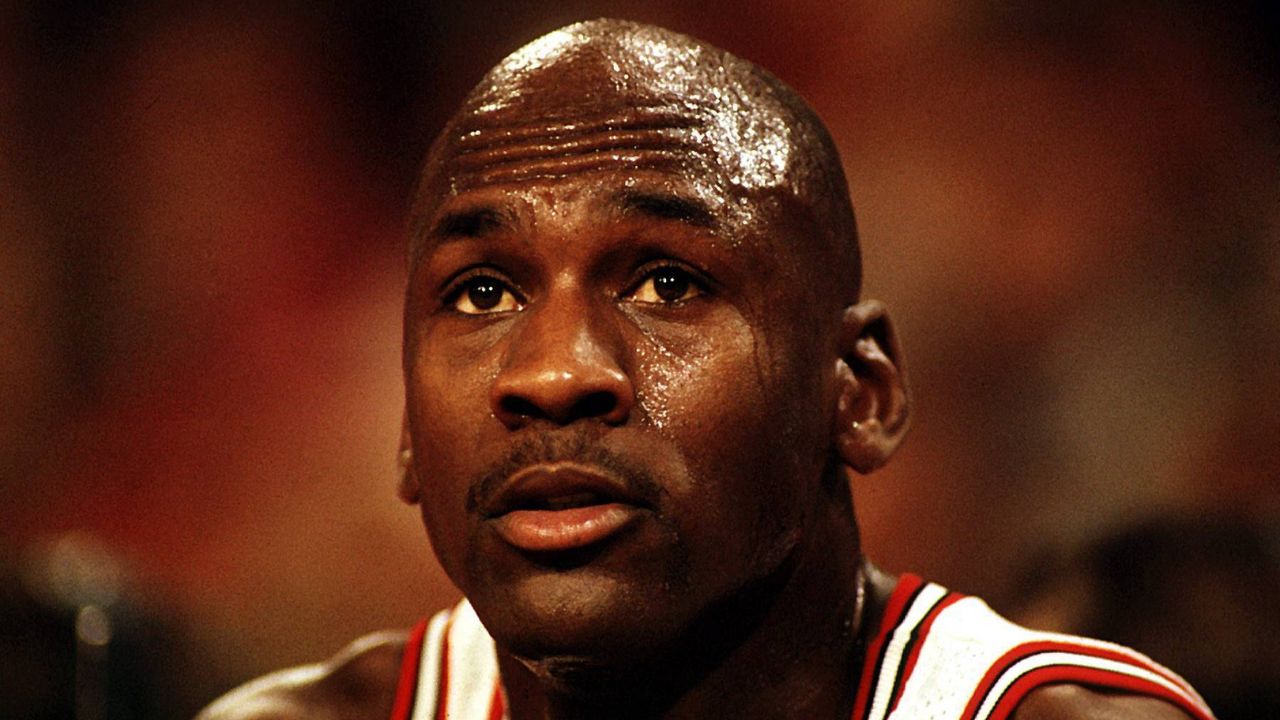
Even before he won his first championship in 1991, Michael Jordan established himself as one of the most revered figures in the world. His magnetic impact made people look beyond his African-American identity. However, the 1988 Defensive Player of the Year was scared that if he fell from his “pedestal” then he would be once again perceived as a black man. In his 1989 GQ interview, the sensational scorer touched upon the fears of falling from grace and how perceptions can shift because of that.
During the GQ feature, Jordan appreciated that young kids, especially white kids see him as a person rather than a black man. However, he was afraid that if he ever happened to fall publicly then these innocent kids would change their perspectives. In that case, the parents of these adoring children would view MJ in a negative light, focusing on his racial identity.
“If I so happen to fall publicly, the first thing I’m going to get discomfort from is their parents. Who knows what their parents might say? And they can be the biggest influence in changing me from Michael Jordan the person to Michael Jordan the black guy,” expressed the 1988 scoring champion.
His fears were legitimate considering MJ built a messiah-like image. The press was always hounding him and every action was measured carefully. As a rich NBA superstar, he was always on the move and was permeable when it came to the allure of nightlife. Throughout his career, Jordan had a serious gambling addiction and he would have liked the details of such cases to be hidden from his young fans at least.
Hence, he was fearful that thousands of kids who considered him a role model could trace his actions back to his race and stop viewing him just as a person. Public entities, who influence a large group of people, have their own insecurities and fears of losing everything, however, Jordan was unique even in his fears. His dream was to be in a world that has moved passed fractured racial identities and other divisions. He did come close to living the dream.
Michael Jordan’s iconic advertisement
“Sometimes I dream that he is me. You’ve got to see that’s how I dream to be.
I dream I move, I dream I groove. Like Mike.”
In the late 1980s and the 1990s, the lyrics from this jingle captured the desires of many. That’s why MJ’s 1992 Be Like Mike Gatorade commercial which had this jingle resonated with a large section of the population across race, gender, and class.
This advertisement is the celebration of the game across the boards considering that it doesn’t only feature His Airness. It featured kids from different ethnicities and the images of Air Jordan going one-on-one against them are indeed heartwarming.
In these iconic moments, one can see the Bulls guard’s feelings on full display. He is more than his racial identity, he is a hooping star who attracts folks from all walks of life.
About the author


-

Smrutisnat Jena •
Is Victor Wembanyama Playing Tonight vs Hornets? Spurs Injury Report (March 14th)
-
Tonoy Sengupta •
“Put Giannis at the line and the Bucks are toast!”: Skip Bayless shares his audition for Suns” coaching job, broadcasting his ignorant tactics on NBA Twitter
-
Nithin Joseph •
“Michael Jordan is a Selfish Guy”: Skip Bayless’ Competition Drags MJ’s Name Through the Mud Amid Hornets’ Possible Ownership Change
-
Amulya Shekhar •
“Charles Oakley Said we Can’t go to Lunch”: Michael Jordan Was Peeved by Pat Riley Refusing to Let His Knicks Players Fraternize With Him
-
Trikansh Kher •
“Good God Bro Grow Up”: Austin Rivers Lambasts Stephen Jackson Amidst NBA-NFL Debate
-
Dylan Edenfield •
Kevin Durant Gets Completely Frank About Why Team Up With Kyrie Irving and James Harden Didn’t Work