


$135 Million F1 Rule Is Still Keeping Teams Like Mercedes and Audi in F1, Claims Helmut Marko

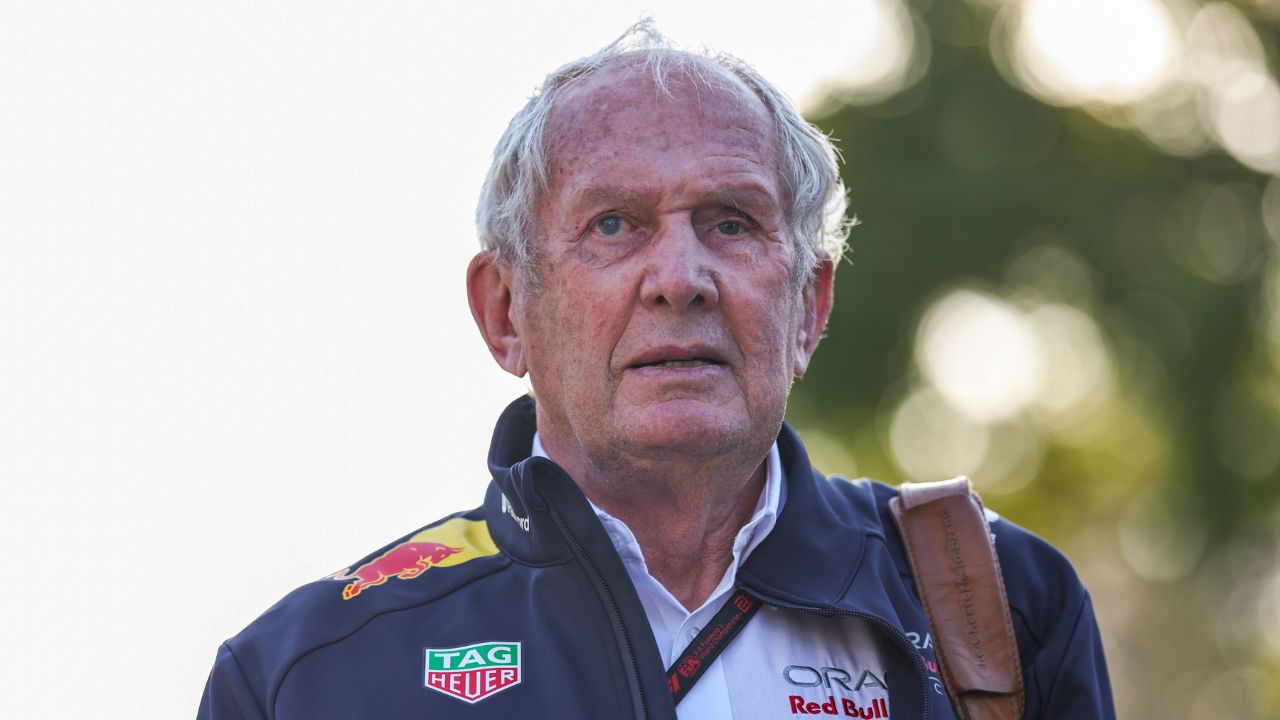
F1 is more popular than ever, and it might just be the reason that is bailing certain teams out in the sport, in spite of the financial chaos they might be enduring in their other ventures. It’s something Helmut Marko shed light on in a recent interview.
Marko seldom shares his opinions on the economy and how teams are doing business-wise. His controversial takes on drivers and bizarrely calling them out for things like ‘showing too much emotions’ are what have made him popular, or rather unpopular, among the F1 community.
Regardless, Austrian newspaper Kleine Zeitung asked the Red Bull advisor what he felt the implications of the falling European economy on F1 teams like Mercedes and upcoming outfits like Audi could be. Will the losses they endure in the automotive sector away from F1 make them consider leaving the sport?
Well, Marko doesn’t think so. And it has a lot to do with the budget cap F1 introduced in 2021. After years of excessive spending by F1’s biggest and wealthiest teams, which far exceeded that of smaller independent stables, the sport decided to introduce a budget cap. Initially set at $145 million, the limit now stands at $135 million.
Marko feels this—and the advent of Netflix’s Drive to Survive and social media boom—was what saved the likes of Mercedes.
“Due to the budget cap, a Formula 1 team has become a profitable business case. Most teams are earning money, and sponsors already come from completely different industries, not just the automotive industry,” he said.
Kleine Zeitung – Economically, the automotive sector in Europe is in crisis. Could Audi, which will launch in 2026, and Mercedes reconsider their Formula 1 involvement?
Helmut Marko: The economic situation is currently incredibly difficult, but due to the budget cap, a…
1/3
— Junaid #JB17 (@JunaidSamodien_) April 2, 2025
F1 has changed significantly since the days before the budget cap and Drive to Survive. Once a sport primarily enjoyed by old-school racing fans, it was dominated by the same big names each weekend, with few underdog stories and far less financial success for teams.
By 2024, all F1 teams reached a valuation of a billion dollars, driven by a surge in viewership and fan engagement. Drive to Survive played a key role in this growth, offering behind-the-scenes access to drivers and team principals, which added an entertainment factor and attracted a new audience.
“Popularity is growing, and the proportion of female fans is also steadily increasing,” Marko noted—a trend evident in the rising number of women attending races and engaging in discussions on social media.
About the author


-

Anirban Aly Mandal •
Jarno Trulli Cites Michael Schumacher’s ‘Triumphs’ as the Reason Why He Never Got to Race for Ferrari
-

Vidit Dhawan •
“That Is NOT a Coincidence”: Fans React as Carlos Sainz’s Girlfriend Rebecca and Ex Isa’s Paths Cross
-

Anirban Aly Mandal •
Esteban Ocon Reveals Physical Deformity Common Among F1 Drivers: “One of the Dark Sides of Driving”
-

Neha Dwivedi •
WATCH: Kurt Busch Turns Up in Austin as F1’s Lando Norris Drops New Monster Energy Flavor
-

Aishwary Gaonkar •
“Who the Hell Is This Guy?”: Zak Brown Recalls the Time Fans Ignored LA Lakers to Get His Autograph
-

Samnur Reza •
Which NFL Team Does F1 Champion Lando Norris Support?