


“He’s Going to Put On Weight”: Ex-Performance Coach Unveils Max Verstappen’s Post-Retirement Plans

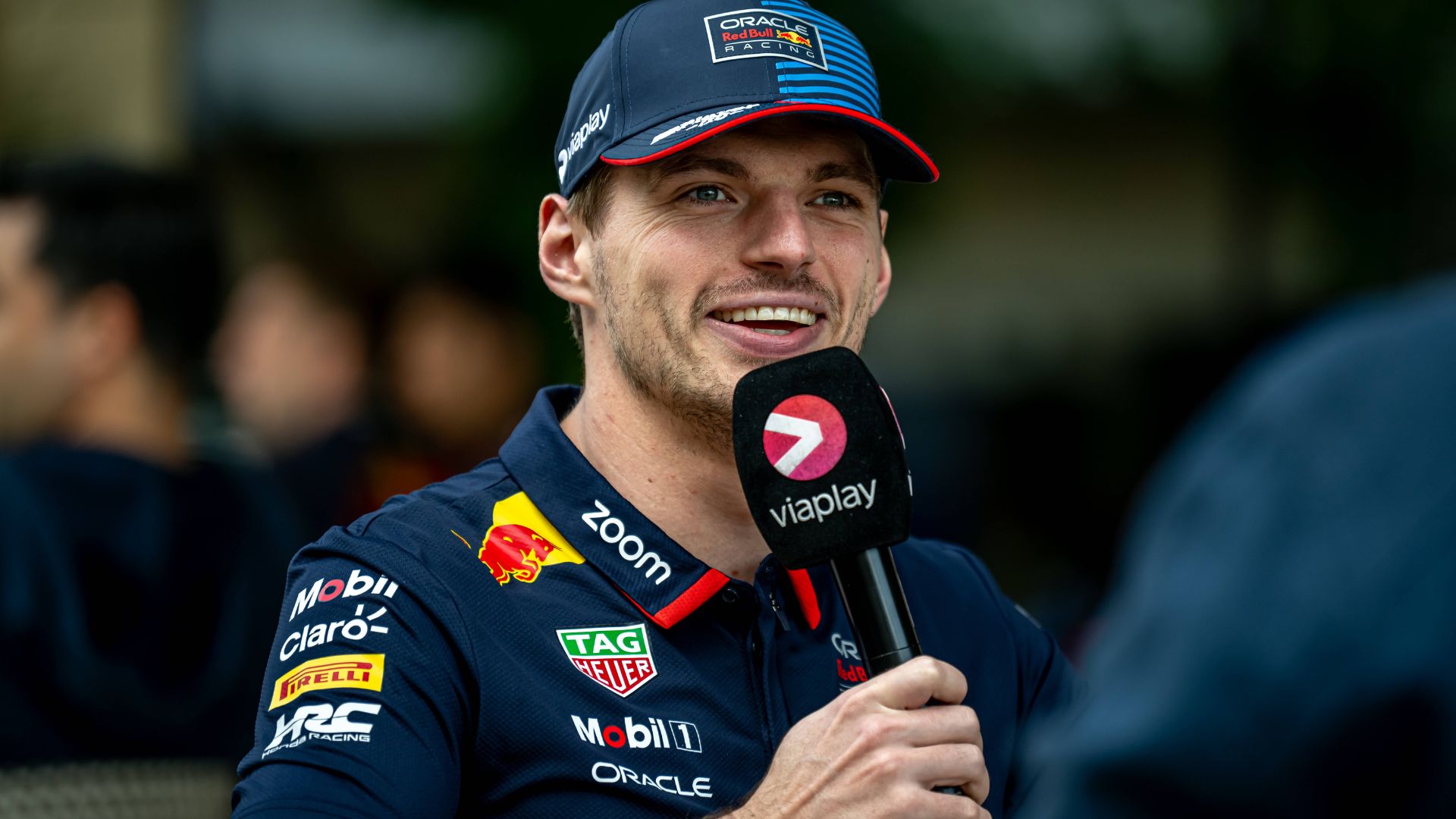
Many downplay F1 and don’t consider it a proper sport since drivers ‘just sit in the cockpit and steer a car around a circuit.’ Big talk from those who aren’t familiar with how the sport actually works.
In reality, the physical demands of driving an F1 car, which subjects drivers to multiple G-forces laterally, are grueling for the average human body.
To handle these massive G-forces while sitting in a single-seater car, just a few inches off the ground at 200 mph for 50-odd laps—even the fittest athletes would struggle! The fitness and diet regimen drivers like Max Verstappen follow can be frustrating due to the strict restrictions they must abide by to maintain peak conditions for a Grand Prix.
Verstappen’s former performance coach, Bradley Scanes recently shed light on an F1 driver’s nutrition and how they manage their diet and fitness levels across a 24-race season on the Business of Winning podcast.
He stated how “good proteins, good carbohydrates, lots of electrolytes for hydration” are crucial for any driver to maintain “efficient energy levels”.
Amid this discussion, the podcast host Mark Gallagher brought up an instance of David Coulthard telling him how the Scotsman was keenly looking forward to ending his racing career and getting off these strict diet plans. On hearing the same, Scanes highlighted how that is Verstappen‘s post-retirement wish as well.
“He talks about looking forward to finishing and being able to eat what he wants. I mean he knows he is going put on a bit of weight after racing,” Scanes said.
Currently, the four-time world champion is in great shape at 27. With the 2025 season around the corner, he must be busy preparing for intense physical training sessions. Scanes mentioned that pre-season training for all drivers involves a lot of physical exercises.
Once the season begins, the focus shifts to managing diet and fitness levels while prioritizing recovery, especially during double and triple headers.
The weight management for F1 drivers
The pre-season training is even more vital for one aspect: maintaining the minimum weight of 80 kg (176.3 lbs). For this, most of the training and heavy lifting (literally) needs to be done during the pre-season period of about one and a half months.
As Scanes said, after they get to the ideal weight during this period, it is all about maintaining it throughout 24 races. However, drivers do not get up to 80 kg always. This minimum weight limit also includes a driver’s racing gear and the seat.
Scanes gave an example of how they identify the ideal weight level for a driver, “If the seat weighs anywhere between 1.5 to two kilos and the kit weighs around four kilos potentially, a driver is maximum 74.5 kg if not needing to be lower.”
Now, this 80 kg limit has been increased for the 2025 season by two kilos. So, teams and fitness trainers will have to keep the 82 kg (180.8 lbs) number in mind to figure out the minimum weight limit for their drivers.
This means Verstappen and his peers can eat a bit more to gain these two kilos, which would certainly be a welcome change if it doesn’t come with a strict diet restraint.
About the author


-
Samriddhi Jaiswal •
Mercedes mocks Max Verstappen for the offense that cost him about $50,000
-
Tanish Chachra •
Robert Schwartzman F1: What’s The Role of F2 Driver in Ferrari 2023 Season?
-

Tanish Chachra •
“Max Verstappen is Like an Elephant”: Sao Paulo is a Reminder, Red Bull Star Won’t Forget What Sergio Perez Did in Austria
-
Anirban Aly Mandal •
Despite Its Legendary Status, Sergio Perez Advocates Removal of Imola From Calendar Amidst Horrible Result
-
Tanish Chachra •
“I’m excited to see in 2022 when it is a fresh start”– McLaren boss is hopeful with Daniel Ricciardo’s prospects in 2022 season with his foot established in team
-

Sabyasachi Biswas •
Max Verstappen Found an Insane Way To Pat Kelly Piquet’s Daughter