


“I Was…Almost Out of My Seat”: Dr. Andrew Huberman Unveils ‘One of the Most Important Discoveries’ in Neuroscience Surrounding Will Power

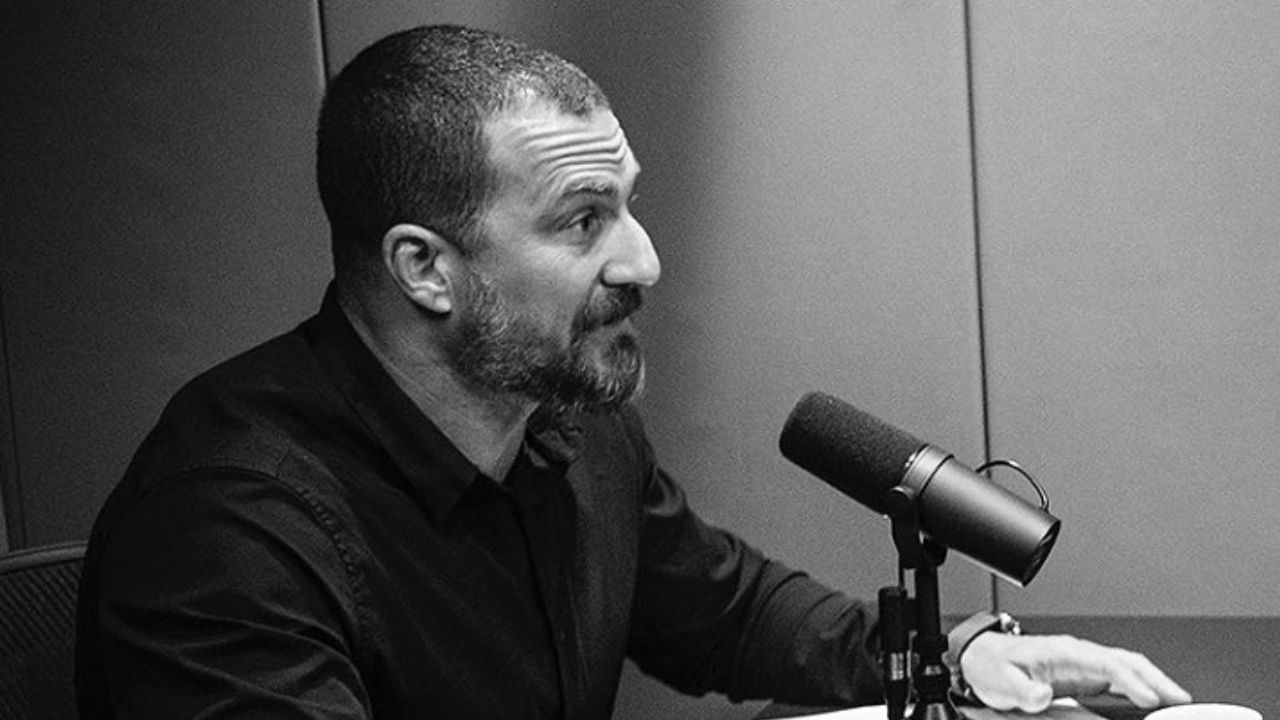
The brain and its workings are a mystery that scientists are still trying hard to understand. Amidst this, many discoveries have surprised the likes of neuroscientist Dr. Andrew Huberman. One in particular was about how willpower affected the anatomy of the brain.
In a recent podcast with endurance athlete and ex-Navy SEAL David Goggins, Dr. Huberman revealed one of the greatest discoveries that proved Goggins’ ideas surrounding willpower. Recent studies proved a major link between the shape of the brain and certain activities that people perform.
Elaborating on this study, the neuroscientist revealed that a certain part of the brain called the ‘anterior mid-cingulate cortex’ showed physical changes depending on what the human did. To be specific, Dr. Huberman revealed that the activities had to be something that the individuals did not wish to do.
“To me, this is one of the most important discoveries that neuroscience has ever made…”
For instance, if a person didn’t wish to exercise that day but pushed themselves to pursue the said activity, studies showed growth in the anterior mid-cingulate cortex. But this only happens if the individual performs a task that they didn’t want to.
“The anterior mid-cingulate cortex is smaller in obese people. It gets bigger when they diet. It’s larger in athletes. It’s especially large or grows larger in people that see themselves as challenged and overcome some challenge.”
On the contrary, when the individual performed the activity once, got a hit of the feel-good hormones, and tried doing the same task again willingly, the cortex shrunk. In fact, until the individual upped their difficulty or performed something else that they didn’t wish to, the cortex didn’t show growth.
“In many ways, scientists are starting to think of the anterior mid-cingulate cortex not just as one of the seats of willpower but perhaps actually the seat of the will to live…I was like almost out of my seat.”
Speaking to Goggins about this seemed appropriate since the athlete raves about how willpower could help one rise from the most challenging situations. Pushing through any activity that an individual had no will to do only leads to better outcomes. And Goggins knew all too well how it felt to wake up every day and hustle despite not wanting to.
From 300 lbs to a no-nonsense coach: David Goggins reveals his mindset to Dr. Andrew Huberman
Weight loss journeys are never easy, for the work and effort they demand require a lot of will and mental strength. David Goggins battled his weight-related issues when he weighed about 300 lbs. and decided to do something about it. No amount of soft self-talk helped, and he had to resort to a firmer inner voice.
View this post on Instagram
Goggins ended up losing about 100 lbs. within 3 months. And while people thought he was blessed with strong willpower, both Dr. Huberman and Goggins now have proof that mental strength and willpower need to be built by an individual.
About the author


-

Radha Iyer •
Bryan Johnson Unveils His $16 Longevity Diet to Help Him Live Up to 200 Years
-
Radha Iyer •
Andrew Huberman Reveals His Favourite Olympic Track and Field Feature
-

Radha Iyer •
Gary Brecka Reveals Steps to Improve One’s Circadian Rhythm
-

Radha Iyer •
‘Biohacker’ Gary Brecka Unveils the Ultimate Biostack for a Successful Morning Routine
-

Radha Iyer •
“Don’t Die Is a Now a Professional Sport”: Bryan Johnson Steps Into ‘Rejuvenation Olympics’ for Health Benefits
-

Radha Iyer •
Longevity Fanatic Bryan Johnson Reveals His Custom Blueprint Stack