


Kolpak Rule : Explained and Examined

Can a player come back and play for his birth country?
Yes, but only after his county contract is terminated. Jacques Rudolph from South Africa signed a Kolpak deal with Yorkshire from 2007-2010 and he played for South Africa again in 2011.
Can a Kolpak player play for England then?
Such players over 18 do not qualify for the England team till they have played 7 years for a county and have gained England citizenship. Before 2012 the restriction was 4 years only.
How does so many players not born in England play for England then?
Although players like Kevin Pietersen and Jonathan Trott played for England, but that was because one of their parents or grandparents was England citizen. That did not have to do with any Kolpak deal.
Will Brexit affect Kolpak?
Once Britain leaves the EU, most likely the Kolpak deals will not be possible. This has led to the increase in the number of Kolpak deals in the past few months before Brexit is actually implemented.
Also Read : Top 5 MS Dhoni Moments
What do the players gain from it?
Money! The SA domestic circle pays much less than what players will earn at the County. And this gap is expected to rise further.
But why would a player of the SA international team leave Test cricket?
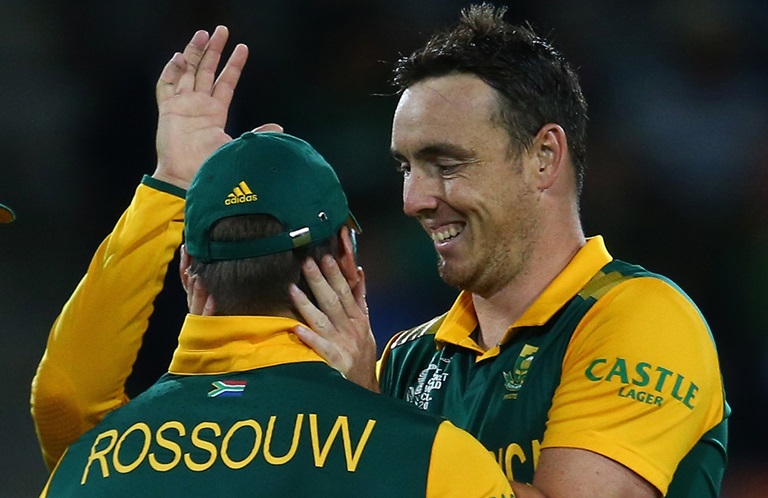
South African cricket interestingly has a quota system. In September, Cricket SA announced that on an average, only 5 white players can be chosen in the eleven. This translates to the fact that white players like Kyle Abbott and Rilee Rossouw, may not get many to play for South Africa. So they take the Kolpak way.
What’s in it for the county sides?
Imagine Chris Gayle playing for the RCB side without being counted as an overseas player. So basically, county sides get good quality players from abroad however, they are fielded as domestic players. County cricket has a restriction of only 1 overseas player.
Are there any negatives?
Plenty! For South Africa it means draining of talent. The good players sign such deals and leave the national side for money. For England too it means that fresher talent will have a tough time getting chances at the top level.
About the author


-
Dixit Bhargav •
Why Virat Kohli is not playing today 1st ODI vs Zimbabwe in Harare: Virat Kohli records vs Zimbabwe ODIs
-
Dixit Bhargav •
Ashes 2019 Venues: Where will 2019 Ashes Tests be played?
-

Gurpreet Singh •
Best ODI averages: R van der Dussen ODI average and best ODI batting average
-

Dixit Bhargav •
Dasun Shanaka PSL team: Is Dasun Shanaka in PSL 8 squads players list?
-
Rishikesh Sharma •
Sports 18 Channel number in Airtel DTH and Jio DTH: How to watch Sports 18 on TV in India?
-
Gautam Kapoor •
NZ vs IND Dream11 Prediction : New Zealand Vs India Best Dream 11 Team for Third T20