


Christopher Bell Explains How Sim Racing Helps NASCAR Drivers Amid Rising On-Track Costs

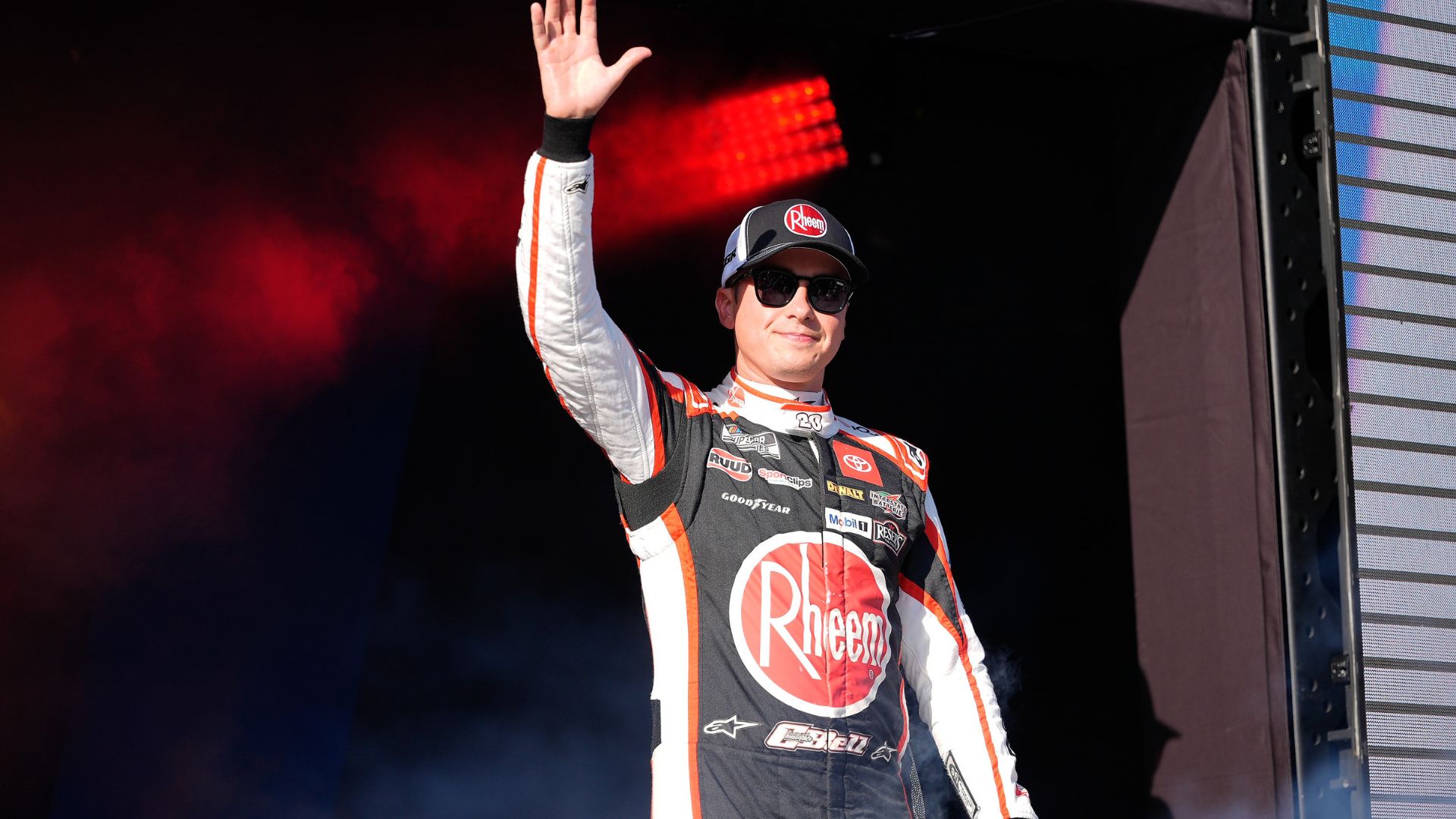
Sim-racing today plays a huge role in keeping drivers sharp when there’s a lack of opportunity to hit the track physically. Christopher Bell became the latest in NASCAR to highlight that point, joining a multitude of stars from the world of motorsports.
NASCAR trimmed practice from three 50-minute sessions to two per weekend in 2020. Then, the pandemic struck, wiping out practice and qualifying for most of 2020 and 2021. By 2022, the sanctioning body introduced a single 20-minute practice session per race weekend, a shift that pushed drivers to lean heavily on simulators to stay race-ready.
Bell, on an episode of SpeedFreaks, noted that sim work now lays the foundation for each race weekend. With less time on track, it has become a tool drivers use pretty much all the time. While names like Rajah Caruth and William Byron climbed the ladder through sim racing alone, Bell blended that virtual experience with weekends in go-karts and dirt cars, gaining a broader base.
“I was racing on the weekends, and then during the week, it was just more reps,” Bell said. “And as a race car driver, like we don’t have the luxury of just going to a track and making laps. Like it’s super expensive, whether it is just a go-kart, or I mean, probably go-karts are the most cheapest form of practice, but it still takes a lot more money compared to football, where you can go outside and toss it around, or go shoot hoops, playing basketball.”
“Like practice is just hard, it’s time-consuming, and it’s expensive in our industry. So, for me, and I’m sure that every sim racer, it’s a cheap alternative that keeps you in the seat and you’re not getting that feel that you have in the race car, but you’re still getting the visuals. And you’re still getting that racing IQ, uh, even if you’re racing online,” the Joe Gibbs Racing river added,
NASCAR adopted the 20-minute practice limit to simplify operations. Shorter sessions allow inspectors to check cars before track time, restrict the changes teams can make, and let officials impound the cars after qualifying, eliminating another inspection cycle. By capping adjustments, NASCAR also reduces the need for extra mechanics on the road, saving teams money on staffing and travel.
Many drivers still argue for longer practice windows, while others insist Cup veterans should be sharp enough to adapt without much track time. Either way, with simulators filling the gap, the path may be opening wider for sim racers to carve their way into NASCAR.
About the author


-
Srijan Mandal •
“I Was Screaming My Head Off”: NASCAR Fans Revel in Nostalgia as Memorable Tony Stewart Footage Resurfaces
-

Neha Dwivedi •
“I’m Hearing Through the Grapevine”: Kenny Wallace Fuels Rumors of Next NASCAR Format
-
Srijan Mandal •
“Shocking to Say the Least”: NASCAR Insider Claims Kyle Larson’s Driving Style Came Back to Bite Him at Texas
-

Gowtham Ramalingam •
Dale Earnhardt Jr.’s Wife Amy Teases Husband, Heartwarming Response Later Shows True Relationship Goals
-
Gowtham Ramalingam •
Why Do NASCAR Cars Have Plastic Wraps on Their Windshields? Exploring How Tear-Offs Aid Drivers During Races
-
Srijan Mandal •
“I’m Biased, I Get It”: Dale Earnhardt Jr. Open to Major Changes on NASCAR Schedule, Supports Canada Move