NASCAR has decided to experiment with its rules package, taking a short-track approach at intermediate ovals, and Darlington Raceway found itself on that list. The changes cut downforce and put the onus back on the driver, trimming the rear spoiler to three inches, simplifying the diffuser with fewer strakes, and dialing back underbody downforce, all while raising horsepower, all aiming to promote better racing.
Advertisement
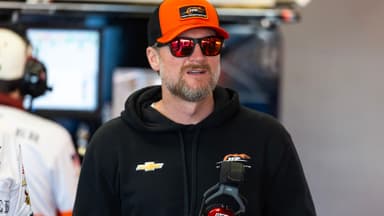
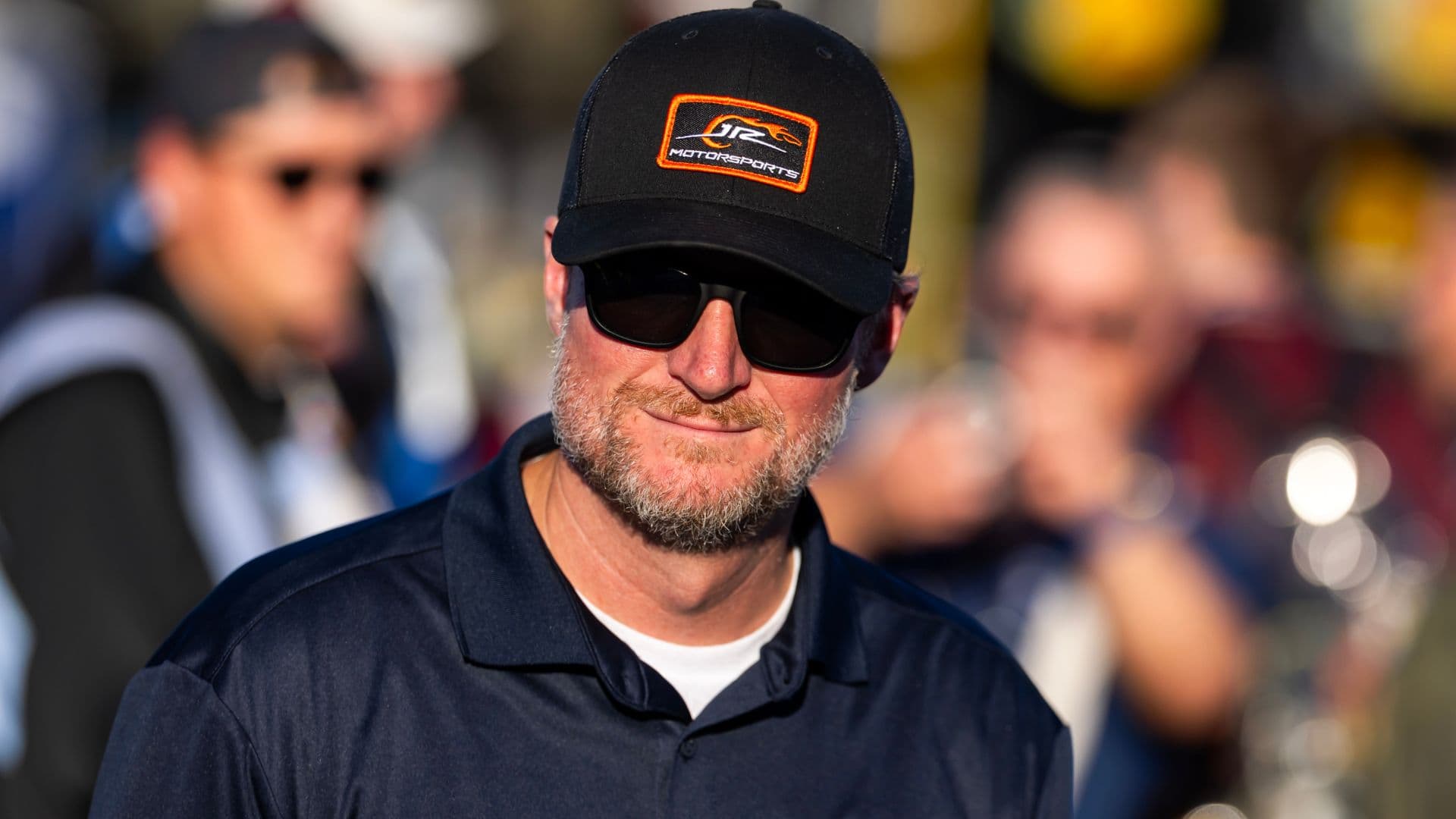
As a result, drivers anticipated four seconds of tire falloff before last Sunday’s race. Although that was not the case during the race, Dale Earnhardt Jr. still sees NASCAR’s path worth following. The package didn’t produce anything wild or revolutionary. But it also didn’t make the racing worse. And for him, that’s enough to justify continuing in this direction.
He argued that stock cars aren’t supposed to behave like sports cars. They shouldn’t rely on fancy aerodynamic tricks and should be hard to control. Thus, he asserted, “I was good with it. I’m fine with it. I think they can move forward with this. It didn’t do anything bad. It didn’t produce anything extraordinary, but I think it’s Darlington.”
“And so, they should continue to go in that direction. I’m a believer in that,” he continued on the latest episode of his podcast, The Dale Jr. Download. With the changes to Darlington’s aero package this year, drivers had to manage their tires more.
Some took it easy early in a run, saving their tires so they could attack later. Others pushed harder and fell off during longer stints. Over time, that split approach shuffled the order and promoted a mixed-up field, ultimately promoting overtakes.
Many drivers anticipated a drastic tire falloff. The drop came, just not in the way or at the extreme scale they predicted. Junior explained that as tires wear down, they lay rubber onto the track. And because there were multiple series racing that weekend, the track was rubbered in quite a bit. That extra rubber actually helps the tires grip better, reducing the extreme falloff people were hoping for and balancing out the conditions.
“I feel like I watched a traditional Darlington race that I would tune in again next year and hope to see something similar,” added Junior. Several rivers echoed Junior’s assessment as well. Denny Hamlin, who came home P11, noted that the race carried a familiar tempo, with cars working their way from the back toward the front, something he saw at Las Vegas, one of the Next Gen car’s best tracks.
Ryan Blaney took it a step further, saying the package brought a level of fun because he could see the tire life bringing momentum. He could see runs building, cars on fresher rubber closing in and making moves. It even led him to try a different trick on a restart, letting cars go and betting he would reel them in over the next stretch. The call paid off, and he drove back through the field to finish P3.