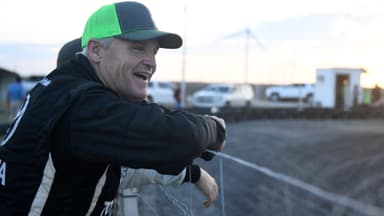
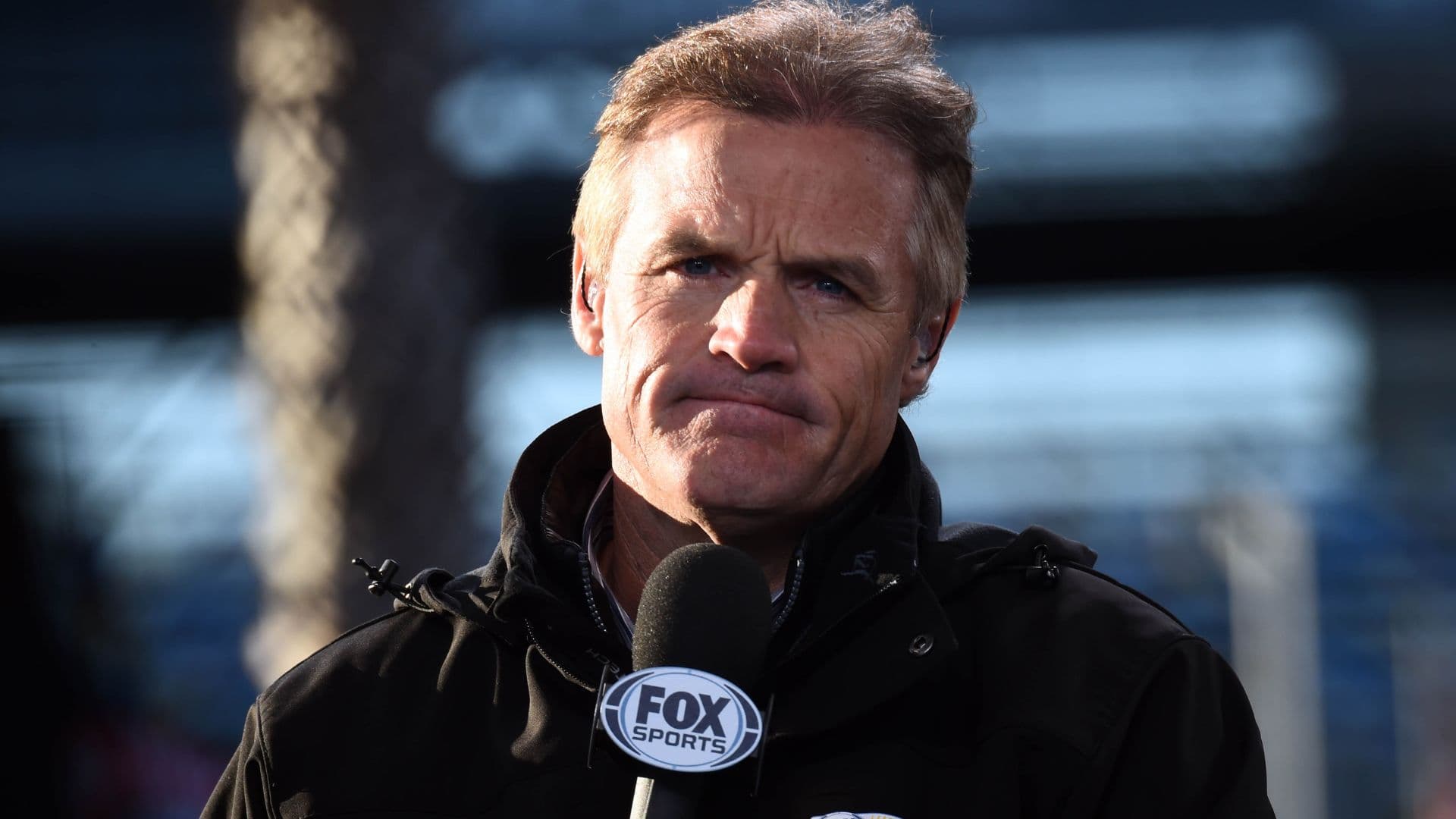
The antitrust showdown between NASCAR, 23XI, and Front Row has been challenging for the entire ecosystem. It has rattled not only the sanctioning body and the two teams that filed the suit, but everyone with a stake in the sport’s future. Kenny Wallace, who has watched the garage evolve through multiple eras, admits he can already see the storm clouds gathering. He spoke about how the backstage turmoil has escalated, without hiding how much the sport’s current state pains him.
Advertisement
Wallace reflected on the shifting terrain and confessed that the lawsuit involving Michael Jordan and Denny Hamlin suing NASCAR leaves him uncomfortable and embarrassed. He contrasted today’s fractured environment with the era he grew up in, when Bill France Jr. ran the sport with an iron grip.
Wallace described France as a “dictator” whom drivers both feared and respected. His firm hand kept the garage aligned. In Wallace’s eyes, that blunt leadership style, for all its flaws, created a stability that today’s regime lacks.
As the former driver put on his YouTube channel, “And I love NASCAR. And it hurts my heart to see this new regime. I was ruled.”
Wallace recalled how he matured under France’s authority, knowing exactly where he stood. That clarity, he argued, has disappeared. Drivers and owners once looked the boss in the eye and heard the truth straight from the source.
Wallace painted the picture, saying how France once had a beer in one hand, a cigarette in the other, and told him, “Wallace, you’re in trouble, boy.” Now, Wallace said, the leadership prefers to “talk behind your back,” a transition he believes erodes trust inside the garage.
Wallace’s frustration sharpened as he addressed disparaging remarks made by some executives about Richard Childress, a man who has spent more than 6 decades as both a driver and team owner.
Wallace found the disrespect jarring, given Childress’s longevity and contributions to the sport. For Wallace, it accentuated how disconnected the leadership has become from the competitors who built NASCAR’s foundation. He also recognizes why teams and drivers are demanding more respect and a fairer stake in the business. As Jordan noted on the stand, drivers shoulder the highest risk, strapping into 3,400-pound stock cars at 180 mph on superspeedways, with closing speeds past 200 mph.
Wallace understands why today’s competitors want a partnership model rather than a command-and-control structure. Yet even with that understanding, Wallace’s own emotions remain tangled. He has repeatedly said he hates seeing NASCAR dragged into court. He believes the lawsuit is bad for the sport’s image and potentially damaging to its future.
But Wallace also knows that, as a realist, he knows there’s no stopping it now.