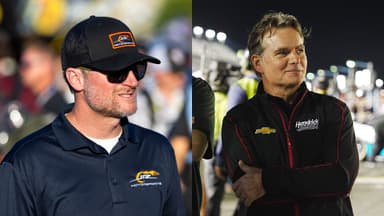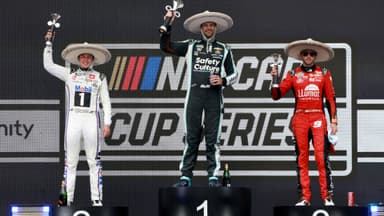
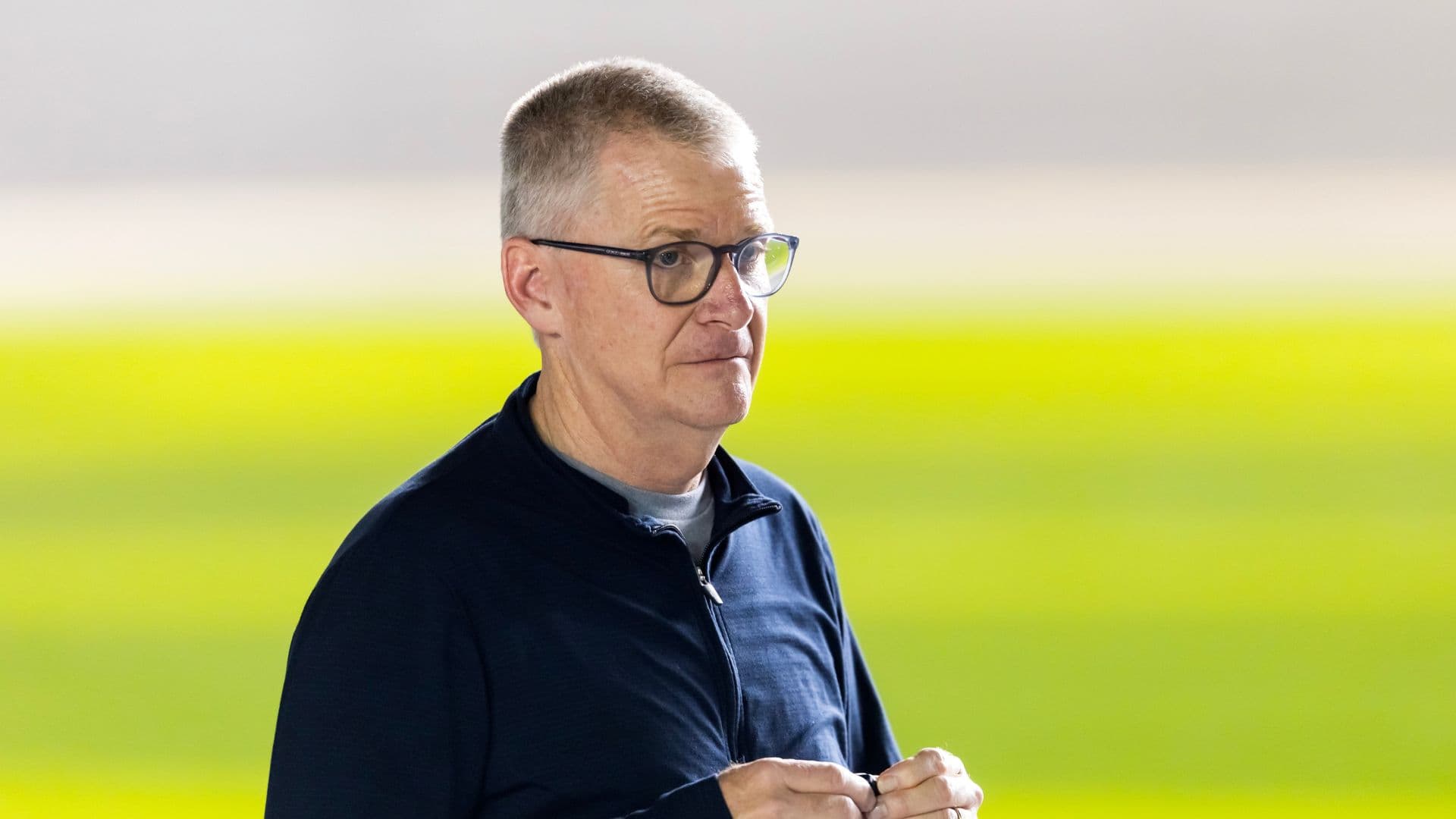
Packed grandstands, fans planning their entire weekends around race broadcasts, scanner radios crackling with team chatter — these are long bygone elements of NASCAR, which has sadly seen its audience thin out since the early 2000s. That era of all-consuming fandom has faded, and the sport has spent years dealing with the reality that the same level of devotion no longer comes naturally. But now the sanctioning body seems to be adjusting course, and Jeff Burton believes that this deserves recognition.
Advertisement
NASCAR has been taking stock of where it lost touch and placing renewed emphasis on listening to the people who form its backbone. Burton, as a result, has urged fans to give NASCAR the space to correct the missteps that drove many away.
Appearing on Kenny Wallace’s show, Burton framed the time as a crossroads for the fan base, saying, “They really made some decisions they thought were best for you, and they were wrong. Yeah. So they’re righting the ship. They’re righting it.
“And you can choose to stay mad at it. Like that’s your choice. And if that’s the direction you go, then that’s the direction you go. I don’t think anyone should tell you how you should think or how you should feel or what you should do. I would ask you that you give NASCAR a second chance.”
Burton followed that by stressing that fans were not shouting into the void. “And to appreciate that they ultimately did make some decisions, that your voice was heard, and come check a race out. The racing, regardless of what you’re eating and regardless of what people are telling you, the racing is pretty damn good… So don’t shut it out and say, these guys aren’t as good. I hear this all the time, man. These guys aren’t as good as y’all were. Bullsh*t.”
“I’d ask you to give #NASCAR a 2nd chance”@JeffBurton to fans on @Kenny_Wallace Conversations
Full show: https://t.co/lIq4qakKW8 pic.twitter.com/WqFCeI4SL8
— Kenny Wallace Media (@KWallaceShow) January 23, 2026
For years, fans have expressed frustration with the championship structure, arguing that the system fails to reward season-long excellence and often fails to crown a champion in a way that feels earned. The charter system fueled further resentment, even if it did not directly affect the on-track product, because it raised uncomfortable questions about transparency and priorities.
And then, those concerns intensified during the antitrust lawsuit, particularly after text messages involving NASCAR officials and Richard Childress surfaced, further eroding trust and feeding the belief that the sport had drifted from its roots.
Burton recognized that frustration, but he also stressed that changes do not happen overnight. NASCAR has begun addressing issues step by step. Officials moved to settle the antitrust lawsuit, signaling a desire to turn the page. They followed that approach by dismissing Steve Phelps after his comments involving Childress, to show the accountability at the executive level.
At the competition level, NASCAR acted on repeated fan feedback by reintroducing the Chase format. Adjustments also came to the cars themselves, including increased horsepower on short tracks, with further changes still under evaluation.
From Burton’s vantage point, the product itself has quietly improved. The intermediate tracks have delivered some of the strongest mile-and-a-half racing in recent memory. Late in the season, Goodyear’s tire development produced better wear characteristics, opening the door for strategy and driver skill to matter again. Short-track racing also showed tangible progress as rule changes and car adjustments began to pay dividends.
Burton sees a sport attempting to reconnect, acknowledging where it stumbled and has begun making deliberate corrections, not with grand promises but through incremental action aimed at restoring credibility and competitiveness.