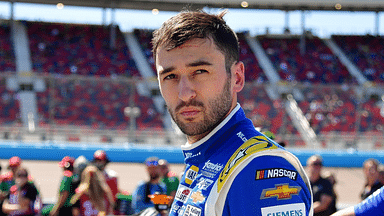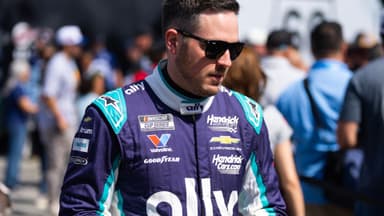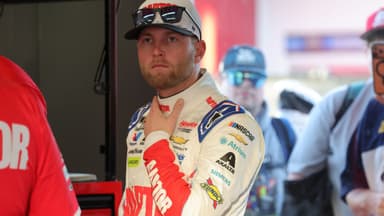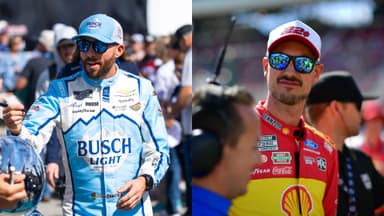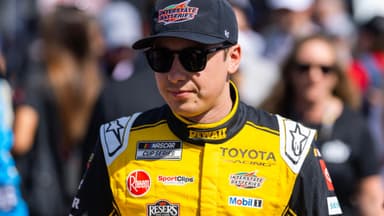
NASCAR introduced its Driver Ambassador Program in 2025 with a clear objective to give drivers real motivation to invest time and energy into promoting the sport beyond the racetrack. The initiative encourages involvement in charitable efforts, community outreach, and public appearances, offering structure and incentive where goodwill alone often competed with packed schedules.
Advertisement
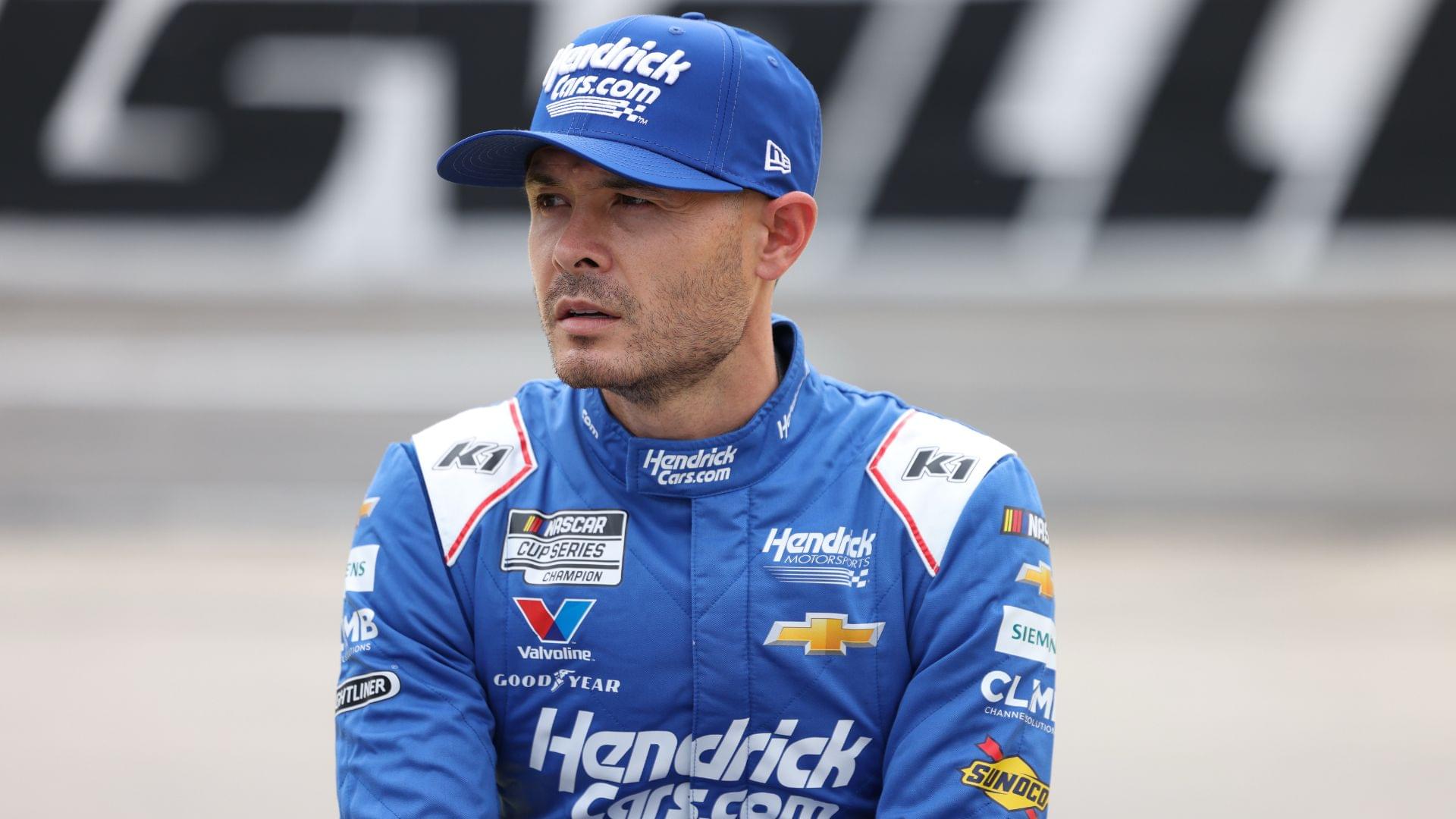
In its first season, Joey Logano emerged atop the first-term Driver Ambassador Program standings and collected a $1 million reward for his contributions. Several drivers, including Kyle Larson, have embraced the program not only for the financial upside but also for the opportunity to expand the sport’s reach and elevate the drivers’ presence in the public sphere.
The framework rewards time spent on promotional activity outside standard media responsibilities. Drivers earn points for interviews, appearances, and engagement both at and away from the track. Each fifteen-minute segment adds to a running total, which then receives a multiplier tied to the driver’s individual profile.
The higher the visibility, the greater the multiplier, creating a system that blends effort with influence. When the season concludes, the driver who leads the standings claims the largest share of the Driver Ambassador Program fund, while others receive payouts proportional to their scores.
The drivers have described the setup as mutually beneficial, aligning personal incentives with the sport’s broader interests. Larson echoed that sentiment while reflecting on the first year of the initiative.
“I would say the NASCAR’s new DAP program that you mentioned was really cool this year. It got us all out doing way more things than we ever would have. Because we actually felt like we were making an impact on the sport.”
“So, yeah, that was good. And yeah, we got to just speaking for myself and seeing what others had done, you we got to do a lot of fun things, going to cool sporting events, getting on shows and meeting different celebrities and just being out in the public eye a lot more,” he continued.
Larson acknowledged that the long-term effects may take time to surface, but remained confident that the program delivered value in its first season. He described the experience as positive and said he is eager to remain involved as the initiative continues to evolve.
Besides Larson, Ross Chastain and Joey Logano also showed support for the program
Ross Chastain and Logano both voiced approval, highlighting different aspects of its design. Speaking during the Atlanta media briefing, Chastain discussed the initiative’s competitive structure and how it aligns with a driver’s natural instincts. He explained that the points-based format appeals directly to racers.
Competition motivates participation, and the opportunity to invest in oneself carries clear appeal. Chastain said he approached the program with that mindset, viewing it as a chance to promote his own brand, something he believes has consistently paid dividends throughout his career.
He also pointed out the practical challenge drivers face. While promotion matters, racing remains the priority. The program, he said, rewards drivers for doing what they already understand is important, but time remains finite, and balancing commitments requires deliberate effort.
Logano shared a similar view, crediting NASCAR for creating a platform that enables drivers to make a broader impact than they could on their own. He stressed the importance of respecting time and effort, noting that no one should be expected to work without compensation.
Every appearance or appearance-related commitment, he explained, replaces something else on the calendar. From his perspective, providing incentives to encourage participation acknowledges that reality and creates a fair exchange rather than an obligation.