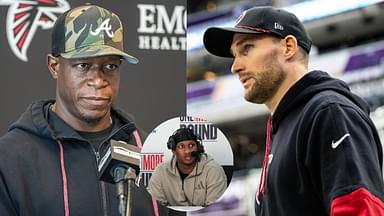
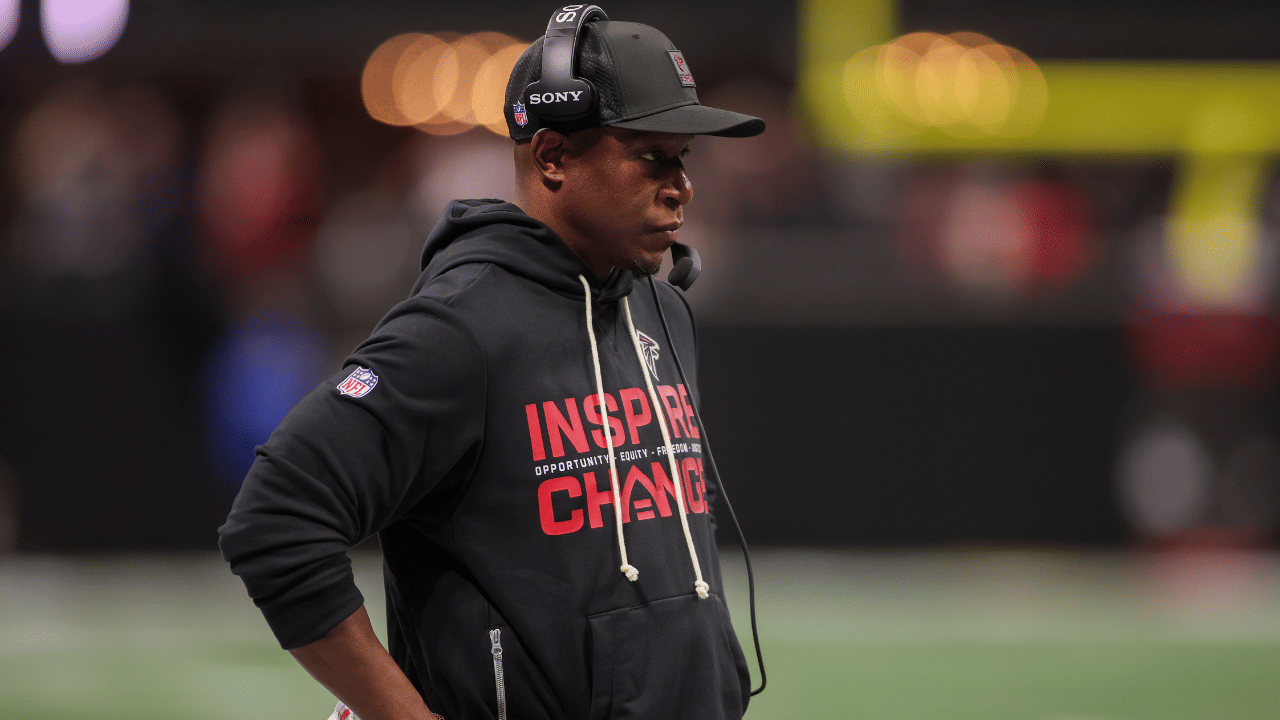
The Atlanta Falcons hit reset on Sunday, firing head coach Raheem Morris and general manager Terry Fontenot despite closing the season with a win over the Saints. It was a clean sweep at the top, and an unmistakable signal from owner Arthur Blank that eight-win purgatory is no longer acceptable in Atlanta.
Advertisement
Morris’ second stint never rose above competence. Back-to-back 8–9 seasons mirrored much of the Falcons’ post–Super Bowl reality: competitive enough to stay relevant, but never good enough to matter. Combined with Fontenot’s 37–48 record and zero playoff appearances since 2017, the organization reached a point where “almost” was no longer defensible.
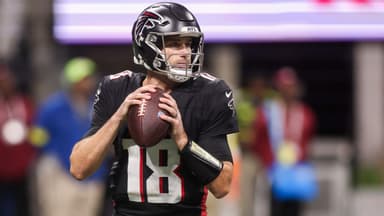
This reset comes after years of mixed messaging. Atlanta handed Kirk Cousins a four-year, $180 million contract in 2024, then stunned the league by drafting Michael Penix Jr. eighth overall. Cousins struggled coming off an Achilles tear, Penix flashed but tore his ACL in Week 11, his third major knee injury, and Cousins finished the year with four straight wins that proved meaningless in the standings.
The roster itself isn’t barren: Bijan Robinson is a star, Drake London is a true No. 1 receiver, and first-round edge rushers Jalon Walker and James Pearce Jr. helped juice a previously anemic pass rush. But with no first-round pick in 2026 and a quarterback situation that’s unsettled at best, Atlanta is clearly at a crossroads.
That’s what makes the coaching search so fascinating, and why Philip Rivers’ name could be one that is tossed in the hat.
According to Ian Rapoport, Rivers could receive head coaching interest as soon as this offseason. On the surface, it sounds unconventional. Rivers has no NFL coaching résumé, and his post-retirement reputation has largely been shaped by his brief return as a player and his work away from the league. But the idea fits a growing trend in today’s NFL: younger, modern leaders with deep quarterback DNA.
After making a brief return as a player, Philip Rivers could receive head coach interest this offseason, per @RapSheet. pic.twitter.com/qONhfDWKvX
— NFL Network (@nflnetwork) January 4, 2026
The league’s recent success stories skew younger than ever. Coaches between roughly 35 and 50 years old now dominate the conversation, not as placeholders but as tone-setters. Mike Macdonald has emerged as one of the sharpest defensive minds in football. Mike Vrabel, still under 50, continues to be viewed as a culture-builder who maximizes rosters without elite quarterbacks. Even offensive-minded hires across the league have followed the same logic: adaptability, communication, and schematic flexibility over decades-old systems.
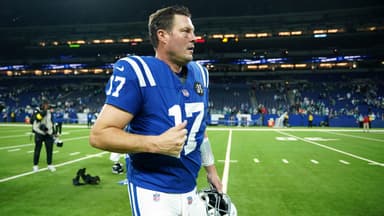
Rivers checks more boxes than critics might want to admit. He played 17 NFL seasons, started 240 consecutive games, and spent nearly two decades mastering protections, pre-snap adjustments, and weekly game-planning at the highest level. Not to Quarterbacks who make the leap to coaching often bring an innate understanding of locker-room dynamics and offensive structure that coordinators take years to develop. Rivers was, by all accounts, obsessive about preparation and accountability, traits that matter even more for a young quarterback like Penix, should Atlanta continue down that path.
The obvious concern is experience. Head coaching is not just about Xs and Os; it’s about staff-building, game management, and navigating an organization under pressure. Rivers would need a strong, seasoned staff around him, particularly on defense and in analytics-driven game situations. But that’s true of almost any first-time head coach, and the modern NFL has shown that leadership and vision can outweigh a thin résumé if the infrastructure is right.
There’s also context to Atlanta’s recent missteps. Arthur Blank chose Morris over Bill Belichick, an eight-time Super Bowl champion, betting on continuity and culture instead of pedigree. That gamble failed. Hiring Rivers would be another swing, but it would be a fundamentally different one. Less about recycling familiarity and more about aligning with where the league is headed.
The Falcons don’t need a caretaker. They need someone who can grow with the roster, stabilize the quarterback room, and define an identity that’s been missing for nearly a decade. Rivers, at 44, fits squarely into the NFL’s emerging coaching age bracket and brings instant credibility to an offense that has talent but no direction. Whether Atlanta is bold enough to try it is the real question.