


Tom Brady Notes How Mental Therapy Helped Him Become a Better Football Player

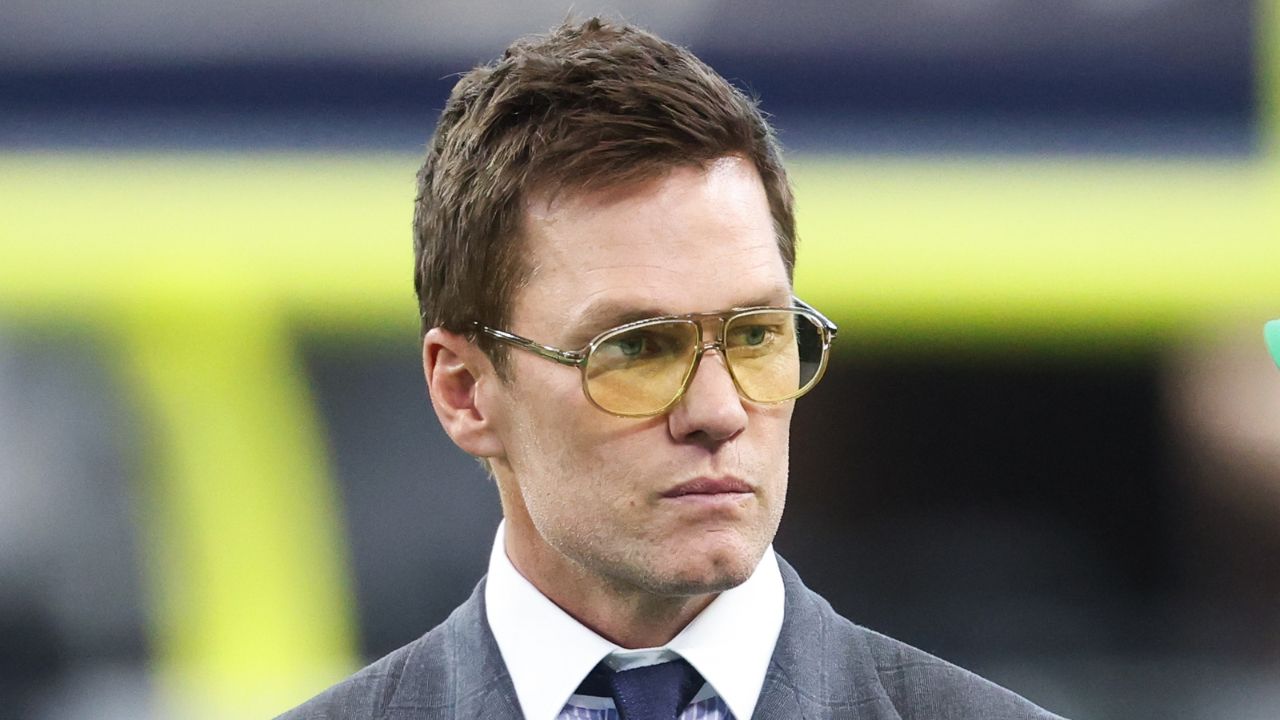
Tom Brady and the lore around him have never hidden the fact that he wasn’t built like an NFL superstar. He wasn’t the strongest arm in Michigan, wasn’t the most athletic quarterback in his division, and certainly wasn’t the type of prospect scouts fought over.
From running a below-average 40 at the Combine to being drafted 199th overall, Brady entered the NFL as the opposite of a physical prototype. Yet, he left the league as the most decorated football player ever. According to Brady himself, this stunning turnaround happened because he trained the one muscle nobody measures on draft day or the Combine: his mind.
And in the latest edition of his 199 newsletter, he revealed how much of that growth came through therapy, perspective shifting, and emotional work that reshaped how he handled adversity.
Brady explained that emotional resilience isn’t really about being stoic or tough, as many would assume. In fact, it is about creating what author Stephen Covey called “the space between stimulus and response.”
“To be emotionally resilient,” Brady wrote, “you need to guard the space… it gives you time to feel whatever emotions are triggered by an adverse event, while also creating the distance necessary to observe them without judgment.”
Understandably, the ability to be calm and composed wasn’t innate for him. It was built, and therapy, he said, was one of the most important tools.
“We lean on teachers for education, coaches for sports, nutritionists for diet, trainers for fitness, mentors for work — why would we not lean on therapists for understanding ourselves and managing our emotions better?” Brady said, calling therapists “emotional coaches” uniquely suited to help people change how they see themselves.
A central part of that work was perspective shifting, or what professionals call cognitive reframing. As the seven-time Super Bowl winner described it, people often believe that failure reflects who they are, rather than seeing it as just another experience in life.
“People think that because they failed, they are failures,” the Patriots legend wrote. But therapy helped him flip that script: failure and loss became “a chance to learn… so you can grow and meet even bigger challenges in the future.”
Interestingly, this shift mirrors what Brady credited in Part 2 of his ‘Resilience’ series as the cornerstone of his football career: understanding that if the world can break your spirit, nothing else matters. So in a way, therapy, journaling, mindfulness, and coaching all taught him how to prevent that break.
As the Patriots legend put it, journaling helped him “trap emotions on the page,” while therapy helped him dismantle unconscious thinking patterns that once sent him into “mini-spirals” early in his Michigan days.
By reframing adversity instead of fearing it, Brady was able to build the mindset that allowed him to withstand everything from losing his starting job in college (QB7) to climbing out of a sixth-round label to leading fourth-quarter Super Bowl comebacks. Emotional resilience over time became a competitive edge and USP for Tom Brady.
In many ways, Brady’s latest newsletter is arguably one of the powerful editions he has ever written, for it strips away the mythology around his greatness and explains it simply: Tom Brady got better at football because he got better at understanding himself. And that work happened off the field, not on it.
About the author


-
Arth Chandra •
“I’ll throw it to whoever the f**k I want!”: Tom Brady Made Sure Mike Vrabel Never Called For The Ball Ever Again
-

Suresh Menon •
Patrick Mahomes to Joe Burrow; Michael Penix Jr. Rolls Out His List of Top 5 Quarterbacks in the NFL
-

Reese Patanjo •
Dan Orlovsky Likens This NFL-Bound College QB to Bo Nix, Calls Him “The Steal of the Draft”
-

Ashish Priyadarshi •
“I’m Going To F**k You Up Because Of That”: Tom Brady Delivers A Stern Warning To The Mystery Team That Passed On Him On LeBron James’ The Shop Episode
-
Arjun Sukumaran •
Mesmerized by Patrick Mahomes, Die-hard Tom Brady Fan Magic Johnson Once Rooted Against His Favorite Star During Super Bowl LV
-
Mrinal Kuniyal •
Sterling Sharpe Jokes His Brother Shannon Used to “Cheat” But They Never Had a “Fight”