


2026 F1 Regulations Explained: Saying Goodbye to Venturi Floors and What It Means

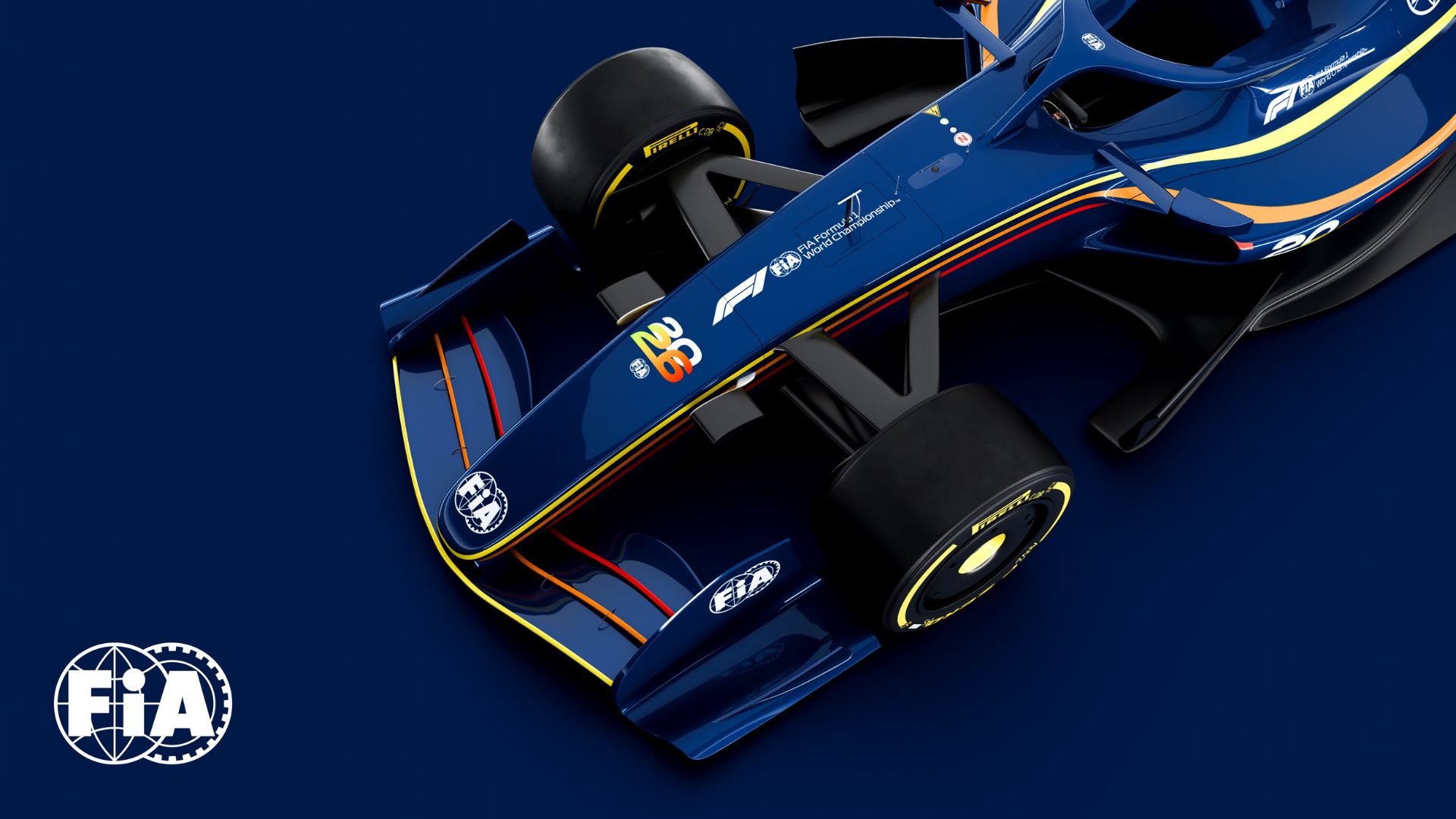
FIA’s revelation of the 2026 regulation changes has been met with a lot of excitement, and at times some confusion. Common belief within the community is that the ground-effect era is coming to an end, but as explained by an expert, there are minor alterations to it, most of it involving ‘Venturi Tunnels’ on the floor.
Dr. Obbs, an X account that gives technical insight into the world of motorsports, points out that the ground-effect regulations aren’t going anywhere. To explain, a picture of the floors of the 2005 and 2023 cars were put up side by side. “One thing to clarify is that BOTH of these are ground effect floors,” he stated. “They both generate suction from squeezing air between the floor and the ground.”
I’ve seen a lot of posts about ground effect etc, so I thought this good post from @FDataAnalysis shows the difference in typical flat bottom vs. Venturi style floors. One thing to clarify is that BOTH of these are ground effect floors. They both generate suction from squeezing… https://t.co/7gpRQZxIcV
— Dr Obbs (@dr_obbs) June 6, 2024
The difference between the two lies in the fact that the 2023 cars (and current ones) used a Venturi Tunnel. These tunnels produced a significant amount of downforce, helping the teams out on that front.
In the FiA video on YT you can see an interesting throwback feature to the old Hammer Head extended floor element from the older generation of F1 cars. The aerodynamics around these historically were super cool. I’m sure @ScarbsTech remembers these!
This new inwashing outer… pic.twitter.com/eIK3FJE4fn
— Dr Obbs (@dr_obbs) June 6, 2024
From 2026 onwards, however, the engineers will have to say goodbye to the Venturi Tunnels. F1 reverts to a flat floor, like the ones used in the past, and it will lead to lesser downforce. For drivers who prefer driving with lesser downforce, this news will be a treat.
2026 F1 cars to have significantly lesser downforce
F1 cars will undergo radical changes in 2026, with most of them being centered around the power unit. However, the aforementioned aero changes (with the removal of venturi floors) could see a shakeup in the grid order.
With lesser downforce, teams will have to be smart about how they approach races. Plus, the changes to the power unit could make engines the deciding factor in F1 once again, after years.
In 2014, when the turbo-hybrid engines first came into effect, Mercedes kickstarted an era of domination that lasted for eight years. Adrian Newey, who is currently the Chief Technical Officer at Red Bull and will soon move to Ferrari, feels that the 2026 regulations will favor the Silver Arrows once again.
In the coming months, however, teams will get a better idea of what these regulations will bring. Whether it brings the field closer, or leads to yet another era of dominance, remains to be seen.
About the author


-

Veerendra Vikram Singh •
“He’s Still Doing It”: Damon Hill Pulls the 2021 Card on Max Verstappen for Sharp Retort on Critics
-

Sabyasachi Biswas •
Charles Leclerc Enjoys ‘Fun Day’ With Pierre Gasly and Best Friend in Monaco
-

Samriddhi Jaiswal •
George Russell would have ran any other driver off the road except Lewis Hamilton at Mexican GP
-

Somin Bhattacharjee •
“I feel really lonely and I’m the only one who is left out!”- Sebastian Vettel reveals whether he’ll ever make his social media account
-

Tanish Chachra •
“He no longer needs to call us anymore”– Jos Verstappen declares fallout with Toto Wolff
-
Somin Bhattacharjee •
5 Highlights of Netflix’s Drive to Survive Season 4