


Max Verstappen Bows Down to Rivals’ 100-Year-Old Legacy Despite Sworn Loyalty to Red Bull

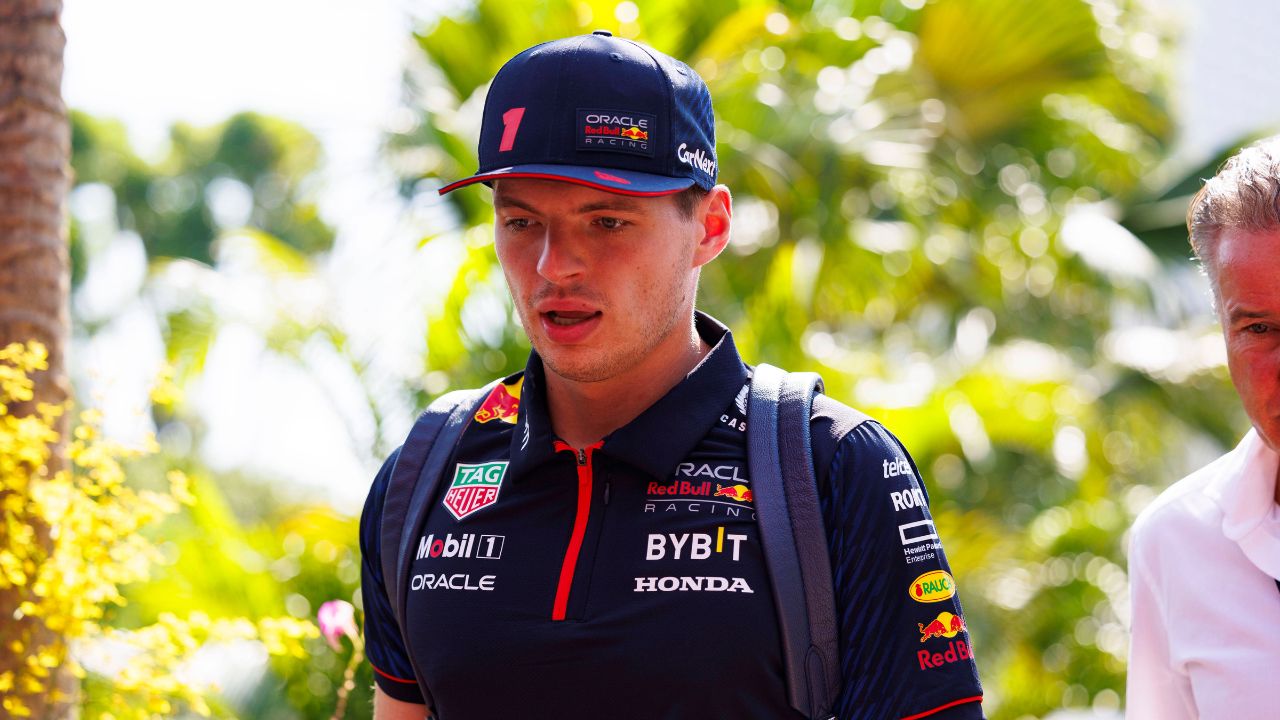
Although Max Verstappen currently has a contract with Red Bull till the end of the 2028 season, there is a chance that he could jump ship. Since the Dutchman fears that Red Bull will not have the most dominant car when the regulations reset in 2026, there is a chance he may consider switching teams.
Red Bull are going to embark on a works power unit partnership with Ford from 2026 onwards. That said, the 26-year-old is wary of the stiff competition rivals like Mercedes and Ferrari can give Red Bull when it comes to perfecting an F1 engine.
F1Maximaal.nl quoted Verstappen as saying, “I have a lot of confidence in it, but as I said: We have to be realistic. We are competing against people who have been building engines for over a hundred years.”
Max Verstappen is targeting a move to Mercedes in 2026.
In 2025, there will again be certain performance clauses in the contract that make a change possible even without Marko’s help. There is already a confidential, open, and regular exchange between Verstappens and Mercedes… pic.twitter.com/Q07vk8C4wD
— F1_MercHub (@F1MercHub) August 9, 2024
The 2026 technical regulations will place the most emphasis on the power unit. The regulations are going to be revamped to extract maximum power from the engines whilst also aiming at keeping a 50-50 split between the ICE and the Battery Pack. This poses a huge task for the power unit manufacturers to crack.
What do the 2026 F1 regulations have in store?
According to the FIA, the new power units will radically change the landscape of the sport. In addition to the engine power distribution, the new power units will also look to use 100% sustainable fuels. However, there are certain concerns with respect to how it will affect the lap times and driving styles.
Further, the sport has also introduced a wide array of active aerodynamic solutions to spice up the racing action whilst also keeping the spirit of the engine regulations in mind. Replacing DRS is active aerodynamics, which will not require the chasing car to be within one second of the car ahead.
Rather, it can be activated in designated zones to lower the car’s drag profile. Additionally, like DRS, drivers can, when within one second of the car ahead, use an IndyCar-esque push to pass the manual override button.
About the author


-

Tanish Chachra •
Helmut Marko Warns Red Bull About Expedition to Miami That Could Be Tricky to Conquer
-
Sabyasachi Biswas •
Lewis Hamilton Touted to “Beat George Russell” Despite the Former Abandoning Loyalty to Mercedes
-
Utkarsh Bhatla •
Formula E trolls Formula 1 over money taking over
-

Somin Bhattacharjee •
“That’s Him in Real Life”: Lando Norris’ Colleague Says F1 Driver Is Not Playing a Persona for Fans
-

Sabyasachi Biswas •
After Max Verstappen Warns About $18,320,000 Equipment Change, Zak Brown and James Vowles Step in to Clear His Fears
-

Mahim Suhalka •
Watching Him Ever Since Go Karting Max Verstappen Lauds Fernando Alonso for Still Competing in F1