


Andy Roddick Agrees With US Open Head Taking Dig at Age-Old Wimbledon Scheduling Rule

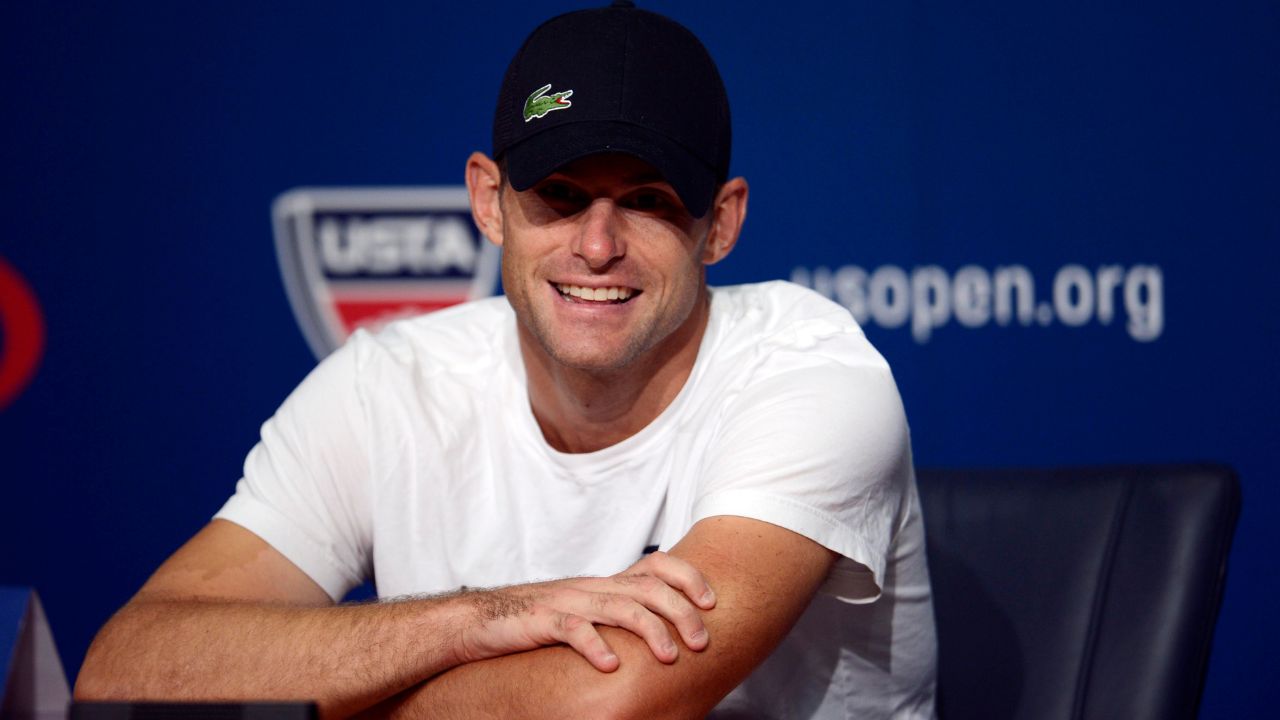
US Open director Stacey Allaster did not mince words while speaking with former American tennis player Andy Roddick concerning the debates surrounding late-night matches. This also led her to speak out against Wimbledon’s night curfew rule, for which she received the support of the podcast host Roddick.
After receiving numerous questions about the rise in the number of late-night games and their adverse effects on athletes’ health, the US Open’s director finally decided to address them. She believes that it is not feasible for them to impose a curfew because players do not prefer the game to be stopped and then asked to return the next day.
“What I hear from players is that you’re ready to go, and you want the referee to say, ‘Hey guys, come back tomorrow?’ No. Exactly,” said Allaster while putting forth the players’ point of view.
She received support from Roddick on this stance. The former player explained how it’s not practical for them to spend a day on the court and then return the next day and continue from where they left off.
“Basically, when the match before you goes on, you need to be twenty minutes away from going on at all moments, and you can be twenty minutes away from going on for six hours, depending on what match you’re following. I’m already losing half of a day recovery, minimum,” Roddick was quoted by Tennis Channel.
“If I go to the next day, and all of a sudden, I get caught in a five-hour throwdown match and then I have to go back-to-back, that’s not a realistic scenario for me if I can buy ten hours on the front end. So, pretending as if there is a scripted version of this problem isn’t the place to start this conversation, in my opinion.”
Recently, a report was published by the Professional Tennis Players Association stating how the increasing duration of matches and the games ending late at night has been affecting players’ health. It further added that this has a direct impact on the injury rate and makes players more vulnerable to getting injuries.
Players like Iga Swiatek, Aryna Sabalenka, Novak Djokovic, and Jannik Sinner, among others, have raised similar concerns and how their mental health was also being affected because of matches ending late at night. This became even more relevant when the frequency of such matches increased at this year’s US Open.
About the author

-

Atharva Upasani •
“He Made Sampras Look Like Sh*t”: Nick Kyrgios Believes Novak Djokovic Would Have ‘Eaten Pete Sampras Alive’ Courtesy a 2001 Grand Slam Final Result
-

Tanmay Roy •
Dan Evans vs Ben Shelton Prediction and Live Streaming Details of Acapulco Open Round of 32 Clash: Shelton Has Tough Challenge Against Upbeat Brit
-
Nandini Rikhee •
Jasmine Paolini Makes Fun of Carlos Alcaraz After Photo of Olympics 2024 Medalists Goes Viral
-
Atharva Upasani •
“Bigger Than Anything”: Novak Djokovic Reveals What He Covets More Than Grand Slams
-
Utkarsh Bhatla •
Twitter erupts as Vasek Pospisil shocks World Number 1 Andy Murray
-

Dhruv Rupani •
Who Is Christopher Eubanks, the American Who is Set To Take Stefanos Tsitsipas on Today at Wimbledon?