


Kolpak Rule : Explained and Examined

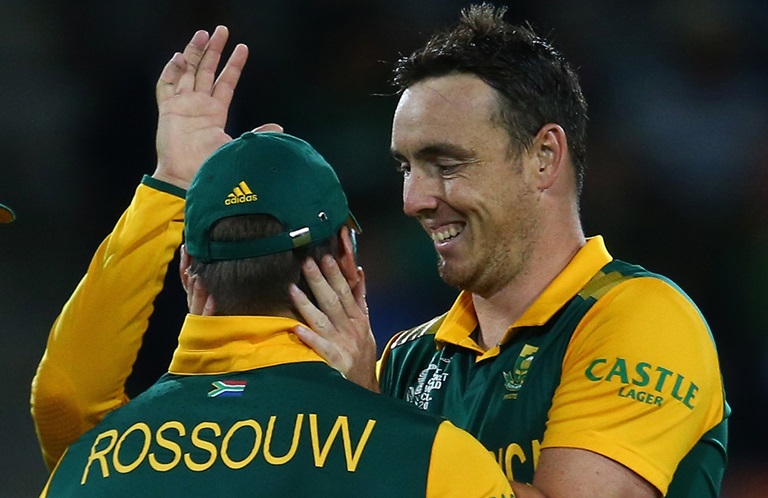
What exactly is the Kolpak rule?
The citizens of the European Union are allowed to work in any other European Union country. However, the Kolpak rule states that the citizens of other countries that are part of the EU Association Agreements that are free trade treaties b/w EU and other countries have the same right too.
Where does the name come from?
This rule was made when a European Court of Justice ruled a decision in favor of Maros Kolpak. Kolpak was a Slovak handball player and had lost his contract with his club (German) as they had their quota of non-EU players full. He challenged in the court that he should not be treated as a non-EU player since he was a resident of Germany, and also the citizen of a country having Association Agreement with the European Union.
How does Cricket come into the picture?
The same rule applies to cricket. Players from any country having such a deal with EU can play for any EU country without being considered as an overseas player. So they can easily sign contracts with any EU county team without the overseas clause.
Also Read : MS Dhoni Ultimate Quotes compilation
What relates South Africa to this?
South Africa is a part of the Cotonou Agreement along with many other Caribbean nations including Zimbabwe. So the players from these countries are eligible for the Kolpak deal.
So any South African player can sign a Kolpak deal?
Not really. According to a British Home Office ruling in 2009, a player ought to have a work permit for 4 years in the UK or should have earned a specific number of international caps to be able to sign a Kolpak deal.
Can such a player play for a county and his country at the same time?
No. The player gives up his right to play for the country as long as the deal with the county ends.
Can such a player play Domestic cricket in his home country as well?
Yes, but the priority must always be given to English County. He can do so in English off-season.
Go on to know if such a player can come back and play for his country…
About the author


-
Dixit Bhargav •
MS Dhoni retirement news: 3 reasons why Dhoni should retire from international cricket now
-
Dixit Bhargav •
Rishabh Pant praises Virat Kohli for supporting the new players
-
Dixit Bhargav •
Will MS Dhoni retire today: Sakshi Dhoni and MSK Prasad pass major statements on Dhoni’s retirement speculations
-
Dixit Bhargav •
England lowest score in T20 international: Lowest England T20 innings total full list
-
Rishikesh Sharma •
Why Suryakumar Yadav not playing today’s 1st ODI vs Sri Lanka: Is SKY ODI record bad?
-
Dixit Bhargav •
Ajinkya Rahane Last 10 Test Innings Score List