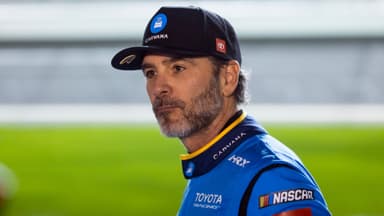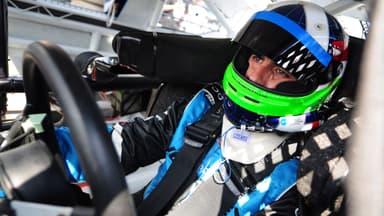
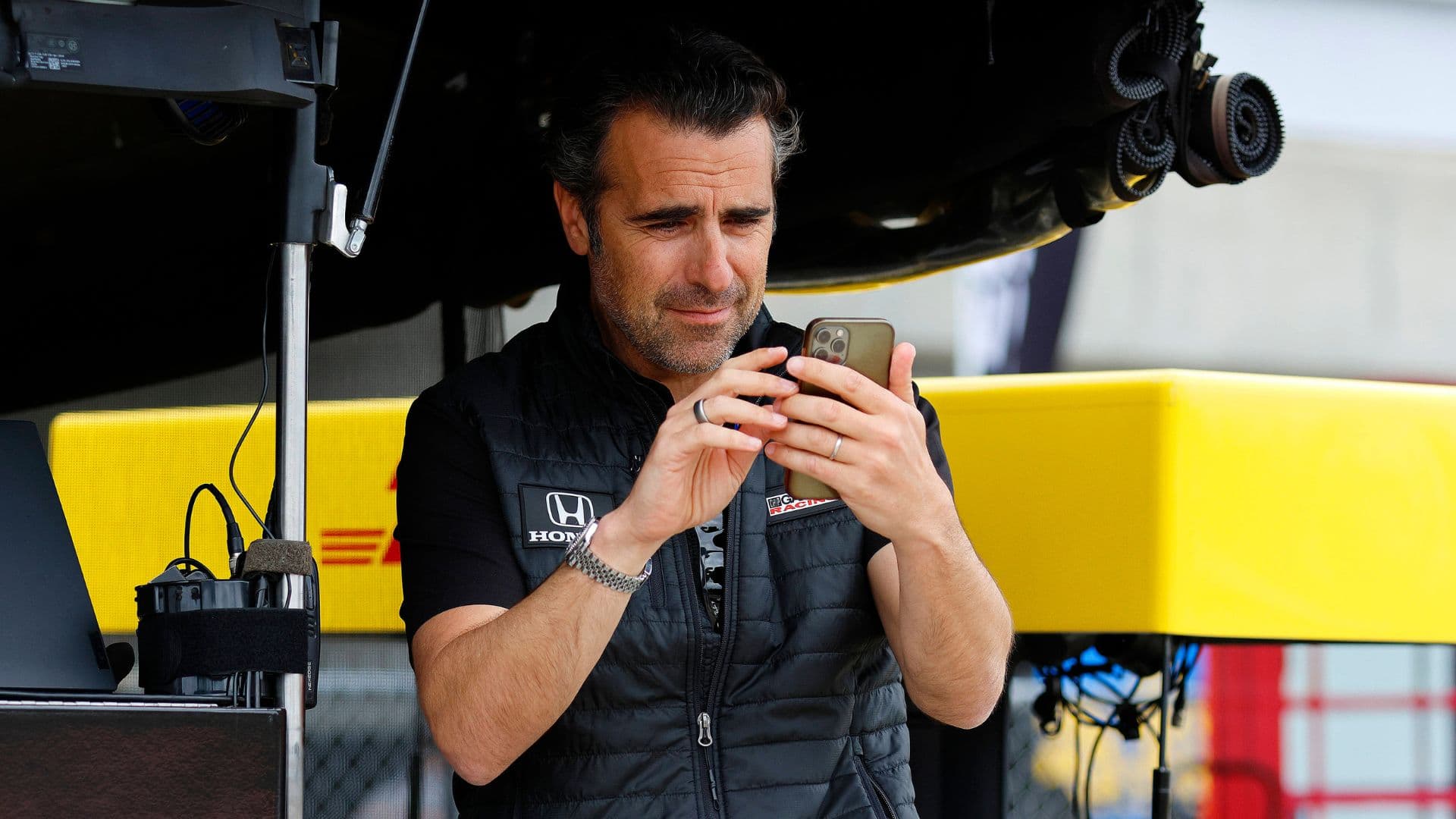
It was a big weekend for the NASCAR Craftsman Truck Series, firstly because it went to St. Petersburg, the the first Truck Series race to be held on a street course and secondly, because it marked the return of Dario Franchitti, who came back behind the wheel for the first time in 13 years.
Advertisement
It was Franchitti’s debut in the NASCAR Craftsman Truck Series and he finished 27th after running top 10 for the majority of the race. He was sixth at the end of stage 1, and eighth at the end of stage 2. However, a top-10 run went South when steering trouble crept in and pulled the rug from under what could have been a spectacular finish.
Despite that, the three-time Indianapolis 500 winner did not walk away with a long face. Instead, he left with respect for how the whole race panned out.
Franchitti clarified that he never entered the race with fallacies of dominance. He openly acknowledged that modern stock car racing is not a nostalgia playground. The drivers he shared the track with are deeply trained, heavily simulator-conditioned, and far more polished than outsiders might assume. With a tone of respect, he said, “It was a pleasure to share the track with them.”
One of the biggest takeaways for him was the level of aggression. He sounded genuinely impressed by how hard the racing began right from lap one. In IndyCar, the rhythm can build more gradually, but in trucks, the intensity arrives immediately and stays there.
He said, “That was the biggest… I think how hard they raced from the first lap was pretty impressive. And then just when it goes wrong, how long it takes to hit something? The Indy car is pretty quick. If you lock a wheel, you’ve got time to recover.”
Diving deeper into the technical side of things, Franchitti compared the handling and danger profile of stock trucks to Indy cars. In an Indy car, if one locks a wheel, things happen fast but predictably. The driver either saves it or hits something quickly.
We live for days like today. So happy for Dario and his many loved ones after he ran P6-P8 at St. Pete until gearbox issues struck. #racing #motorsport #nascar pic.twitter.com/ao7wDwuMNY
— Marshall Pruett (@marshallpruett) March 1, 2026
In a truck, the danger stretches out in slow motion. When a tire locks or the rear hops, the vehicle drifts into an inevitable mistake you can see coming but can’t stop. That helplessness stood out to him as one of the most jarring differences between the two series.
When the talk turned to performance expectations, Franchitti kept it grounded. He said his run matched what he expected himself to do. He expected to run competitively in the mid-to-front pack and prove he still belonged in the fight. Franchitti trusted the equipment and knew the truck and team were strong, which allowed him to focus purely on execution.
Franchitti tipped his cap to the crew chief and the team, expressing gratitude for their drive and approach while acknowledging that the chance meant more than numbers on a sheet. “It was really good, it was really good points, and there were points when it wasn’t, I hate to say good, and I made some rookie errors. But how fortunate am I after what I went through in 2013, and I come back and do this 13 years later.”
That contemplation goes back to the crash that changed his career. In October 2013, during the closing lap of an NTT IndyCar Series race, contact with Takuma Sato sent Franchitti into the catch fence. The impact left him with injuries that forced doctors to warn him about the risks of paralysis and lasting brain damage if he returned to that level of danger.
Time, however, helped him piece things back together. Franchitti spoke of steady progress and eventually earned clearance to run January’s 24 Hours of Dubai sports car event. By early February, he confirmed plans to compete with TRICON at the 1.8-mile circuit, a track where he stood on top back in 2011.