


“I Have A Bad Habit of Taking Things Too Seriously”: How Jimmie Johnson Adjusted to the Grind of Triathlons

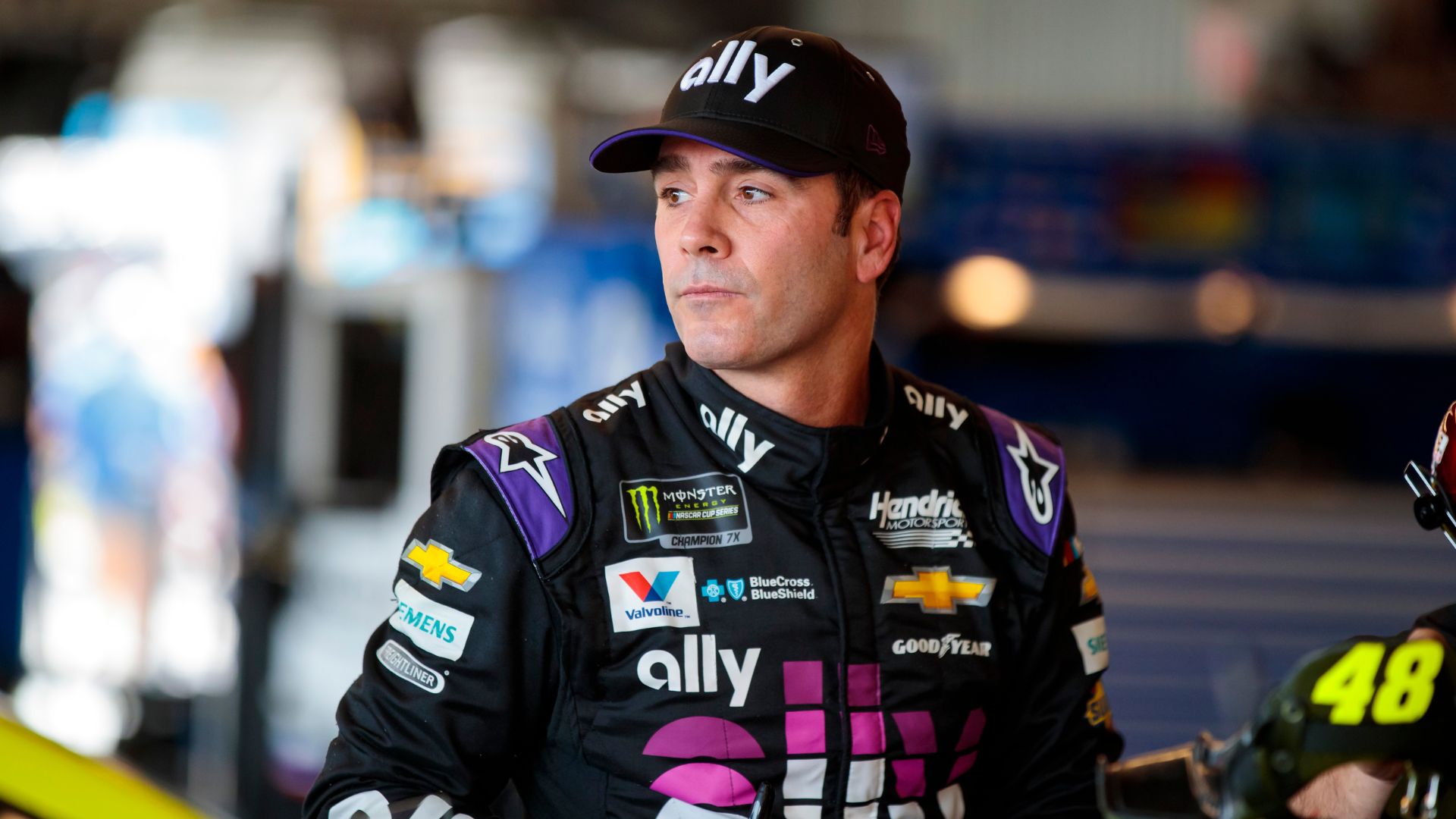
Jimmie Johnson has always been a quiet overachiever. Even at 50, he remains one of the fittest figures in the NASCAR ecosystem. Though he stepped away from full-time Cup Series competition after the 2020 season, he never walked away from racing itself. Instead, he redirected that competitive drive into IndyCar, the 24 Hours of Daytona, the 24 Hours of Le Mans, and other elite endurance events. Earlier in his career, when time and physical bandwidth allowed, Johnson even extended that ambition beyond motorsports into triathlons.
In 2018, he took on a triathlon contest, which involved swimming, cycling, and long-distance running. That was not his initial intent though. Long before retirement entered the conversation, Johnson had already committed to conditioning his body with the same seriousness he applied to his stock car because NASCAR crashes are unavoidable.
Johnson understood that survival depended on how well the body absorbs punishment. His goal was to make his body outlast the chaos around him.
A former swimmer and water polo player in high school, Johnson approached training like a proper athlete, focusing on recovery. He treated fitness as a competitive tool, not a lifestyle accessory, and that mindset helped him sharpen performance deep into his racing career.
But ironically, as he approached the later stages of his NASCAR tenure, his physical condition reached a new peak getting him interested into triathlons.
Johnson admitted that triathlons had long lived in his imagination. Racing, however, remained his primary occupation, forcing him to keep that ambition in check. He acknowledged his tendency to dive deep into new pursuits, even when restraint might be wiser. “I have a bad habit of taking things too seriously. But I’m really trying to have fun with this.”
Despite framing triathlons as a side project, Johnson approached preparation with intent. He trained with structure, chased respectable times, and embraced the grind. “I’m putting in the time to train right and try to put up a good time, but it’s really fun. I know it sounds crazy, but I’m having a good time doing it.”
At one stage, his nutritional focus narrowed almost entirely to protein, with minimal carbohydrates, reflecting the discipline that had defined his racing career.
That approach eventually reached its limits when he aimed to compete in triathlons as well. As endurance demands increased, energy levels dipped, forcing a recalibration. Eventually, he took the help of Jamey Yon, a triathlon coach and the founder of TRi-Yon Performance. With Yon’s guidance, Johnson corrected course, aligning training and nutrition to meet the realities of endurance sport rather than sheer willpower.
Just five months after his first exposure to triathlon competition, Johnson completed an Olympic-distance triathlon, while working with his rigorous NASCAR schedule already. Two months later, he added a half-marathon to his résumé. The achievement came from his ability to juggle NASCAR commitments with a demanding endurance schedule.
About the author


-
Anirban Aly Mandal •
Did NASCAR Champion Ryan Blaney’s Uncle Play for the Los Angeles Lakers?
-
Neha Dwivedi •
Denny Hamlin Feels NASCAR Fans Will Be Apprehensive About Electric Cars in the Series
-
Neha Dwivedi •
“It Does Look Fun”: Joey Logano Opens Up on the Reasons Stopping Him From Trying Sprint Car Racing
-

Srijan Mandal •
“Throw Him Out”: Insider Applauds NASCAR’s Kevin Harvick Disqualification Despite “Uncomfortable Situation”
-

Gowtham Ramalingam •
Ryan Blaney and Wife Gianna Address Expletive-Laden Chant Gaining Popularity Among NASCAR Fans
-
Rahul Ahluwalia •
Why Sonoma Could Be NASCAR’s Most Entertaining Race After Recent Changes