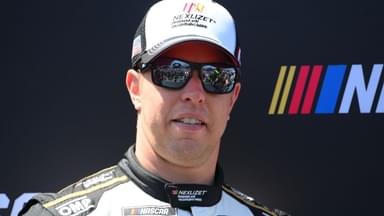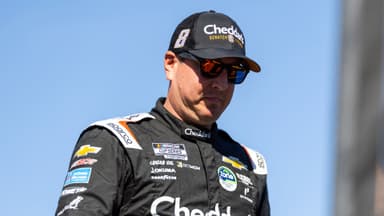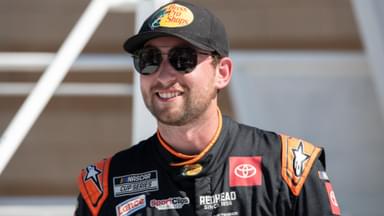
Given their patriotic history and several drivers like Brad Keselowski doing so much for the retired military personnel, NASCAR fans might receive some special recruitment advertisements. According to reports, U.S. Immigration and Customs Enforcement is preparing a $100 million, year-long wartime recruitment media blitz to expand its workforce in support of Donald Trump’s mass-deportation objectives slated for 2026, and a central pillar of the strategy relies on geofencing technology.
Advertisement
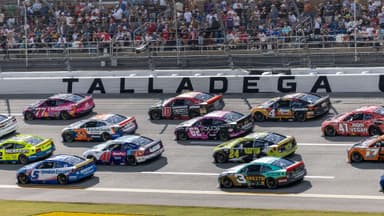
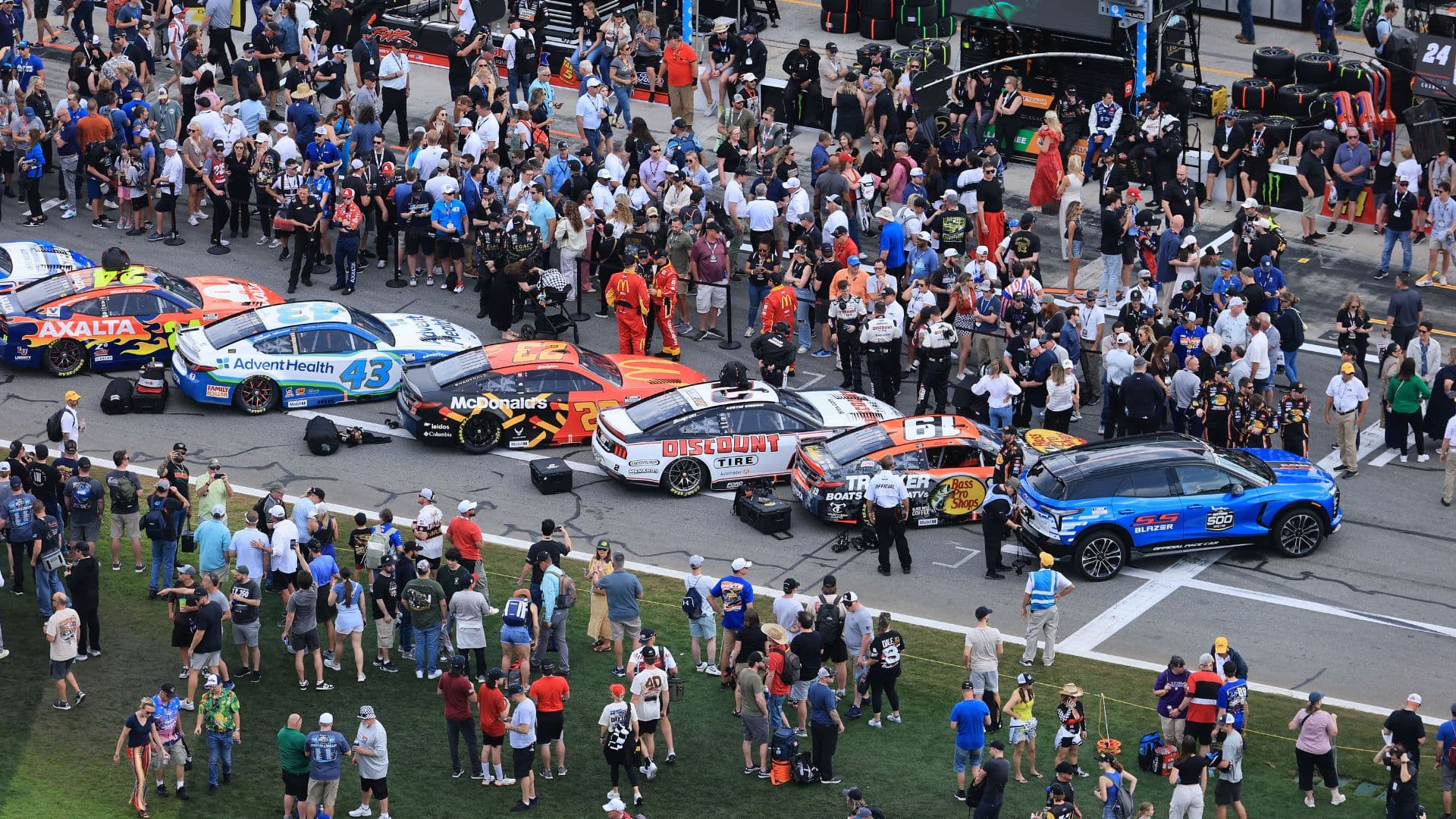
This allows ICE to deliver recruitment advertisements directly to the devices of people attending NASCAR races, along with gun shows, military bases, college campuses, UFC events, and major trade expos. Hence, anyone physically present at or near a NASCAR venue could receive targeted prompts on their phones or browsers urging them to apply for roles as deportation officers.
The agency is intentionally zeroing in on audiences tied to conservative and patriotic subcultures, including country-radio listeners, military-minded communities, gun-rights advocates, fitness circles, and male-focused interest spaces. Internal planning materials cited by The Washington Post identify NASCAR race weekends as high-value targets because of their dense concentration of the demographic ICE seeks to attract.
Simultaneously, ICE seems to be planning to allocate at least $8 million to partnerships with fitness, tactical, and military-lifestyle influencers, leveraging livestreams, event appearances, and social media campaigns to reach Gen Z and millennial audiences.
The recruitment surge follows the July passage of HR 1, which earmarked $45 billion for immigration detention and another $32 billion for enforcement staffing and operations. With those funds in place, ICE aims to add roughly 14,000 employees and is dangling aggressive incentives, including signing bonuses of up to $50,000 and student-loan repayment packages of up to $60,000.
According to the Department of Homeland Security, the campaign has already produced more than 220,000 applications and over 18,000 tentative job offers, some of which were extended on the spot at recruitment events. Officials report that more than 85 percent of new hires bring prior law enforcement experience.
Critics, however, caution that the campaign’s tone and velocity, coupled with its placement at NASCAR races and similar venues, risk drawing applicants driven more by aggression or ideological zeal than by public-service motives. Marketing analysts note that the messaging leans heavily on patriotic imagery while casting immigration enforcement in overtly combative terms.
It looks like the NASCAR race weekends might no longer be only about horsepower and pit strategy. Under ICE’s latest plan, they could potentially become frontline recruiting grounds in a politicized federal enforcement campaign.