


Why Radios Are the Lifeline of a NASCAR Team During a Race?

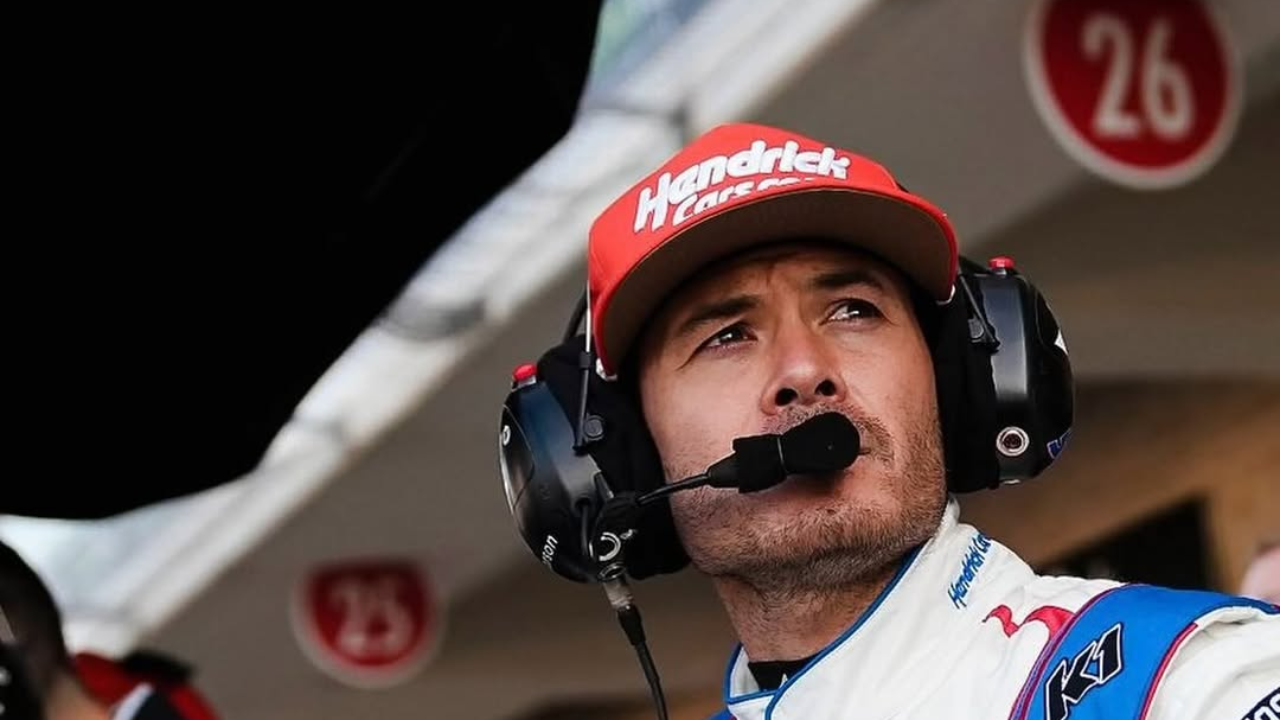
Two-way radios have been a staple in NASCAR since the 1970s when they first enabled crew chiefs to provide drivers with real-time insights on car performance, pit strategies, and racing tactics. Quickly, the use of two-way radios expanded, becoming integral across virtually all facets of the sport. Today, it’s rare to find anyone at a NASCAR race without access to a two-way radio.
While a single radio suffices for drivers to maintain contact with their spotters, crew chiefs, and analysts, the dynamics are more complex for crew chiefs. According to a recent video released by the Joe Gibbs Racing team, a crew chief requires a total of five radios to ensure comprehensive communication with the entire team.
Chris Gabehart, the former crew chief for Denny Hamlin’s #11 team and the upcoming JGR competition director, was featured in the video detailing this setup. He stated, “I need one radio to talk to the driver. Then I need one to talk to the spotter only; then I need a private radio to talk to the pit crew so I can give them Direction; then I need a radio to scan NASCAR so I can hear the direction they’re giving us.”
“And then lastly when I plug in onto the Box will be another radio to have open dialogue over an intercom with Engineers about strategy and race Dynamic and that kind of thing. So, five radios!” he added.
"The dumbest thing I've ever seen in my life." Radioactive: Talladega. #NASCAR pic.twitter.com/SVtnFAC1D8
— FOX: NASCAR (@NASCARONFOX) October 9, 2024
Radio communications have been climactic in NASCAR, influencing the outcomes of many races, including Joey Logano’s win at this year’s Nashville race. Thanks to strategic directions communicated by his crew chief via radio, Logano managed to stretch a 20-gallon tank of fuel over the final 110 laps, clinching the victory despite initial calculations suggesting otherwise.
Another example of effective radio communication shaping race outcomes was Martin Truex Jr.’s victory at Sonoma Raceway in 2018. The radio exchanges between Truex and his crew chief, Cole Pearn, altered the trajectory of the race, allowing the now-former driver to clinch the silverware in California wine country.
As Truex contested the lead with Kevin Harvick and Clint Bowyer, he received an update from his crew chief on his radio to pit for tires and fuel on the upcoming lap. But then Pearn called an audible at the last moment, instructing Truex, “All right, stay out, Martin, stay out. Go nine more.”
On this day in 2018, Martin Truex Jr wins at Sonoma! pic.twitter.com/R6THeVFegf
— DJ Mercure Gabriel (@Nascarpixtures) June 24, 2020
The move was to deceive the teams of Harvick and Bowyer, who, having intercepted Pearn’s initial radio transmission and observing Truex’s pit crew seemingly preparing for a stop, decided to pit their drivers.
Truex, however, remained on track, later pitting for fresher tires that gave him an advantage in the closing laps, ultimately leading to his victory. The feint by Pearn, faking a pit stop, manipulated the race’s outcome and also highlighted the effective use of radios in NASCAR.
About the author


-
Neha Dwivedi •
Where Did Denny Hamlin’s First Paycheck Come From?
-

Gowtham Ramalingam •
Dale Earnhardt Jr. Admits What Makes Him Nervous About JRM’s Return to the Daytona 500
-

Neha Dwivedi •
“Just Makes It Worse”: Connor Zilisch Blasts Corey Day After COTA
-
Neha Dwivedi •
“Got to Justify Everyone’s Salary”: Why Joey Logano Is Against NASCAR Reducing the Number of Races in a Season
-

Gowtham Ramalingam •
Dale Earnhardt Jr. in the Next ‘Fast and the Furious’ Movie? NASCAR Legend Would “Absolutely Say Yes”
-
Gowtham Ramalingam •
NASCAR Pocono Prize Money: How Much Will Drivers Take Home After Winning in Pocono This Weekend?