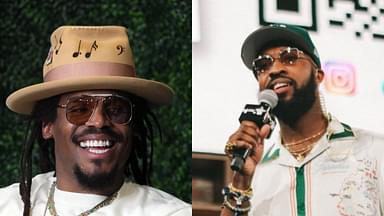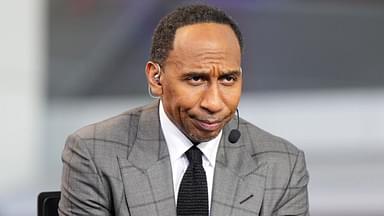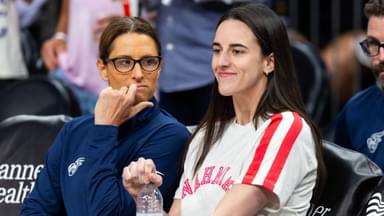
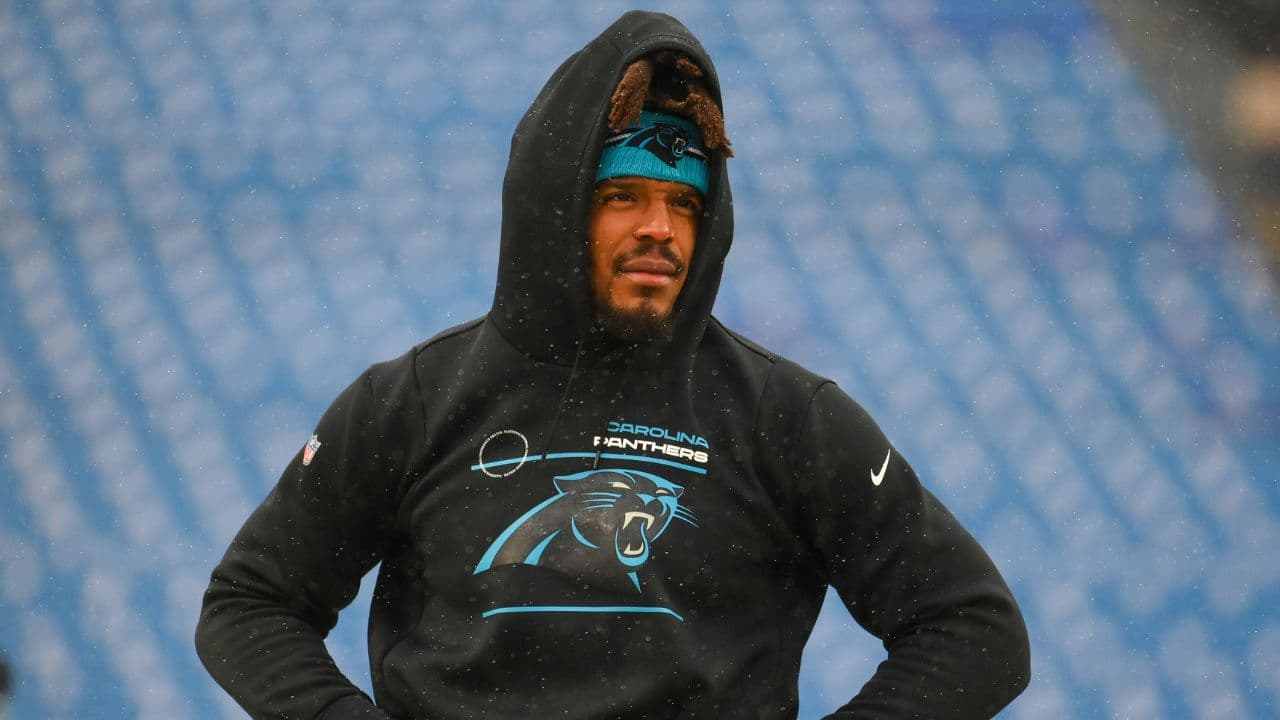
The 2026 calendar year is proving to be a productive one for Cam Newton and his attempts at extending olive branches where possible. The former face of the Carolina Panthers recently took the time to clear the air and bury the hatchet with his former teammate, Steve Smith, on a special episode of his 4th & 1 podcast, creating a sense of both commercial and personal success for the two NFL legends.
Advertisement
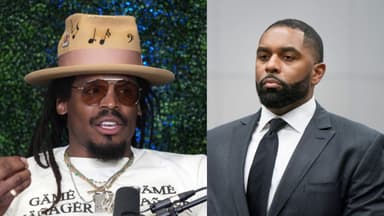
However, during Newton’s latest episode, in which he attempted to do the same with the controversial sports commentator, Jason Whitlock, things seemingly became a bit more contentious. “Early in his career, I’m a huge Cam Newton supporter,” Whitlock recalled. “He reminds me of John Elway. This guy has a chance.”
“Then he made a pivot to where he wanted to be a bit more of a cultural icon, and I thought it was a mistake. When you’re a franchise quarterback, there’s a clean-cut way that the organization wants you to present yourself. I think that young men, particularly young black men, have spent way too much time worrying about their hairstyle, their fashion statements.”
Much of Whitlock’s complaints about Newton were prefaced by his assertion that he was an incredibly vocal supporter of Newton throughout the early days of his career at Auburn. So much so, in fact, that he often found himself “risking his relationship with superiors” to defend himself in the media.
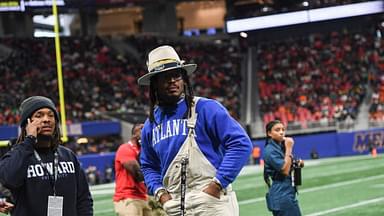
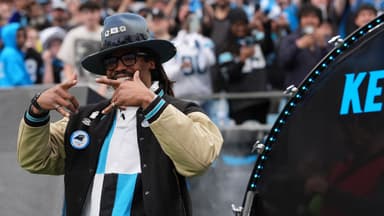
As Newton’s over-the-top personality began to emerge, however, that quickly changed. Now, the star quarterback wears designer hats and unique clothing combinations that seemingly no one else could have thought of, and according to Whitlock, that’s only kneecapping Newton’s potential as a media personality.
“If he just tones it down more,” Whitlock suggested. “And allows people to focus on what’s coming out of his mouth rather than how he presents himself, I think he can have even more impact in the media space.”
In other words, those still being the ones of Whitlock, “Cam is doing too much, and if he does a little less, then he will actually do more.” Of course, Newton himself argued that he was simply trying to “control our narrative as athletes,” and that many of his past statements pertaining to fashion and iconography had been taken out of context.
According to the former Panther, “There were still times in my career that I was still labeled as ‘oh, you’re still just a black man in America,'” and that ultimately led him to decide to stand out in as many different ways as possible.