The Eagles’ season ended the same way it had unfolded for months, with a promising start, a stalled finish, and unanswered questions about why a roster so similar to last year’s Super Bowl champions never quite became the same team again.
Advertisement
Philadelphia’s 23–19 wild-card loss to the San Francisco 49ers was not a collapse by betting standards, but it was familiar. For the sixth time this season, the Eagles failed to score a touchdown in the second half. Once again, an offense that looked functional early could not sustain rhythm or generate explosive plays when the game tightened.
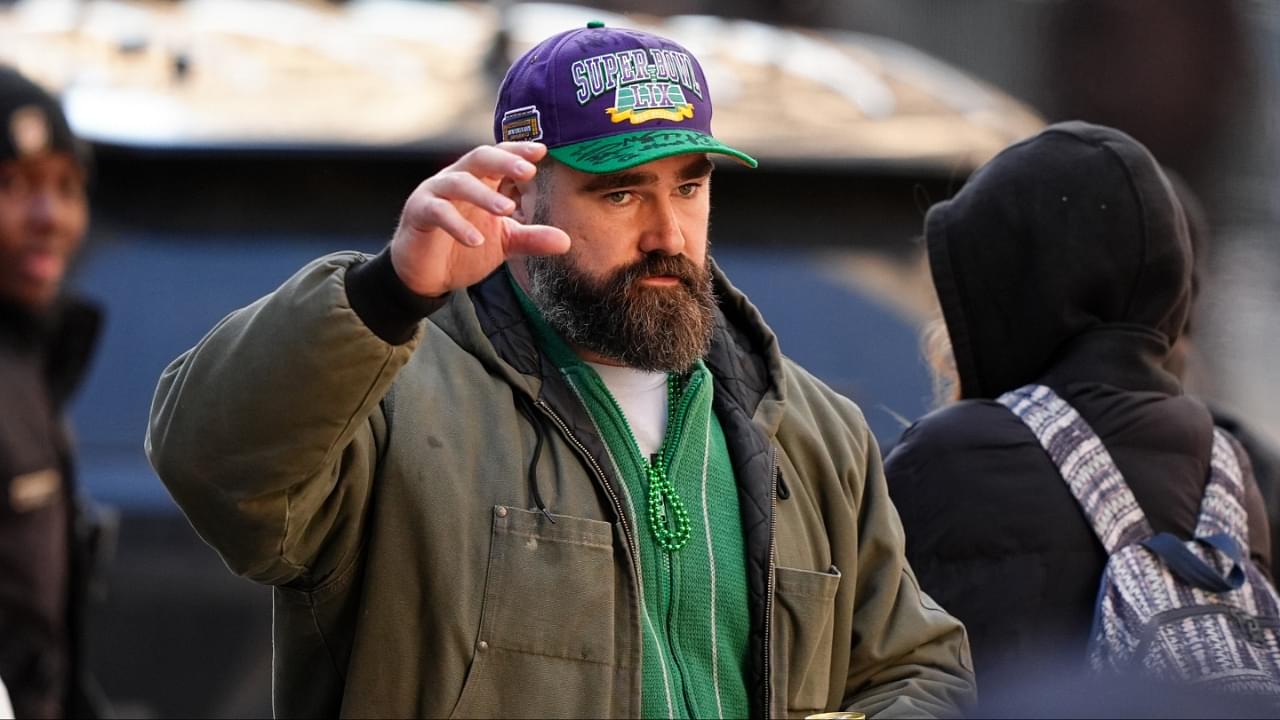
Jason Kelce believes the clearest difference between last season’s title run and this year’s early exit started with the run game.
“I think the biggest thing that was a glaring difference between this year and last year was the run game,” Kelce said. “You had Saquon Barkley nearly set the NFL rushing record. If you look at the passing statistics, really not that big of a difference. That was the main difference.”
Against San Francisco, that absence showed up quickly after halftime. The Eagles entered the break leading 13–10, having leaned on Dallas Goedert and controlled time of possession. But once the 49ers adjusted, loading the box and forcing longer downs, Philadelphia averaged under four yards per carry and managed only field-goal chances.
Kelce said the issue was not just production, but how the Eagles responded when adversity arrived.
“You’ve got to tip your hat to the San Francisco 49ers,” he said on ESPN. “You saw a team fighting, playing together.”
That contrast became sharper after the 49ers lost George Kittle to a torn Achilles tendon. Instead of unraveling, San Francisco responded immediately with explosive plays, including two fourth-quarter touchdowns that flipped the game. Brock Purdy found Christian McCaffrey on his final read for the go-ahead score, and the 49ers executed a trick play earlier in the quarter to seize momentum.
“They lose George Kittle,” Kelce said. “How many players have they lost this year? And it feels like they’ve come together.”
Philadelphia, meanwhile, struggled to find answers. A.J. Brown caught just three passes for 25 yards and dropped a crucial third-down throw late in the fourth quarter.
The Eagles finished with 307 total yards and averaged 4.3 yards per play. Hurts threw for only 168 yards on 35 attempts, continuing a season-long trend of limited downfield production. Brown did not record a catch after the first quarter. When Philadelphia got the ball back with a chance to take the lead late, the drive ended on downs.
Kelce said last year’s team handled similar pressure differently.
“And listen, I love the Philadelphia Eagles. I love these coaches, of course,” he said. “But the way they responded to the adversity last year with all the noise and whatnot, they came together, made a great playoff, and won a Super Bowl.”
“This year, it never felt like that happened,” Kelce continued. “It never felt like they were able to come together and realize that it’s about us. Everybody focus on your job. There’s all these narratives out there. It just never felt like they handled that as well as they did last year.”
Last year, the Eagles turned adversity into a championship run. This year, they could hardly touch the playoffs.