


“We saw the true extent of the problem”- Mercedes reveals qualifying woes of Lewis Hamilton and Valtteri Bottas

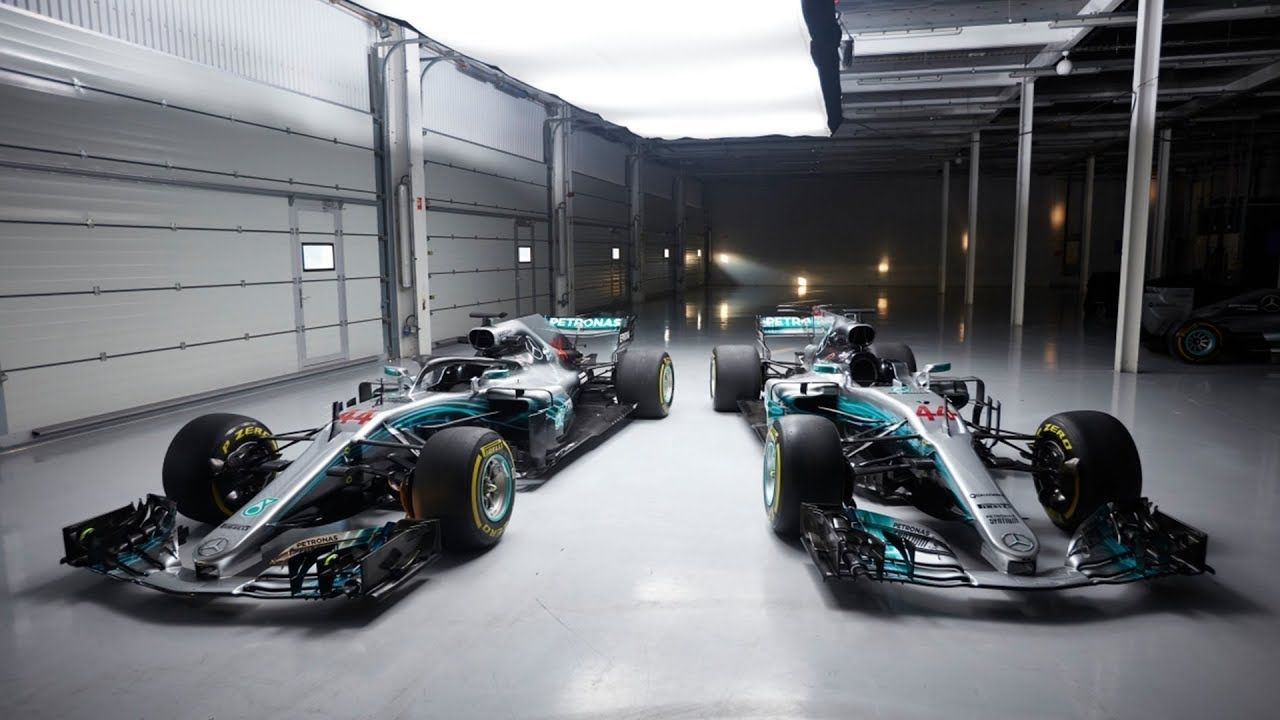
“We saw the true extent of the problem”- Mercedes reveals qualifying woes of Lewis Hamilton and Valtteri Bottas, ending in surprising grid positions.
Mercedes managed to escape from a dreadful weekend in Turkey, as the qualifying round made them kneel in front of their rivals for the first time in probably seven years.
But, a magical performance by Lewis Hamilton safeguarded the prestige of Silver Arrows and made him conquer his 7th title in the most fashionable way- by winning against the second position by more than 31 seconds, last time such mammoth deficit was achieved it was China GP 2016.
However, Valtteri Bottas was a dark spot in Mercedes’ triumph, as his disappointing finish would be something the champions of 2020 would be willing to forget in almost perfect season.
Valtteri Bottas in Turkey:#WTF1 #TurkishGP pic.twitter.com/O0eEwuwFg0
— red. (@whyalwaysred) November 15, 2020
Amidst all of this, Mercedes’ strategy boss, James Vowles reveals that the root cause of the team’s woes was the inability to generate sufficient energy into its tyres in qualifying due to the minimal amount of running.
“In Q1 when cars were on the wet tyre doing multiple laps, we weren’t poor relative to the field at that point, in fact, both of our cars were in the top five, he explains.
“But at the end of Q1, after multiple red flags, we saw the true extent of the problem,” he continues. “All teams, all drivers had just one-timed out on the wets to make it work.
“It’s about tyre temperature and getting the tyres into the correct window,” he adds. “In Q2 it was a long run on wets for everyone and again, we were offset by Verstappen by two seconds. Not the differences we were seeing at the end of Q1 but even so a large, large performance offset.
“In Q3, Stroll did exactly the same run plan we did, with one timed lap on wets followed by two timed laps on Intermediate tyres after it was proven to be faster.
“So if you dig into why, it is all about the energy that you are putting into a tyre, which the engine will produce energy as you turn and rotate the rear tyres and generate slip, the brakes will generate energy, both front and rear, and again that will go into the tyre.
“But obviously the ground is wet, and the rain is taking away energy from the tyres continuously, so it is all about putting more energy in than is being taken away by the conditions.”
It might happen again
Despite being a rare occurrence for Mercedes, Vowel has confessed that he can’t guarantee whether this problem will not happen again in the remaining number of races.
“In all likelihood, it could reappear again in the near future and we need to be prepared,” he warns.
About the author


-
Vidit Dhawan •
Lance Stroll Obliterates Any Rumors About Sebastian Vettel as Suzuka Replacement With Latest Injury Update
-
Srijon Jana •
Despite Frosty Relations With Lewis Hamilton, Fernando Alonso Claims He Absolutely Trusts Mercedes Star During Intense Duels
-

Naman Gopal Srivastava •
$1,000,000,000 Problem That F1 Faces Should Andretti Enter It’s Exclusive Gates
-
Somin Bhattacharjee •
When Michael Schumacher vetoed Mika Hakkinen’s move to Ferrari
-
Tanish Chachra •
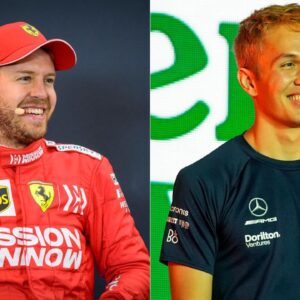
“Everybody Is A Ferrari Fan”: Sebastian Vettel’s Ferrari Declaration Validated By Alex Albon’s Childhood Photos
-
Vidit Dhawan •
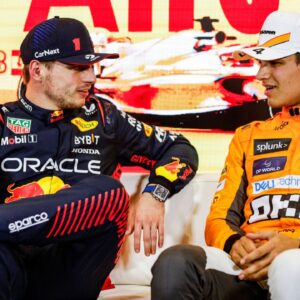
Max Verstappen Tips Lando Norris to Win Consistently As McLaren Driver Grows Increasingly Frustrated With Winning Seeming “So Far Away”