


What is Reverse Swing in cricket: How is reverse swing different from conventional swing?

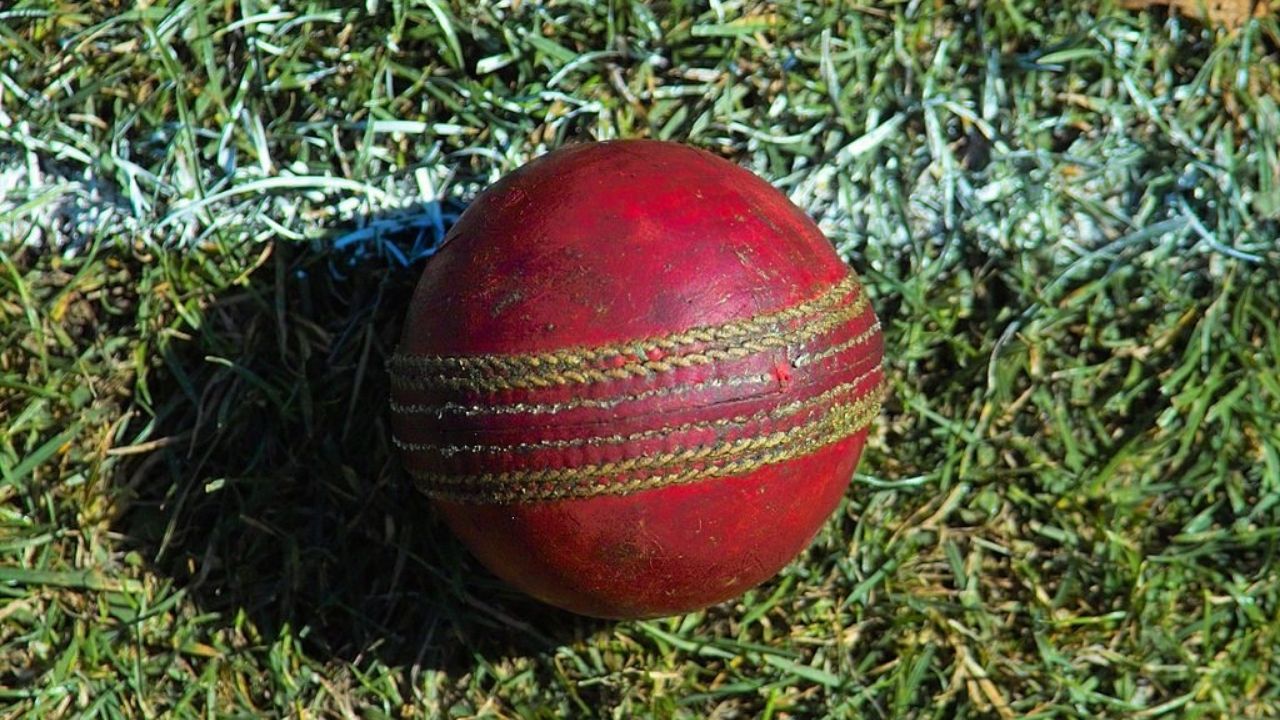
Reverse Swing in cricket: Modern-day batsmen tend to struggle against fast bowlers when they practice the art of reverse swing.
During the fifth day of the first Test of the ongoing England’s tour of India in Chennai, veteran England pacer James Anderson didn’t take much time before picking three wickets to put the hosts on the back foot in a 420-run chase.
More than the wickets, the manner in which Anderson dismissed Shubman Gill (50) and Ajinkya Rahane (0) in quick succession once again confirmed that modern-day batsmen tend to struggle against the art of reverse swing.
The fact that both the right-handed batsmen got out in an identical manner lays emphasis on Anderson foxed them. Initially starting to play the wrong line, Gill and Rahane then left enough gap between their bat and pad to allow the ball to hit the stumps.
Reverse swing can’t get better than this. What an absolute master Anderson is #INDvENG
— Sambit Bal (@sambitbal) February 9, 2021
What is Reverse Swing in cricket?
At a time when fans are wondering about the difference between conventional and reverse swing, it is only apt to provide them with a brief and simple explanation regarding a rare art.
Whether a new leather ball will swing into or leave a batsman in a cricket match depends on various factors such as bowler’s action, flow of air, shine on the ball, pitch condition etc. It is worth mentioning that the fielding side usually maintain a ball by shining one side of it by applying saliva or sweat.
In the general run of things, a cricket ball swings on the opposite side of where the shining side is. In simple words, a ball usually leaves a right-hand batsman if the shining side faces him. Similarly, a ball will swing into a right-hand batsman if the shining side is not towards him.
ALSO READ: What is the maximum number of no-balls bowled in a Test match?
The most simplest definition of reverse swing can be understood by the meaning of the word “reverse” and applying it on the aforementioned paragraph. When the ball reverse swings, it usually comes into a right-hand batsman if the shining side is towards him him. On the contrary, a ball will swing away from a right-hand batsman if the shining side is not towards him.
Fans must note that the concept of reverse swing only happens with the old ball. Mentioning a definite amount of overs wouldn’t be fair as the same varies on several conditions but for the ball to reverse it should be a minimum of (around) 30 overs old.
About the author


-
Dixit Bhargav •
Twitter reactions on India’s win in 3rd ODI at Melbourne
-

Dixit Bhargav •
Zac Crawley: Is England’s batsman related to former player John Crawley?
-
Gurpreet Singh •
“Don’t care if Ben doesn’t score any runs….”: Moeen Ali expresses optimism in Ben Stokes’ batting returns ahead of T20 World Cup 2022
-

Siddharth Nair •
Virat Kohli Becomes The Most Popular Celebrity On Social Media
-

Rishikesh Sharma •
Channel 7 Cricket Commentators: Full list of Channel 7 Cricket Commentory Team for Ashes 2021-22
-

Rishikesh Sharma •
KHP vs SOP Fantasy Prediction : Khyber Pakhtunkhwa vs Southern Punjab Best Fantasy Team for National T20 Cup