


Max Verstappen’s Coach Believes “Secretive” F1 Could’ve Solved NFL’s Biggest Problem by Simply Sharing Insights

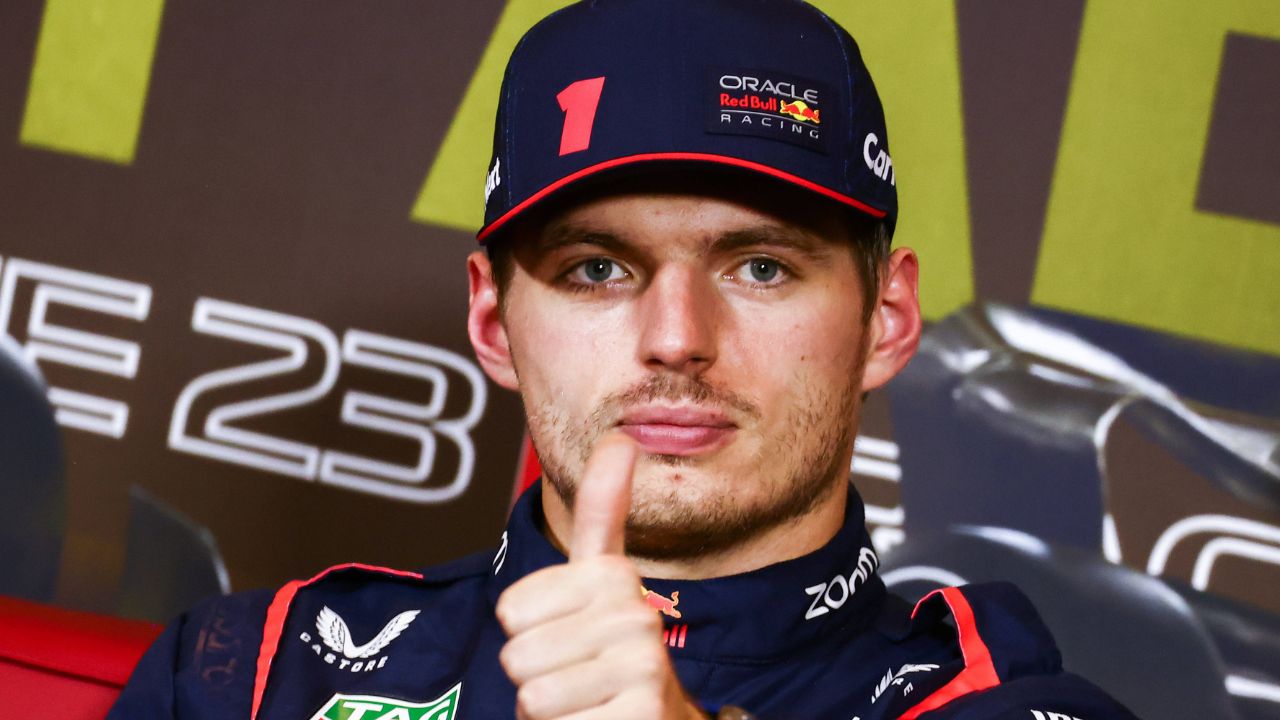
Over the past two years, many have wondered what factors are driving Max Verstappen to dominate in such an impeccable manner on track. Besides, the Red Bull car being the best and other aspects of his driving, Verstappen’s former physiotherapist and trainer, Bradley Scanes has played a significant role. Now after separating ways with the three-time champion, he recently shared an F1 secret that could potentially address the NFL’s major challenges.
Appearing on the Red Flag podcast, the Briton mentioned his knowledge of neck strengthening. He highlighted that it can treat both the general population and athletes in other sports too. Moreover, Scanes emphasized that the insights gained from neck training could have potentially avoided severe neck injuries in the NFL had F1 shared these valuable findings sooner.
He elaborated, “I think because the whole world of F1 is a little bit secretive, people keep things for themselves. There’s no real research papers or literature on it.”
Scanes also contrasted the differing training methods in UFC, rugby, and Formula 1. While F1 prioritizes neck strength, other combat sports, and the NFL now acknowledge its significance, particularly after a 2015 concussion injury.
As per Scanes, the emphasis on adding five pounds of muscle to strengthen the neck has gained traction in many sports in the recent past. In the NFL, concussions stem from impactful hits, leading to severe head injuries and a persistent risk of chronic traumatic encephalopathy.
What else did Max Verstappen’s coach reveal about F1?
Bradley Scanes, who works alongside one of the most ruthless F1 drivers, points out the exceptional challenges that Formula 1 drivers experience. Scanes suggest that, unlike athletes in other sports, F1 drivers face additional hurdles, especially at the race’s outset.
He continues to say that F1 drivers’ heart rates rise above 90% during the early stages of races as they have to manage overtakes and execute clean starts. Moreover, Scanes said that Formula 1 places the highest demand on its drivers in terms of media and marketing compared to other sports.
Scanes highlighted that, in contrast to Formula 1, athletes in no other sports give interviews before the start of the race. When describing the pre-race routine of F1 drivers, the Briton said, ” These guys are walking to the grid, they’re just about to put their helmet on, get in the car, and drive for an hour and a half. And they’re having an interview literally two and a half minutes before they get in the car.”
This specific routine, according to Scanes, drives him crazy. He finds it challenging because, in his view, after the drivers have completed their warm-up, and physical and mental preparations for the race, they should directly proceed to the race. However, with Formula 1, this isn’t possible, as media interviews are an integral part of the sport.
About the author


-

Anirban Aly Mandal •
“No Longer a Young Person”: George Russell Recognizes Change in Role as ‘Middle Phase’ of Career Begins
-

Aishwary Gaonkar •
“I Want People to Not See Me as Lewis Hamilton’s Little Brother All the Time”: Nicolas Hamilton
-
Somin Bhattacharjee •
Oscar Piastri Sees ‘Similarities’ Between Himself and Alain Prost
-

Mahim Suhalka •
“I Don’t Want to Make Headlines”: Esteban Ocon Refuses to Reveal What Triggered Alpine’s Downfall
-

Tejas Venkatesh •
Charles Leclerc docked his $2 Million elegant yacht in Porto Cervo during F1 summer break
-

Janmeyjay Shukla •
“Tsunoda showed up an hour late” – AlphaTauri’s Pierre Gasly talks about a disastrous dinner date with his teammate Yuki Tsunoda in Milan