


Chase Elliott Does Not Rule Out the Risk of Career-Ending Injuries in NASCAR Despite Heightened Safety Efforts

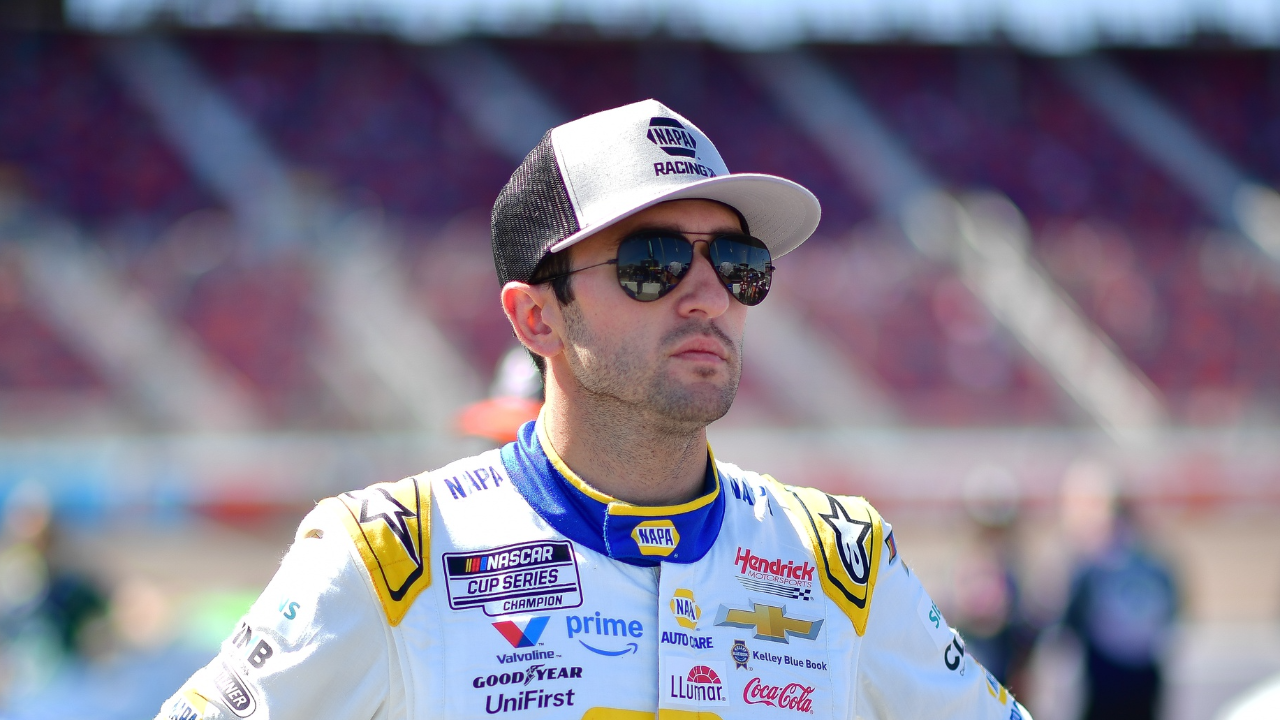
In motorsports, danger rides shotgun. Whether it’s stock cars, motorcycles, F1 machines, or dragsters, risk comes with the territory. Countless drivers have stared down disaster — some paid the ultimate price. While NASCAR has taken monumental strides in driver safety, it hasn’t rendered the sport immune to accidents or the long shadows of concussion-related complications. Chase Elliott, currently piloting NASCAR’s most advanced and secure model, the Next Gen car, recently reflected on those risks.
Appearing on The MeatEater Podcast with host Steven Rinella, Elliott acknowledged that while the odds of career-ending injury have lessened thanks to technological gains, the threat still looms large.
“Most recently, Kurt Busch… had a career-ending head injury that sidelined him for what he thought was going to be a brief period of time, and basically never recovered from a concussion standpoint. He might be okay now, but that had been, I think some years had passed by,” Elliott recalled.
“So, things are a lot safer today than they were 15 years ago or something. But certainly, that stuff is never out of the question. I think we all kind of understand the risk and kind of what’s involved in what we do, and it’s never impossible,” he added.
It’s been nearly two years since Busch closed the book on his full-time Cup Series career, walking away in 2023 after lingering effects from a crash at Pocono in July 2022 left him sidelined far longer than expected. What was meant to be a temporary pause became a permanent exit.
That Pocono wreck, where Busch backed hard into the outside wall, was the final straw following a merciless string of punishing crashes. Across 20 race weekends in the Next Gen’s debut year, Busch suffered nine wrecks, registering impacts of at least 15G. The damage was cumulative, and Pocono sealed his fate.
Dale Earnhardt Jr.’s story follows a similar arc. Though he hung up his helmet in 2017, the seeds of retirement were sown years before. Earnhardt absorbed more than a dozen concussions throughout his career, many of which he kept under wraps. But after a 2016 crash at Michigan International Speedway, the writing was on the wall.
At first, he noticed no signs after the Michigan crash. But weeks later, the symptoms blindsided him — vision problems and balance issues. Doctors later confirmed what Earnhardt had suspected, the Michigan crash had tipped the scales. That moment eventually forced the two-time Daytona 500 winner to step away, not by choice, but by necessity.
In a sport where speed thrills and risk are part of the job description, Elliott’s words echo a truth drivers carry to every track: safety may evolve, but the stakes are always high.
About the author


-

Neha Dwivedi •
“Demolished That Man’s Soul”: Dale Earnhardt Jr.’s Producer Sparks Fan Outrage With Bold NASCAR Take
-
Gowtham Ramalingam •
Ryan Blaney Reveals What Makes Martinsville Unique Despite Its Similarity to Another Popular NASCAR Track
-
Gowtham Ramalingam •
Dale Earnhardt Jr. Makes Strong Case for CARS Tour Being Better Than Any Other Racing Series
-
Neha Dwivedi •
Austin Cindric Breaks Down “Long Overdue” Top Five Finish by the No. 2 Team Penske Crew at Darlington
-
Neha Dwivedi •
Alexa Reddick Opens Up on Parenting in NASCAR, Says Raising Kids at the Track Is Like Giving Them a “Hard, Addictive Drug”
-
Gowtham Ramalingam •
Denny Hamlin Makes Sensational Claim Around His NASCAR Win Count