


Matthew Stafford Once Admitted to Childhood Mistakes While Growing Up in a Privileged Neighborhood

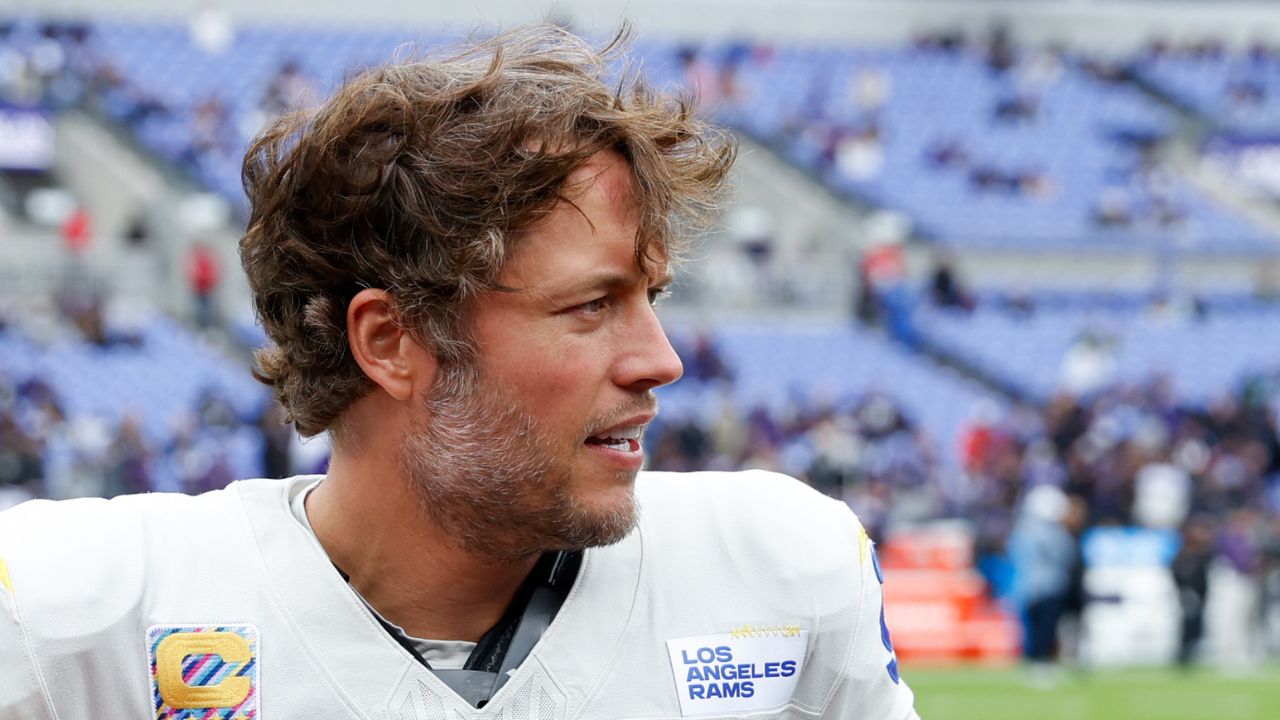
The rags-to-riches story is what makes the NFL the sporting embodiment of the American Dream. And players who fought through poverty, adversity, and systemic barriers to reach the pinnacle of football are on every team. However, what we rarely see in the league are athletes from privileged backgrounds speaking openly about that privilege.
Not surprisingly, privilege creates blind spots, and very rarely do players take accountability for the ignorance it breeds. Back in 2020, Matthew Stafford did exactly that.
In a powerful essay for The Players’ Tribune, the then-Lions QB stripped away every layer of his usual quarterback polish and admitted that the world he grew up in — Highland Park, Texas — was “one of the most privileged places in the country.”
Stafford described how his privilege shielded him from reality. As a kid, he wasn’t exposed to diversity or difficult conversations. He further said that he was “not educated on these issues,” and probably said “a bunch of stupid things” he now regrets.
The Super Bowl winner’s humility came not just from reflection, but from his willingness to listen and learn. Stafford said it was his Black teammates who opened his eyes, sharing stories of trauma and day-to-day fear that deeply affected him.
The most haunting story came from Trey Flowers, who revealed his instinct during a police stop: Roll down the window, keep both hands on the wheel, and proactively ask to be handcuffed… ‘just so he is not seen as a threat… just so he could get home alive’.
“If you’re a white person, all I’m asking you to do is to really think about that,” Stafford wrote, urging readers to imagine the situation if that was their first instinct when they see police lights.
These conversations moved Stafford far beyond football. This was particularly evident when the Lions became one of the first teams to cancel practice after the Jacob Blake shooting.
Reacting to the stance, Stafford called it the “proudest day” of his Detroit career. It was a moment where players “were vulnerable… uncomfortable… angry… everything,” but they went through it together.
Stafford insisted that his essay wasn’t about politics: “These are not political problems. These are human problems.”
At a time when the country was (and still is) bitterly divided by ideology, identity, and social-media echo chambers, Stafford’s plea was disarmingly simple: Listen, put yourself in someone else’s shoes, and stop pretending that inequity isn’t real.
What made all these admissions from the star QB even more powerful was that this came at a time when America was stunned by the heartbreaking George Floyd case. So, for a sporting icon like Stafford, being open about his privilege speaks volumes about the understanding he has of his influence.
About the author


-
Samnur Reza •
Right After Taking On the Detroit Lions Job, HC Dan Campbell Revealed the Drastic Difference Sean Payton Brought to His Coaching Style
-
Triston Drew Cook •
After Calling Joe Flacco a “Security Blanket,” Asante Samuel Says Shedeur Sanders is Hard to Overlook as QB1
-
Alex Murray •
After Advising Joe Burrow On Consistency, Kevin Durant Admits He’s “Pissed Off” With The QB Being Sidelined For 3 Months
-
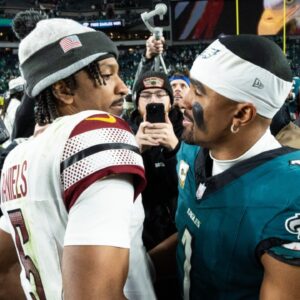
Braden Ramsey •
“It Sounded Disrespectful”: Marcellus Wiley Decodes Jason Kelce’s ‘Honest Assessment’ Ahead of the Eagles vs. Commanders Battle
-
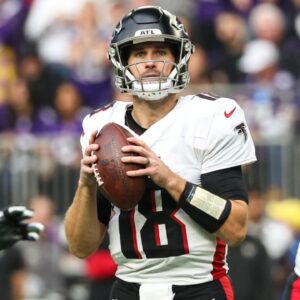
Braden Ramsey •
“Kirk Cousins is Way Overrated…”: Skip Bayless’ Hot Take Ages Well After Falcons Bench $180M Quarterback
-
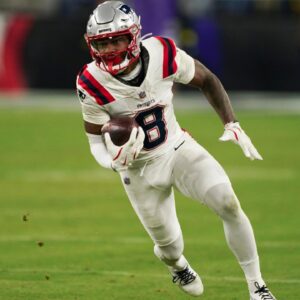
Reese Patanjo •
“They Said Josh Allen Ran Him Out the Building”: NFL Fans React as Stefon Diggs Gets Charged for Strangulation and Assault