


“Caffeine’s a Problem”: Dr. Andrew Huberman Joins Hands With Popular Endocrinologist Who Discloses the Eye-Popping Reality Behind Food Addiction

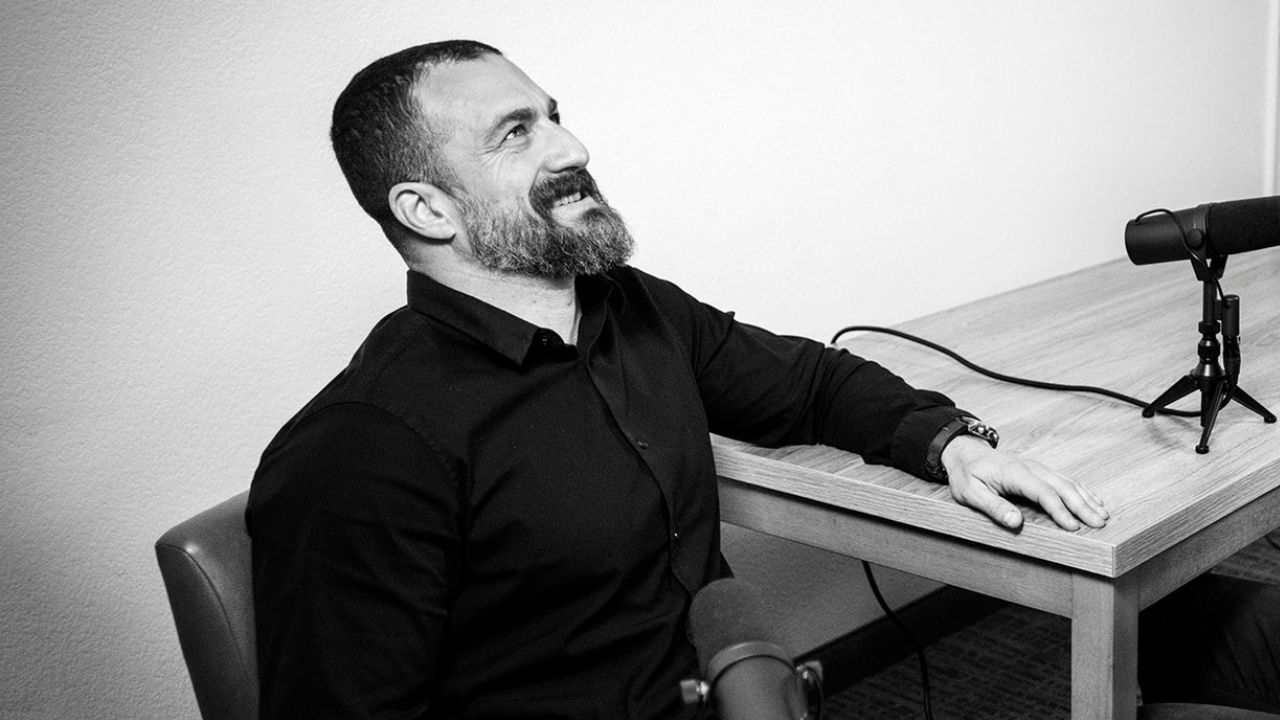
In today’s day and age, where food plays a major part in not just fitness but overall well-being, it is critical to take care of what one consumes. Neuroscientist Dr. Andrew Huberman, along with endocrinologist Dr. Robert Lustig, recently figured out the reality behind food addiction.
The duo had a detailed conversation on Huberman’s podcast, analyzing food, nutrition, different elements of food, and their impact. One of the key subjects they focused on was food addiction and how it works. In the end, they figured out the problem element that leads to an addictive reaction in our brains.
The first revelation came in the form of added sugars to food. According to Dr. Lustig, even foods not labeled as diet-specific could be laced with low-calorie sweeteners like sucralose. This leads to a chain reaction involving increased insulin levels, craving more food, and suppressing satisfaction.
Huberman compared the entire process to the workings of a slot machine. No matter whether you win or lose, the machine pulls you to keep spending your money without you observing the outcome.
“You’re effectively becoming an automaton of just eating without any kind of conscious understanding of what you’re bringing in or tasting the food any longer.”
Dr. Lustig defined addiction as tolerance dependence. Foods causing the above-mentioned reaction lead to an awkward middle stage where the subject doesn’t feel pleasure upon consumption but rather feels lousy upon not consuming. So, what element from our foods could aggravate the situation? The endocrinologist reveals:
“The point is that the fat’s not the problem, the salt’s not the problem… The caffeine’s a problem. Caffeine’s a classic addictive substance at every level; sugar’s a problem.”
So, does coffee exit out of everyone’s lives? Dr. Lustig confirms that’s not the case. Because while caffeine is definitely addictive, coffee is not proven to be toxic. However, mixing coffee with other substances, such as alcohol, could cause problems. All of this boils down to another concern, however. What should be one’s approach toward calorie intake, then?
Andrew Huberman highlights the fallacies in calorie counting
As fitness enthusiasts, one might obsess over the amount of calories we consume across various food items. But we fail to understand that counting calories might not be as accurate as we think. Dr. Huberman and Dr. Lustig sat down to analyze the true consumption and where the residual calories go.
View this post on Instagram
The processing of food involves the absorption of these calories and leaving residual ones for the gut bacteria to consume. Every kind of food will behave differently, have different byproducts, and have differing levels of residual calories for the microbiome. Therefore, take numbers with a pinch of salt and eat generically healthy and nourishing foods that would aid proper body functioning.
About the author


-

Radha Iyer •
Neuroscientist Dr. Andrew Huberman Unveils an Exciting Discovery About Working Memory and Dopamine in a Collaboration With Dr. Mark D’Esposito
-

Radha Iyer •
‘Biohacker’ Gary Brecka Recently Opened Up About the Incredible Benefits of Red Light Therapy
-
Rahul Goutam Hoom •
Andrew Huberman and Dr. Jordan Peterson Explains How Unmet Expectations Can Lead a Person to a ‘Depressive Cascade’
-

Rahul Goutam Hoom •
Dr. Melissa Sonners Recommends ‘5 Phases of Self Synchronization’ Using Self Care Tools to Enhance Overall Health on Gary Brecka’s Podcast
-
Radha Iyer •
“Every Body Part Gets Hit Twice”: Dr. Andrew Huberman Reveals the Secret Sauce to His Stellar Fitness
-

Radha Iyer •
“This Guy Will Change Your Life”: UFC President Dana White Credits Biologist Gary Brecka to Help Him Regain His Health