


“I Always Remember Something About Michael Jordan”: Lou Williams’ MJ Related Reason for Never Load-Managing

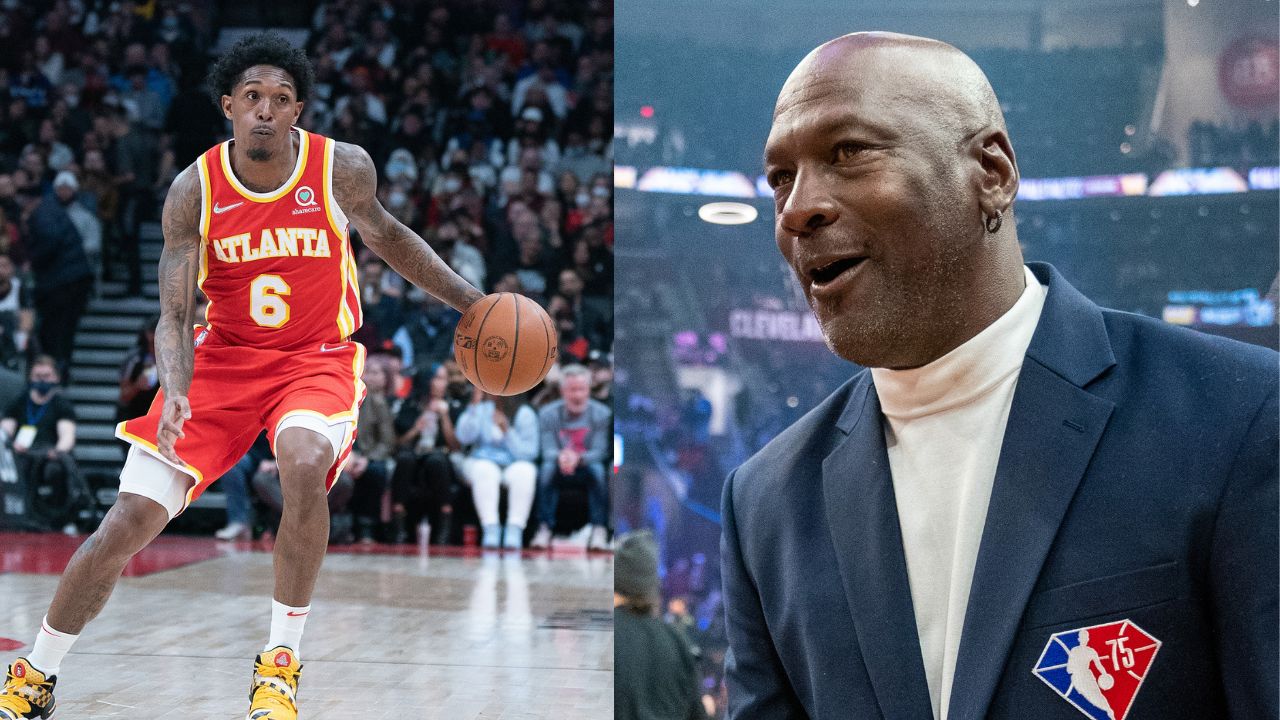
Load management is a polarizing topic in the NBA. People who grew up watching the intense 1980s and 1990s basketball were used to their stars playing through numerous injuries. Lou Williams, a three-time 6th Man of the Year, believed in the old-school idea, and had refused to take load management breaks during his playing career which ended in 2022. Michael Jordan had indirectly inspired him to keep going, he has revealed.
According to Williams, if a player doesn’t have serious injury problems, he should lace up and play, meeting their obligation to the fans and the team. He used Jordan as an example to explain why he hated when he had to take breaks despite being healthy.
“I always remember something about Michael Jordan. This was before I was in the NBA, and I carried this with me. He said, ‘Every time that I played, I always thought about the one kid that could only afford to come see me one time, and his parents spent money to see Michael Jordan play’. Now I wasn’t Michael Jordan, but I always felt like if there’s one person in this arena that came to see me, I want them to be able to see Lou Will,” remarked Lou on Byron Scott’s Fast Break.
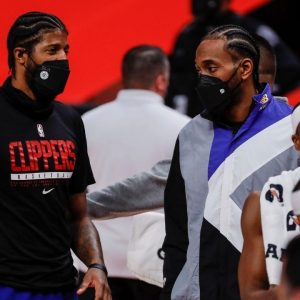
Williams went on to explain to his former coach Scott that load management was for players like Joel Embiid and Kawhi Leonard, who have a laundry list of injuries. They could use the breaks to ensure good health, and prevent a worse injury by rushing back.
Lou made sure that he practiced what he preached through his career. Over the 17 seasons he spent in the NBA, Williams played an average of 66 games per season. He shared his dislike for sitting out with former teammate Kobe Bryant, Scott pointed out on the podcast.
Williams calls load management a “gray area”
In the modern NBA, managing a player’s return from injury is a multi-step process. Most of the time, the decision is made by the analytical staff, the coaching staff, the medical team, and the management team. However, the player often bears the brunt of the announcement, said Williams, using Embiid’s example to illustrate this.
When Embiid claimed that he wouldn’t play back-to-back games this season, he was mocked openly on social media and on TV. Williams defended him.
“It’s a gray area for me, because you know coach, a lot of those decisions get made without the player sometimes…. A lot of these decisions are made before the player is even involved in the process,” said Lou.
“When it goes out to the public, the player has to deal with the fallout. Even Embiid, I feel like when he said, ‘I’m not playing in back-to-backs’, I think he was just echoing something that was said to him. I feel like he was comfortable enough to say that,” he added.
About the author

-

Advait Jajodia •
“With Trae Young and me, you can’t double-team”: Dejounte Murray puts the league on notice while talking about Atlanta Hawks’ future
-

Advait Jajodia •
“James Wiseman literally got carried by Stephen Curry and is posing like Kobe Bryant”: NBA Twitter roasts the Warriors youngster for a posting a photo with the Larry O’Brien trophy
-
Dylan Edenfield •
“Money Cleans Everything”: Charles Barkley Once Claimed Some NBA Players Look Like “D*mn Fools”
-
Prateek Singh •
“I’ll Score on Michael Jordan”: 5ft 9” Nate Robinson Confident He Could Beat Stephen Curry in 1v1, Reveals Other Legends He Couldn’t
-
Advait Jajodia •
“LeBron James, Kobe Bryant, Kyrie Irving, and all do things at such a high level”: Klay Thompson revealed the players who gave him the toughest time to guard
-
Samir Mehdi •
“Kawhi Leonard turned into Pandemic K against the Mavericks!”: Skip Bayless is outraged over the Game 5 Clippers loss to Luka Doncic and co