


Tom Brady Wonders If the Commercialization of College Sports is a Disservice to Student Athletes

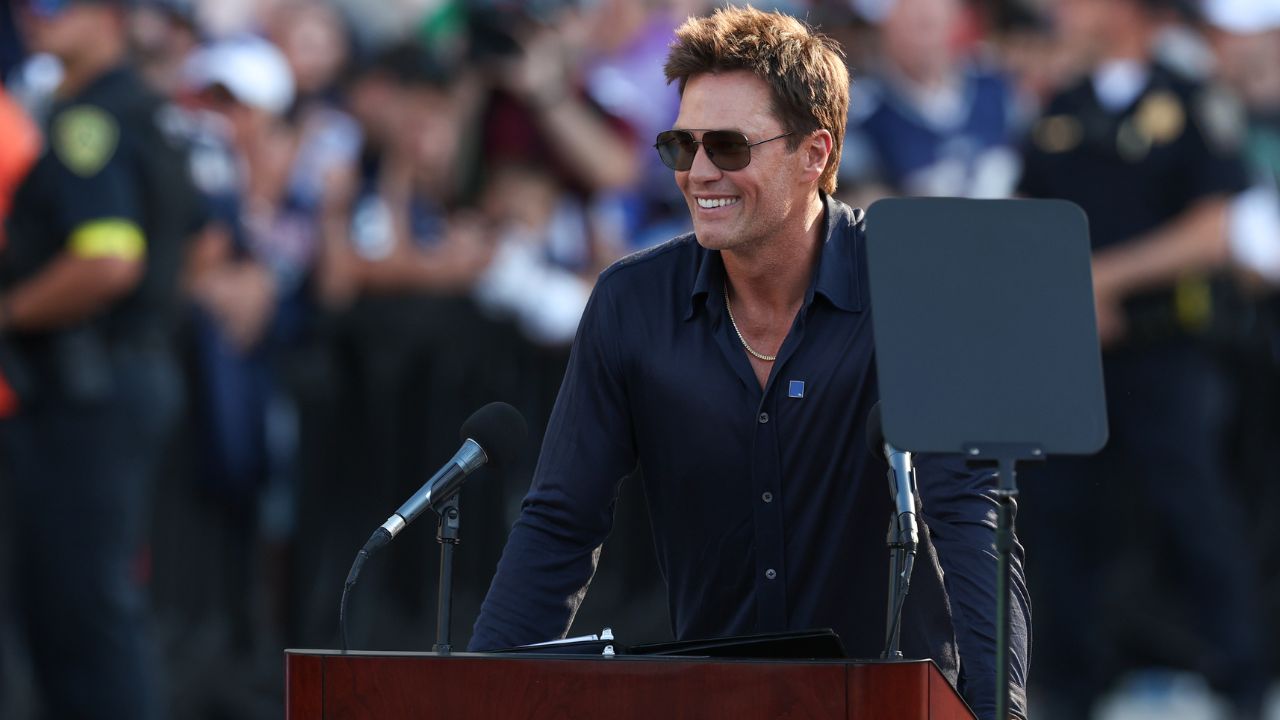
In the 25 years since Tom Brady last suited up for Michigan, college football has transformed into something almost unrecognizable.
The rise of NIL deals, the transfer portal, conference realignment, and now revenue sharing have turned the once “amateur” game into a multibillion-dollar industry. Players now navigate contracts, endorsements, and free agency-style movement as second nature, a reality that barely existed when Brady was in Ann Arbor.
And while many hail these developments as overdue empowerment for athletes, Brady isn’t entirely sure the changes are serving their intended purpose.
Speaking with Joel Klatt, the seven-time Super Bowl champion reflected on how the commercialization of college football might be altering what young athletes truly take away from their college years.
The Patriots legend started by describing his own time at Michigan as a formative period built on lessons about “competition, growing up, responsibility and accountability, team, decision making, work ethic, and leadership.” He worried that in today’s environment, the temptation of “the quick dollar” may pull athletes’ focus from those “sustainable traits” that last a lifetime.
“I wonder whether many kids these days will learn those sustainable traits… Are we doing them a disservice because we’re tempting them with some money in their pocket?” Brady asked.
“Their frontal lobes aren’t even fully developed yet, and now we’re tempting them with real-life adult situations,” he added.
In Brady’s college days, he recalls living comfortably off a $400 scholarship check, pizza cards, and team meals, with his focus squarely on competing and improving.
Now, as Klatt noted, the combination of “freedom of movement attached with the money” allows players to skip the grind of earning a role in favor of finding an open job elsewhere, a shift that calls into question the long-term value of the college sports experience.
Intriguingly, when asked if he would have stayed at Michigan in today’s climate, Brady admitted it was a hypothetical that’s impossible to fully answer. But he did insist that he “wouldn’t want it any other way” than the challenging, competitive path he took, because he believes removing that struggle from young athletes’ journeys is absolutely the wrong thing to do.
Without that struggle, Brady arguably wouldn’t have even made it this far.
“You can’t expect a 17 or 18-year-old to make these great decisions… It should be the parents. Be a good parent. Teach your kid the right values… The value isn’t always about the last dollar,” Brady said, adding that the sport is “prioritizing the wrong things” if money becomes the only measure of success.
Put simply, for Tom Brady, the concern isn’t whether players should be compensated. It’s whether the rush for instant rewards is eroding the very foundation that once prepared athletes for life after football. And in an era where the game has never been richer, his question lingers: Are young athletes truly richer for it?
About the author


-

Alex Murray •
Brittany Mahomes Gives Valuable Parenting Advice As Patrick Mahomes Sits For Some “One on One Time” With Daughter Sterling
-

Reese Patanjo •
Rex Ryan Urges Zac Taylor to Not Be “Typical” to Ensure “Old Guy” Joe Flacco Doesn’t Get Hurt Ahead of QB1 Debut
-

Ashish Priyadarshi •
Patrick Mahomes and Kevin Durant finance $3.6 billion venture ‘Whoop’ started by Harvard graduate Will Ahmed
-
Ayush Juneja •
Will the NFL Ever Institute a Draft Lottery Like NBA? Insider isn’t Too Optimistic About Any Such Possibility
-

Aniket Srivastava •
“It Was Pretty Known He Wasn’t Leaving”: Steelers Insider Reveals What Made Russell Wilson Stay in Pittsburgh for a $1.2 Million Deal
-

Oindrila Chowdhury •
“Keep Winning”: Russell Wilson Proudly Reveals His Son Is a Ball Boy for the Steelers