


Chase Briscoe Reflects on NASCAR’s Latest Move, and How It’ll Let Drivers Make a Bigger Difference

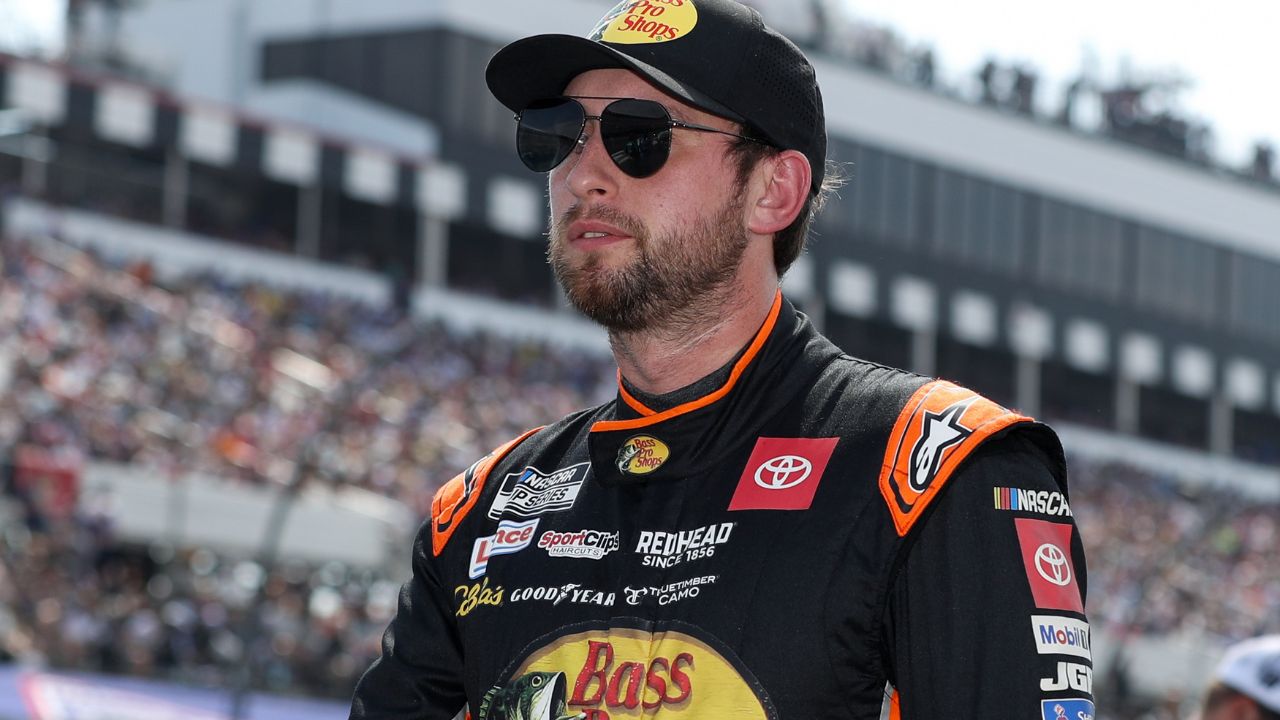
NASCAR President recently confirmed that the Next Gen car’s horsepower will climb to 750 for the 2026 season and beyond. The boost, however, applies only to short tracks and road courses, a move that makes sense on paper but leaves larger tracks stuck in neutral, with little promise of improved racing.
Still, Chase Briscoe welcomes the tweak, eager to see what even a modest power bump might bring to the table. Speaking to SpeedFreaks, the No. 19 Joe Gibbs Racing driver called it a step in the right direction.
“I think it’s definitely a great decision. More power is just going to make the tires wear out quicker and all those things. So it’ll definitely put a little bit more back in the driver’s hands.”
“It’ll be interesting to see what 750 feels like versus 670, 680, whatever we’re at now. I’m sure there’ll be a little bit of a difference, but I don’t know because I haven’t ran it yet.”
The adjustment translates to roughly a 12% horsepower increase, just enough to turn a few heads, though perhaps not sufficient to make a world of difference behind the wheel. Still, it could breathe new life into short-track racing, which has struggled to deliver edge-of-the-seat action in recent years.
He added, “So yeah, it’ll definitely be interesting. I’m definitely looking forward to doing it at some of these really worn-out racetracks, like in Iowa. I saw Darlington was even on the list, which that’s exciting… It’ll be fun just to kind of get out there. It’ll really kind of reset the field, I think, a little bit… I think just having something new will certainly make it where it’s a little bit of a question mark for all the teams, and it’ll kind of re-flip the field, I think, for a little bit.”
A little @SpeedFreaks sneak peak … @ChaseBriscoe on MORE HORSEPOWER coming to the #NASCAR Cup Series in 2026 pic.twitter.com/MEJMkjzqZN
— Cole Cusumano (@Cole_Cusumano_) October 9, 2025
According to Steve O’Donnell, pushing the number to 800 or 1000 horsepower would have come at a staggering cost, up to $50 million across the industry.
Moreover, all current OEMs, along with potential new entrants like Dodge and Honda, wanted a stable, sustainable platform that NASCAR could stick with for years to come, so they had to settle for 750.
About the author


-
Gowtham Ramalingam •
Ryan Preece Offseason Plans: Where the RFK Driver Is Racing Before 2026 Grind Begins
-
Gowtham Ramalingam •
Joey Logano Shares the Mindset That Helps Him Tune Out NASCAR Fan Criticism
-
Rahul Ahluwalia •
“I Would Expect More During the Super Bowl”: NASCAR Executive’s Blunt Response to Concern Around Fox’s IndyCar Focus
-
Gowtham Ramalingam •
NASCAR Preview: William Byron’s Crew Chief Details Chicago’s Track Surface Unknowns
-
Neha Dwivedi •
“The Reason Your Ratings Suck”: NASCAR Ripped Apart for Pushing Bubba Wallace in Latest Daytona 500 Promo
-
Neha Dwivedi •
“I Was Seeing Stars”: Connor Zilisch’s ‘Miserable’ ARCA Experience Should Put a Rest to ‘Are NASCAR Drivers Athletes?’ Debate & Here’s Why