


Shane van Gisbergen Breaks Down the Unique Challenges of Racing at COTA

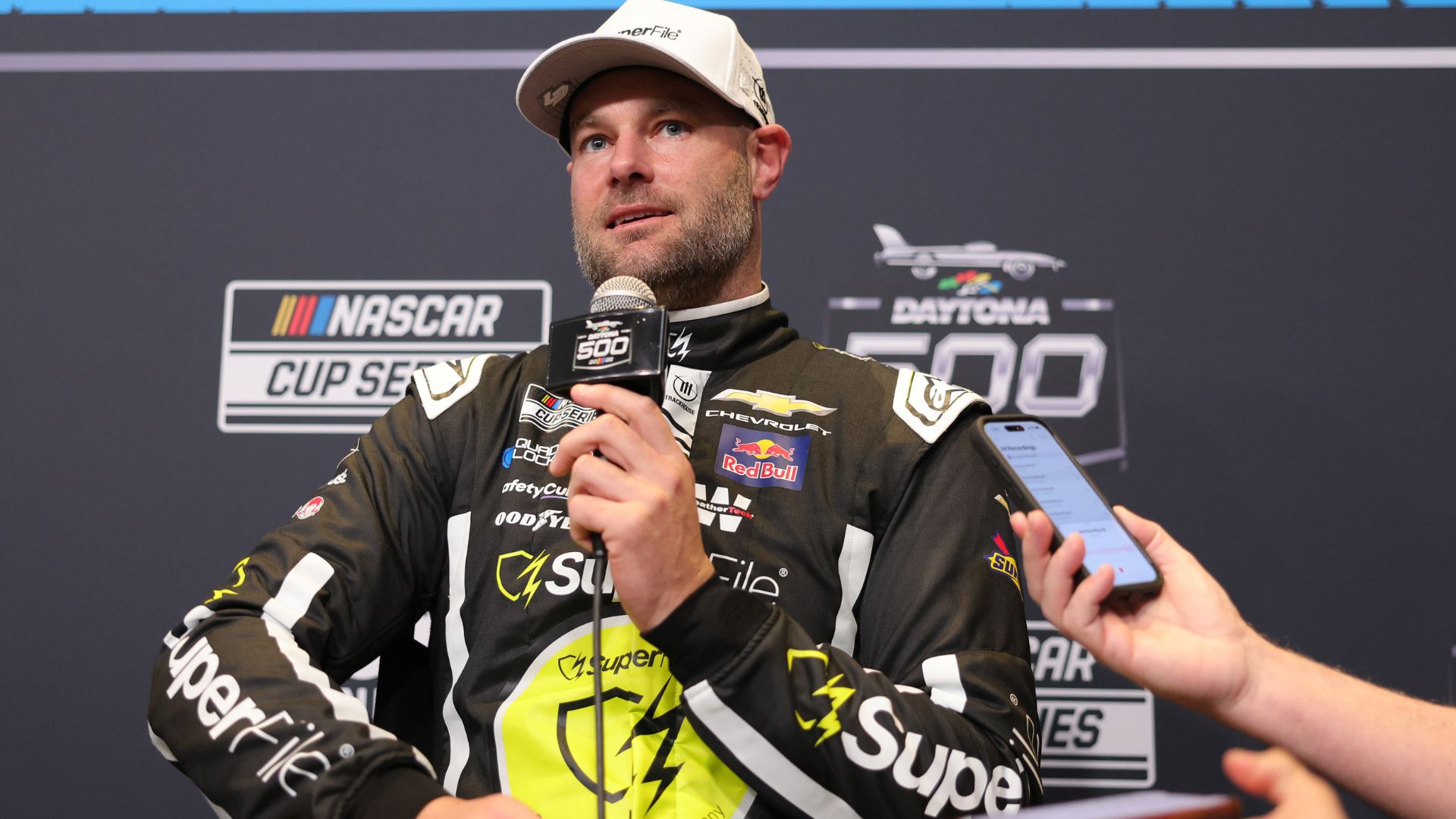
Shane van Gisbergen would normally arrive at Circuit of the Americas with stars in his eyes, the kind of track that fits him like a glove. Yet last year, the spoils slipped away as the win went to Christopher Bell. This time, he intends to kick off a road-course run right there, though even he admits the track has quirks that force a driver to earn every inch.
On a recent episode of Inside the Race, van Gisbergen broke down Circuit of the Americas corner by corner, showing how to hustle a car at the top tier. But he also pointed out what makes COTA a challenging track.
“For me, it’s the track limits,” the New Zealand driver stated. “Everywhere I’ve raced in the world, you got to stay within the white lines. Whereas here, like especially this corner we’re coming up to 19, everyone just blows it, and you’re allowed to go outside the track.
“And there’s more grip here off the track. So you’re kind of blowing through the corners to get to the grip off the track. It’s very very different to anywhere you ever race,” he added.
Heading into the weekend, van Gisbergen said balance sat at the top of the checklist. The Trackhouse Racing driver noted how tough it was to find that sweet spot. Last year, one section got fresh pavement, giving the front tires bite while the rear lagged behind. The car would dive into corners but struggle when it was time to put power down.
Ideally, no team can dial in a setup that works everywhere. One picks their poison and lives with the trade-offs. With COTA having several types of corners, the car needs to be balanced across the lap. A car that behaves the same through every phase becomes gold on tracks like this.
Last year, van Gisbergen started the race from P6 and finished P6. But he pointed out the gap between qualifying and race trim on road courses. It feels like driving two cars in one weekend. In qualifying, it is all about front grip for one flying lap, with tire wear pushed to the back of the mind.
But once the race starts, reality shows up with a clipboard. From there, it becomes about going the distance. As the rear tires fall away, the car gets loose, especially when putting the power down, forcing teams to adjust the setup. Drivers take the edge off, support the rear, and trade sharpness for control. It may not light up the senses, but it keeps the race from slipping through their fingers.
The No. 97 driver explained that street circuits like Chicago are all about heavy braking, sharp rotation, and then blasting away. COTA plays a different tune. It is smoother and more flowing, with corners that link together, demanding rhythm rather than aggression.
About the author


-

Srijan Mandal •
Kevin Harvick Foresees “Bigger Swings” in NASCAR’s Attempts to Fix Major Problem
-

Neha Dwivedi •
Dale Earnhardt Jr. Lays Out Clear Path for North Wilkesboro to Have a Points Race in the NASCAR Cup Series
-
Neha Dwivedi •
How Kyle Larson Can Be a Volatile Commodity Despite Riding Huge Momentum Coming off NASCAR Roval Victory
-
Gowtham Ramalingam •
Top 5 NASCAR Drivers to Have Made Headlines During This Year’s Silly Season So Far
-
Neha Dwivedi •
“Guess They Wanted a Chevy In There”: NASCAR Slammed for Race Manipulation By Joe Gibbs Insider
-
Jerry Bonkowski •
Kyle Larson’s NASCAR Journey Is the Perfect Plot for the Days of Thunder Sequel, Says Corey LaJoie