


Why Can’t NASCAR Drivers Dominate on the Track Like in the Old Days? Joey Logano Explains

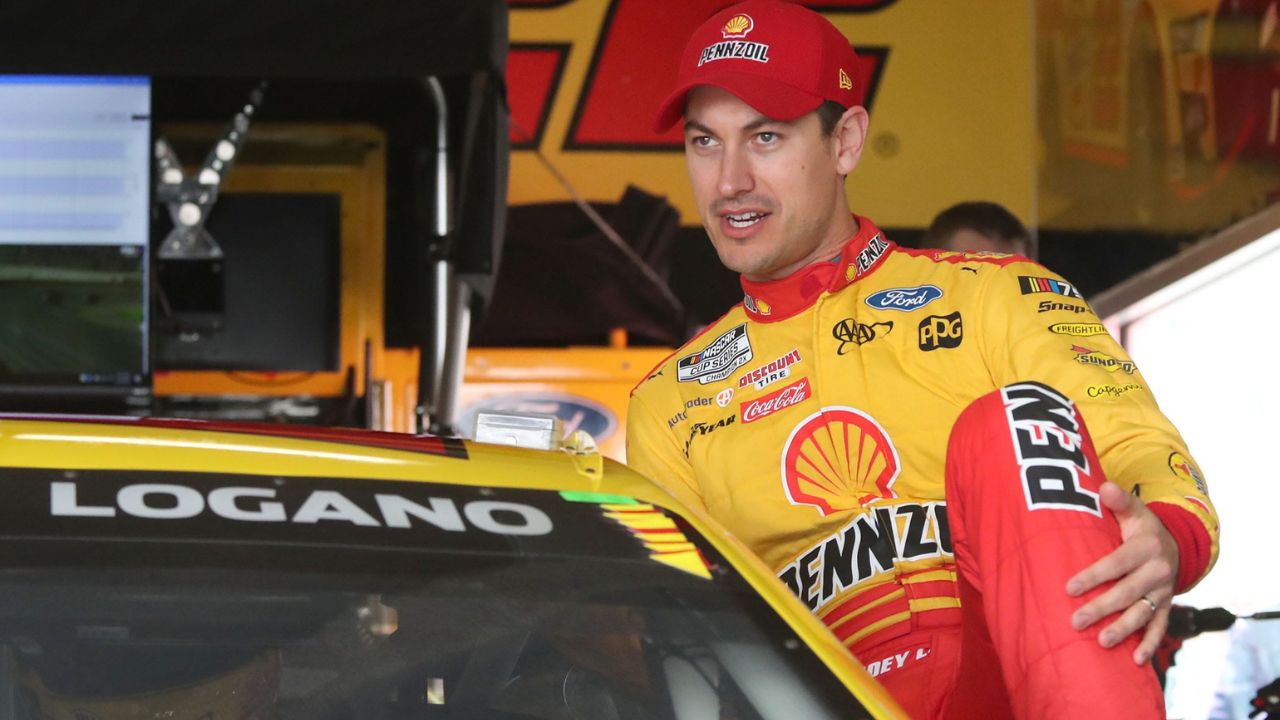
How do you pass a car that’s running at the same speed as you? Certainly, it’s impossible. And that is exactly what the two-time Cup Series champion Joey Logano admitted in a recent interview. The Team Penske star explained how the usher of the Next-Gen stock car has obliterated the chance of any one car dominating the rest of the field.
There was a time when NASCAR had to ban cars for being absolute beasts. Take the famous Dodge Charger, for example. From Talladega to Daytona, the 1969 Charger was a formidable force for anyone racing against it. This car was the first one to record a speed of 200 mph on the track. It wasn’t long before NASCAR banned it just because it was too fast.
Alas, gone are the good old days. “The days of seeing cars that can dominate the race, have a bad pit stop, have a pit road penalty or whatever it is, go to the back and drive through the field, those are gone,” admitted Logano. But why is it so difficult to perform an overkill with the next-gen cars?
Every car in NASCAR’s field is similar in terms of specs and components. Hence, being better than the others just in speed alone is not an option. “The cars are so close and everybody’s setups migrate closer and closer,” continued the #22 driver. “As the offseason comes, one engineer leaves to go to another team. Well, they take all their notes with them, right? And now, that team knows what the other team had, right? So as that all kind of gets jumbled up, everybody ends up running a very similar setup.”
“The drivers start figuring things out, all the cars end up being very very close so that means, the details mean everything. If you qualify bad, it’s really hard to move to the field because everyone’s running the same speed. So then strategy, pit stops, and all those things mean a lot, qualifying means a ton…” he added.
Why does NASCAR need the Next-Gen cars?
The Next-Gen cars debuted in the 2022 Cup season, which was raced by Joey Logano himself. The sole motive back then was to bring down the cost for the teams and also to attract OEMs (Original Equipment Manufacturers) to join Chevrolet, Ford, and Toyota in NASCAR by housing cars that looked similar to normal road cars.
“I believe new OEMs and the relevance of this sport, where this sport now ranks within the sports entertainment landscape, is different than it was a year ago, two years ago, three years ago,” said NASCAR president Steve Phelps. “With that, as well as the Next Gen car coming out next year, I think there’s going to be some renewed interest from an OEM perspective.”
Furthermore, it was expected that the Next-Gen cars would level up the field more for the cars on NASCAR’s roster. There was a time when teams could tweak the components of their cars here and there to receive a significant performance advantage. But now, it all comes down to qualifying, strategies, pit stops, and, of course, aerodynamics.
About the author


-
Gowtham Ramalingam •
Dale Earnhardt Jr. Argues Against AJ Foyt Being in the NASCAR Hall of Fame
-
Gowtham Ramalingam •
Denny Hamlin Makes Sensational Claim Around His NASCAR Win Count
-
Gowtham Ramalingam •
Denny Hamlin Takes Full Responsibility for Darlington Wreck Involving Erik Jones
-

Gowtham Ramalingam •
“I Wish I Would’ve Done That”: Dale Earnhardt Jr. Gets Candid About the One Regret That Still Haunts His Racing Career
-

Gowtham Ramalingam •
Denny Hamlin Lauds NASCAR’s Darlington Product as Just the One the Drivers’ Wanted
-
Neha Dwivedi •
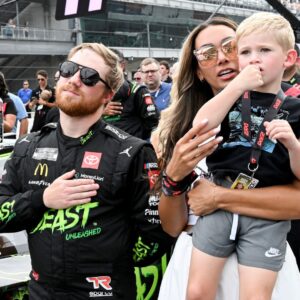
Alexa Reddick Opens Up on Parenting in NASCAR, Says Raising Kids at the Track Is Like Giving Them a “Hard, Addictive Drug”