


“Almost Impossible”: When Angry Roger Federer Refused to Credit Andy Murray After Losing To Him in 2006 Clash

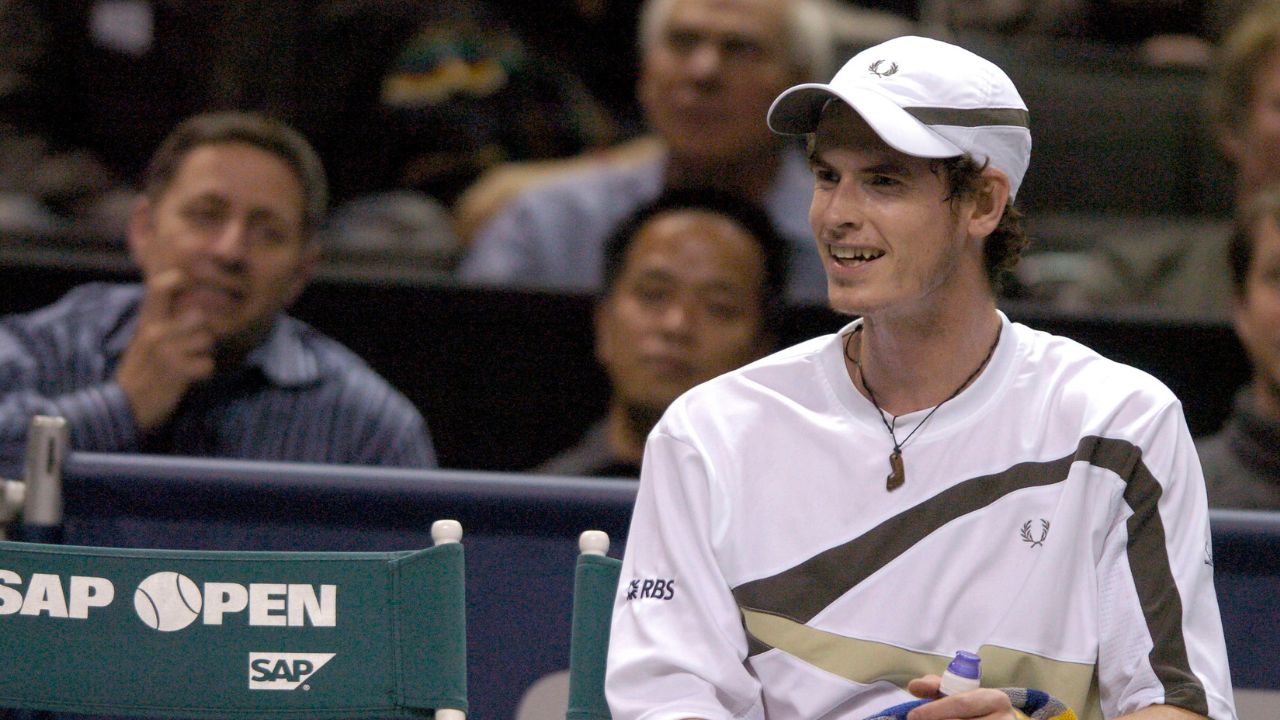
In 2006, a young Andy Murray stunned the tennis world by defeating the then World No. 1 Roger Federer in straight sets at the Cincinnati Masters. At just 19 years old, Murray was relatively unknown but showed immense potential by masterminding this victory with the help of coach Brad Gilbert. Gilbert had previously coached legends like Andre Agassi and Andy Roddick.
Murray’s win over Federer was historic, as it marked the first time in 28 months that the Swiss Maestro lost in straight sets. Murray played with remarkable composure and tactical brilliance, using his agility and sharp groundstrokes to outmaneuver Federer. The Brit’s ability to maintain pressure and exploit weaknesses was evident throughout the match.
Federer, on the other hand, struggled with consistency and made uncharacteristic errors. Despite Federer’s efforts, he couldn’t find a way past Murray’s solid defense and strategic play.
The defeat was a rare occurrence for Federer, who had been dominating the tennis scene back then. After the match, Federer expressed frustration, blaming the scheduling for his loss rather than crediting Murray’s performance.
He remarked on how the tight schedule affected his form, saying it was “almost impossible” to maintain peak performance with such demands. This response highlighted Federer’s competitive nature and perhaps a touch of arrogance because of being at the top for so long.
While scheduling issues were a legitimate concern, Federer’s comments seemed dismissive of Murray’s achievement. At the time, this reaction reflected the pressure and expectations that came with being the world’s best player.
Murray and Gilbert’s reflections
Murray and Gilbert were unsurprisingly thrilled with the victory. Gilbert praised Murray’s focus and execution, noting how the win was a testament to his potential.
Murray himself gained immense confidence from the match, recognizing it as a turning point in his career. The victory over Federer became a cornerstone for his future successes. Murray would go on to defeat Federer in 11 of their 25 encounters, proving his capability to challenge the greatest players.
Despite Federer’s initial reaction, their rivalry blossomed into one of mutual respect and admiration. Murray’s triumph in Cincinnati was a glimpse of the greatness that would define his career.
About the author


-

Reese Patanjo •
“Rolling the Red Carpet for Me”: Tennis Superstar Frances Tiafoe Reflects on VIP Invitation to Chiefs Game and Hanging Out With Travis Kelce & Taylor Swift
-
Advait Jajodia •
First Jannik Sinner, then Rafael Nadal: Next Gen Finals Alternate Martin Landaluce Gets Rare Middle East Sojourn
-

Advait Jajodia •
Jack Sock Compares Gael Monfils to Chris Brown While Picking the Best Players to Party With
-

Advait Jajodia •
When Nick Kyrgios Called Pat Rafter “Clueless” in Past Australian Open Beef
-

Dhruv Rupani •
4 Top Rafael Nadal Points From 2024 Season Ft. On-The-Run Forehand Passing Shot vs Carlos Alcaraz
-
Karthik Raman •
“I Wasn’t Good Enough”: Jo-Wilfried Tsonga Makes Grand Slam Confession After Two Heartbreaking Losses to Novak Djokovic