


NASCAR Ready to Fix What Dale Earnhardt Jr. Deemed Unfixable

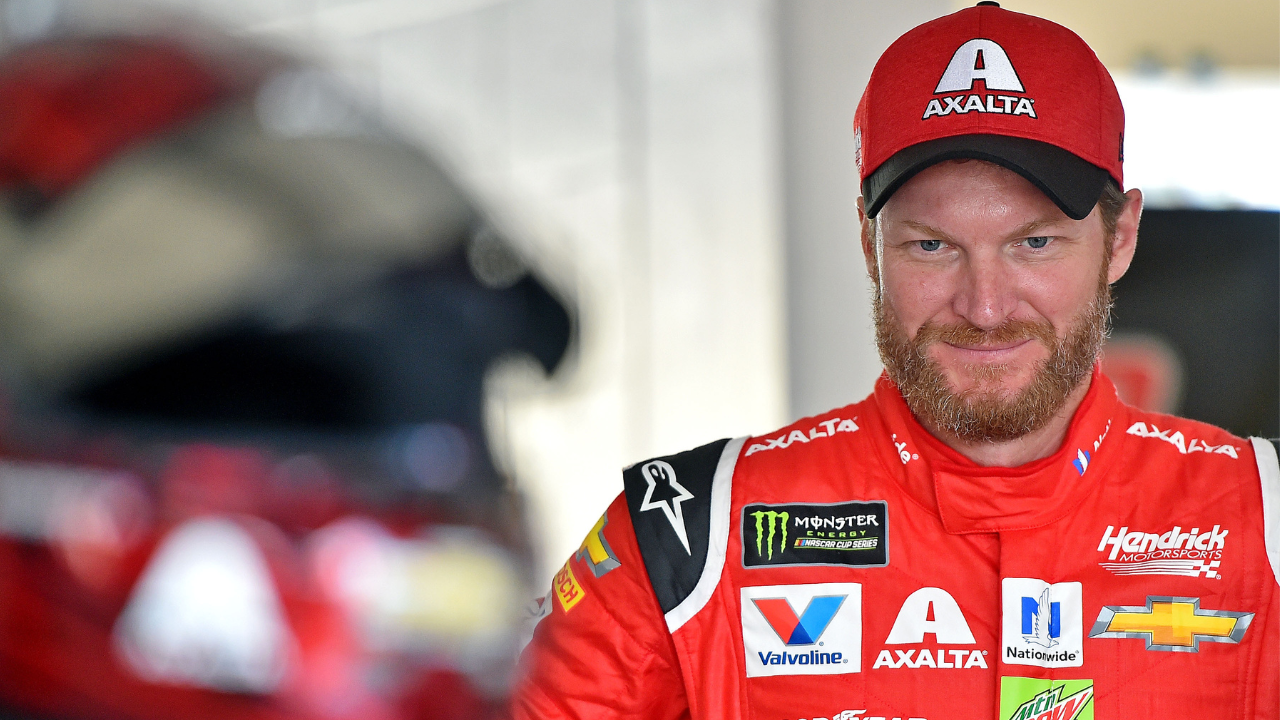
Fuel saving has become a key strategy for teams to get through superspeedway racing in NASCAR. The idea behind it is that by saving fuel on the track, cars can reduce the time that they spend to refuel. This would subsequently help them gain positions on the pit road. Despite the feasibility of the method, much of the latest Daytona 500 proved to be a dull affair because of it, and has now caused NASCAR to intervene.
Following the comments of Dale Earnhardt Jr. that threw heat on fuel-saving strategies, NASCAR’s Senior Vice President of Competition, Elton Sawyer spoke to SiriusXM NASCAR Radio. “Ultimately, we want to drop the green flag on the race and they’re racing as hard as they can until they drop the checkered flag,” he said.
He continued with assurance, “There’s some strategy in between there, and we will definitely take a much deeper dive into this particular situation and the strategy that goes into it.” The promise of action comes in the aftermath of watching drivers close to half-throttle at some points in the race.
Has @NASCAR considered changing the size of the fuel cell to prevent “riding around” on superspeedways?
“The short answer is yes.”
⛽ #NASCAR Senior VP of Competition Elton Sawyer with more ⬇️ pic.twitter.com/g6Ip8NO6Hw
— SiriusXM NASCAR Radio (Ch. 90) (@SiriusXMNASCAR) February 21, 2024
Discussing the strategy of running slower laps purposefully, Dale Jr. had earlier talked on his podcast and considered the issue to be one without a solution. However, he did ponder over some options that might work out, with shorter stages being one of them.
Dale Earnhardt Jr. brainstorms ways to take fuel-saving out of races
A key stat that proved the depth of the fuel-saving strategy was the differences in the speed of the race leaders in lap 29 (51.307 seconds) and lap 37 (47.489 seconds). The general consensus is that fuel-saving will be a factor in racing as long as a stage is longer than the distance that a car can run on a full tank of fuel.
Dale Jr. proposed two different solutions with the same thought in hindsight. He said, “To take fuel mileage out of the equation, you need to have the stages short enough so that they can run the entire stage on one tank. That’s one way of doing it. I don’t like that but it would create these little 50-lap sprints, right? So you could do it like that.”
He proposed that if the stages were split in half, it would stop the drivers from playing the fuel mileage game. The other solution that Earnhardt proposed was to make the stages even shorter still with no breaks in them. “Make the stage so short that it’s like 30 laps, which is probably not going to happen.” He continued to pitch the idea of adding a fourth stage to the Daytona 500, with a stage caution at lap 100.
As self-acknowledged by Dale Earnhardt Jr. his solutions are unlikely to be followed by NASCAR. With an increased fuel cell size or shorter stages out of the question, the promotion could be looking at ways to make refueling cars a quicker process.
About the author

-
Shaharyar •
“This Was My Dream”: Denny Hamlin Presents Exciting Contest for the Ultimate Race Fans
-
Rahul Ahluwalia •
Why William Byron Is Not Losing Sleep Over NASCAR Regular Season Championship
-
Srijan Mandal •
“I’ve Gotten Wrecked in All Three Races” – Brad Keselowski Opens on His Involvement With Tony Stewart’s SRX Series
-
Shaharyar •
“No Matter How Hard You Try..”: Dale Earnhardt Jr.’s Word of Advice to Jimmie Johnson
-
Nilavro Ghosh •
Who Is Jenna Petty? All You Need to Know about NASCAR Star Harrison Burton’s Fiancé
-
Neha Dwivedi •
Everything About Michel Disdier, the French Racing Driver Making His NASCAR Return