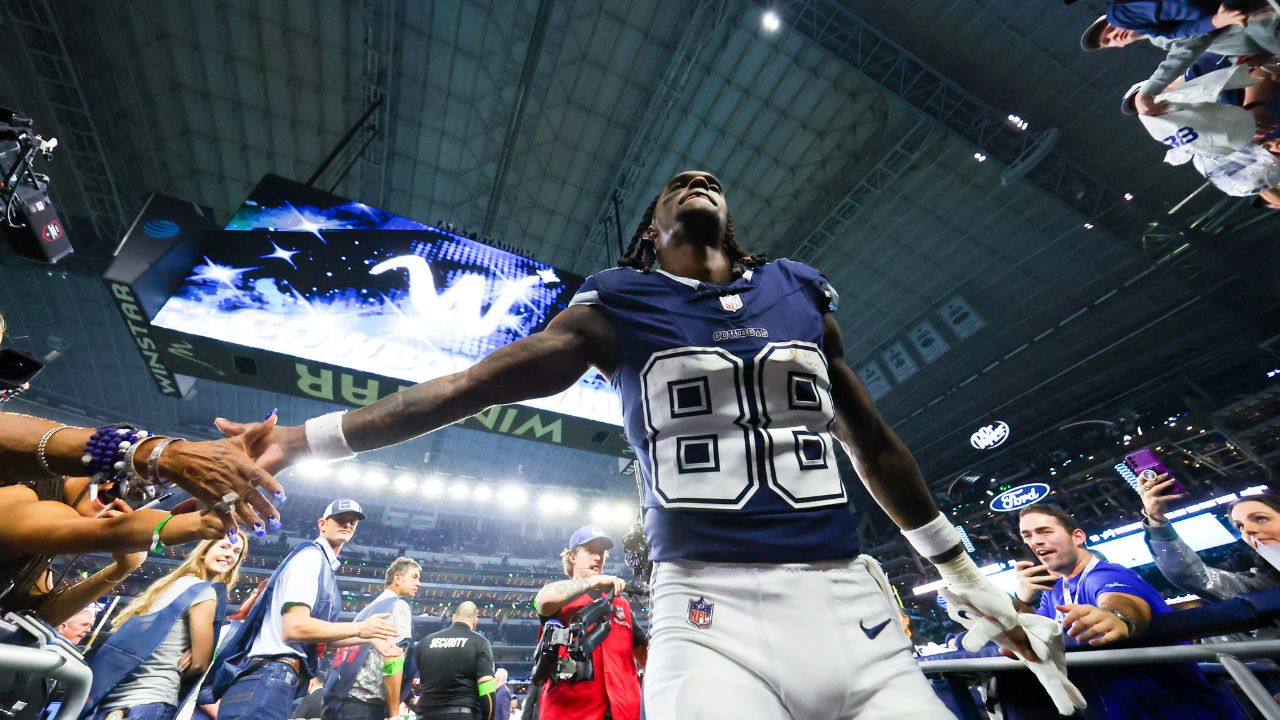
As Cowboy Ceedee Lamb made a move toward the right pylon over a four-yard pass during Sunday’s game, his touchdown hopes were quashed as the Lions cornerback Kindle Vildor knocked the ball out of his arms and through the back of the end zone, causing a fumble. What followed was a touchback for the Lions and a costly turnover for the Cowboys. This sequence reignited the ongoing debate about the touchback rule.
The touchback rule has become a major topic of contention among players, analysts, and fans alike. Earlier this year, a similar sequence had ignited the question about whether or not players should be penalized for fumbling out of the end zone. During the Vikings-Eagles game in September, Vikings WR Justin Jefferson came close to scoring a receiving touchdown just before halftime.
Upon closer examination, it was revealed that he had fumbled the ball over the pylon. Initially declared out of bounds at the 1-yard line by the officials, a subsequent review of the footage led to a reversal of the ruling to a touchback. Nevertheless, Vikings QB Kirk Cousins defended the penalty as he said,
“The penalty is harsh, but that’s just part of football…The end zones are precious, and that orange pylon in the corner is especially precious, which explains why Justin was reaching for it.”
While Sunday’s game ended favorably for the Cowboys despite the touchback, the Vikings did not enjoy the same fate as they lost 34-28 to the Eagles. However, the Cowboys’ touchback has once more divided the court of opinion of football fans, with many citing the rule as the ‘Worst rule in the NFL.’
However, the rule found some supporters too as fan credited the rule for making the game more interesting, and told players to simply “not fumble,”
The touchback rule is one of the most debated rules in the NFL. The NFL has decided to look into the rule this offseason, and with the court of public opinion divided, it might be a hard task. But what makes this rule so controversial?