


Michael Johnson Questions How Track Stars Can ‘Sustain’ Their ‘Mainstream’ Fame After Olympics

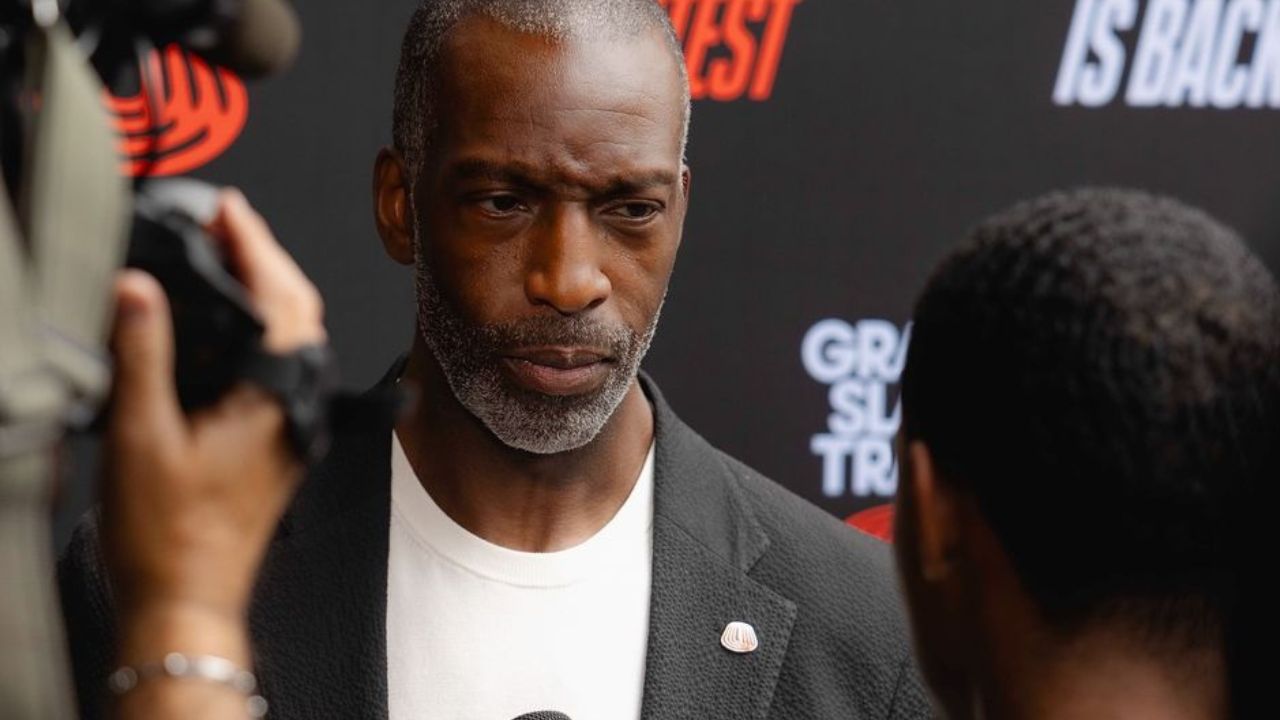
The Paris Olympics finished a month ago, and Michael Johnson just posed an intriguing question concerning the futures of track stars and their capacity to sustain public attention.
The track legend wanted to focus on the impending problems that the current generation of athletes may face while sustaining their ascent to stardom outside the Olympic spotlight.
Johnson was a fierce competitor during his time in the sport. Even after retirement, he became a role model for the community and the next generation of athletes.
He has witnessed the evolution of track and field, and based on his observations, he noted that the buzz builds up around the Olympic Games and then fades away.
“Track Olympic gold medalists receiving mainstream superstar attention in the weeks following the Olympic Games. Historically it doesn’t last.“
The track legend recognized that the gold medalists had received tremendous attention this season. However, Johnson emphasized the low longevity of it. This led him to put forward a question to the Olympians, stating:
“What can they do to sustain it?“
This was a serious question from a track legend in the sport. Since Johnson’s era, the sport’s popularity has always been tied to an Olympic season, and that remains unchanged. And as he noticed the same cycle of popularity beginning to reoccur, he posed this inquiry.
Track Olympic gold medalists receiving mainstream superstar attention in the weeks following the Olympic Games. Historically it doesn’t last. What can they do to sustain it?
— Michael Johnson (@MJGold) September 10, 2024
Johnson, however, was not the first athlete to voice such concerns and advocate for a shift away from the Olympic paradigm.
Noah Lyles calls for a change in track and field
A few months before the Paris Games, Noah Lyles spoke with Dazed Digital about redesigning track and field. The 27-year-old knew that, even if a single season featured many track events, viewership declined significantly between two summer Olympics.
To avoid this problem in the future, he wanted the sport to “break away from the Olympic model,” innovating and changing it to attract newer audiences while keeping old fans satisfied. Overall, he preferred the sport to be updated like other big sports, particularly leagues such as the NFL and the NBA.
About the author


-

Rahul Goutam Hoom •
Michael Johnson Shares Grand Slam Track’s Mission to Become the ‘Voice of Track’
-

Rahul Goutam Hoom •
4-Time World Champion Justin Gatlin in Awe of Letsile Tebogo Shutting Down the ‘World Record Conversation’ at the World Relays 2024
-
Rahul Goutam Hoom •
“6 Year Old Me Would Be Proud”: Simone Biles Shows off Olympic Medals, Internet in Awe
-

Radha Iyer •
“Can’t Clone This”: Kenny Bednarek Builds Up a Tough Persona Ahead of a Promising Season
-

Radha Iyer •
Soaring New Heights, Simone Biles Sets a Unique Record Ahead of the Paris Olympics
-

Radha Iyer •
Wallace Spearmon Recalls Usain Bolt Receiving Warnings From Rival Xavier Carter for Zurich Race