


‘Todd Monken Should’ve Lied’: Analyst Slams Ravens HC Over Shedeur Sanders QB1 Call

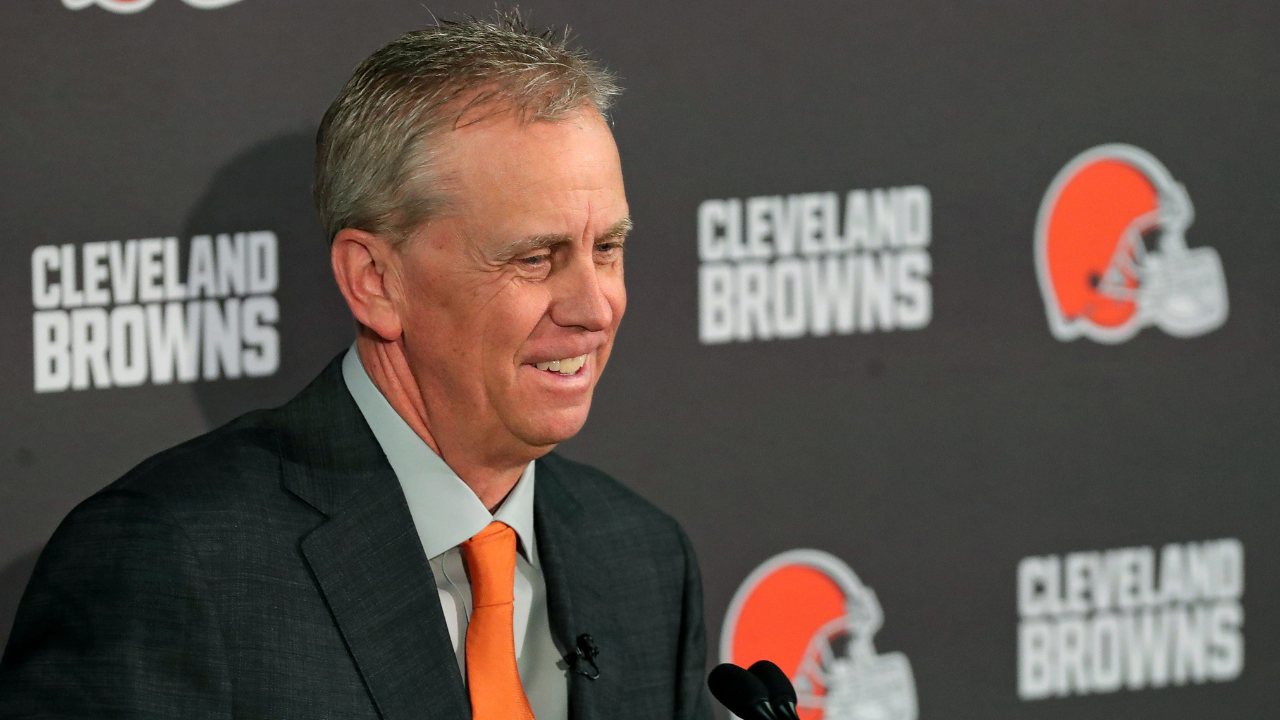
When Cleveland Browns head coach Todd Monken said that Shedeur Sanders’ role is still “to be determined,” he possibly had no intention other than giving an honest, reasonable answer. However, the comment has ignited a debate about leadership, quarterback development, and whether transparency is always the right approach for a franchise desperate for stability.
When Sanders was asked about Monken’s remarks, he responded with maturity, acknowledging that he still has to “prove it every day” to earn his place. “That’s what’s expected,” Sanders said.
“Each and every day, I have to prove it. The small goals add up to long-term success,” added the former Colorado star, whose calm, measured response earned praise and reinforced the idea that he understands what is required. But the whole episode led to a philosophical divide on Speak Easy.
Former NFL running back LeSean McCoy defended Monken’s honesty, arguing that the new coach simply hasn’t had enough time in Cleveland to make a definitive call. Analyst Emmanuel Acho, meanwhile, pushed back forcefully, insisting that Monken should have publicly committed to Sanders regardless of private doubts.
In Acho’s view, this was a moment where leadership required certainty, not caution. McCoy’s argument centered on context.
Monken has only been in Cleveland for a short time, with limited opportunities to study film, evaluate practice habits, and build relationships with his quarterbacks. Declaring Sanders the starter immediately would have been premature.
McCoy also reminded everyone about Sanders’ draft position, adding that fifth-round selections do not arrive with the same organizational investment as first-round picks. “It’s not a guaranteed role,” he explained. “Let the coach get in there and watch the film.”
For McCoy, Monken’s answer sent the right message: Nothing is given, everything is earned. For Sanders, who climbed from Jackson State to Colorado and then to the NFL, this approach is a defining factor in his entire football journey. More importantly, Sanders himself appeared comfortable with the situation, choosing accountability over complaint.
To McCoy, Sanders’ response reflected maturity and competitiveness. Those traits are essential for long-term success. Acho, however, viewed the situation through a different lens. While he respected Sanders’ poise, he questioned Monken’s public messaging in light of Cleveland’s recent quarterback instability.
Last season, Sanders’ role shifted constantly, moving from backup to third-string, receiving limited preseason reps. Acho argued that this lack of clarity damaged both the player’s development and the team’s cohesion.
Because of that history, Acho believes Monken should have provided public support to Sanders for the time being. “Whether he knows it or not, lie,” continued Acho. “Say, Shedeur’s the guy.”
Acho then pointed to Minnesota’s handling of J.J. McCarthy as an example, noting that early confidence can stabilize a locker room, strengthen trust, and give a young quarterback the psychological security needed to grow. Without that commitment, Acho fears Cleveland risks repeating past mistakes.
Both arguments carry weight. Acho is right that quarterbacks often thrive in stable environments, and history shows that inconsistent roles can stunt development. The Browns, more than most franchises, understand that reality.
However, McCoy’s position reflects the realities of roster management. Sanders does not carry automatic franchise status, and anointing him prematurely could weaken Monken’s credibility if performance does not match expectations.
In many ways, Monken is walking a fine line between motivation and stability. And so far, Sanders appears willing to embrace that stance, taking it up as a challenge.
Monken’s approach also fits his broader coaching philosophy. Rather than forcing players into rigid systems, he builds systems around individual strengths. Monken uses simple but highly efficient concepts tailored to his personnel. That philosophy suggests the quarterback competition is less about doubt and more about discovery.
If Monken’s track record holds, Cleveland’s offense is poised for a meaningful change. His philosophy emphasizes adaptable explosiveness and taking advantage of defensive weaknesses rather than following rigid scripts. From Air Raid concepts in college to his flexible system in Baltimore, Monken has consistently prioritized results over tradition. Browns fans should expect weekly adjustments and a more aggressive, matchup-driven approach.
That adaptability extends to quarterback development, too. Lance Reisland has noted that Monken “can maximize whatever these QBs can do,” and that principle will guide Cleveland’s offensive structure. Rather than running one system for multiple passers, Monken tailors pocket movement, passing windows, route timing, and protection schemes to each quarterback’s natural rhythm. Whoever wins the QB job will inherit an offense designed specifically for their strengths.
Cleveland’s run game is also expected to evolve. By bringing over Travis Switzer from Baltimore, Monken is importing a modern, physical rushing attack built on pulling linemen, misdirection, and multiple formations. This will not be a conservative, outdated approach, but a complementary system designed to relieve pressure on the quarterback and create space for players like Quinshon Judkins.
Ultimately, the debate surrounding Monken’s “to be determined” comment reflects Cleveland’s larger struggle for stability at the most important position in football. Fans want certainty. The media wants declarations. Analysts want hierarchy. Monken, however, has chosen evaluation over optics.
So far, Sanders seems ready to handle that reality. He didn’t complain. He didn’t deflect. He didn’t demand special treatment. Instead, he embraced competition and responsibility, reinforcing the belief that he is prepared for the long process of earning his place.
Acho isn’t wrong that confidence matters. McCoy isn’t wrong that credibility matters. Monken has chosen credibility first, trusting that performance will eventually dictate perception. Now, the pressure shifts to Sanders.
If he delivers, “to be determined” will quickly become “the guy.” And if general manager Andrew Berry supplies the right pieces through free agency and the draft, Cleveland may finally find alignment between its quarterback, its coach, and its vision for the future.
About the author


-
Vasudha Mudgal •
“Peyton (Manning) Could Never Handle Life Outside of Dome”: Tom Brady Takes a Playful Jibe at Former Rival, Defending His Delta Airlines
-
Ashish Priyadarshi •
How Many Challenges In NFL? How Many Challenges Does Each NFL Team Get?
-
Aniket Srivastava •
Mic’d Up Referees Caught Discussing How 49ers Have Made a Huge Mistake at the Super Bowl OT
-

Braden Ramsey •
Did Patrick Mahomes Wish to Play for the Cowboys? When Pat Mahomes Sr. Revealed Jerry Jones’ Message
-
Suyash Deep Sinha •
Jealous Peyton Manning Was Blown Away by Aaron Rodgers’ Insane Throwing Skills
-
Alex Murray •
Colorado Fans Believe Travis Hunter Got Robbed of a Deserving Honor