


Mike Mentzer Once Revealed the Optimum Technique to Measure Body Fat in Bodybuilders

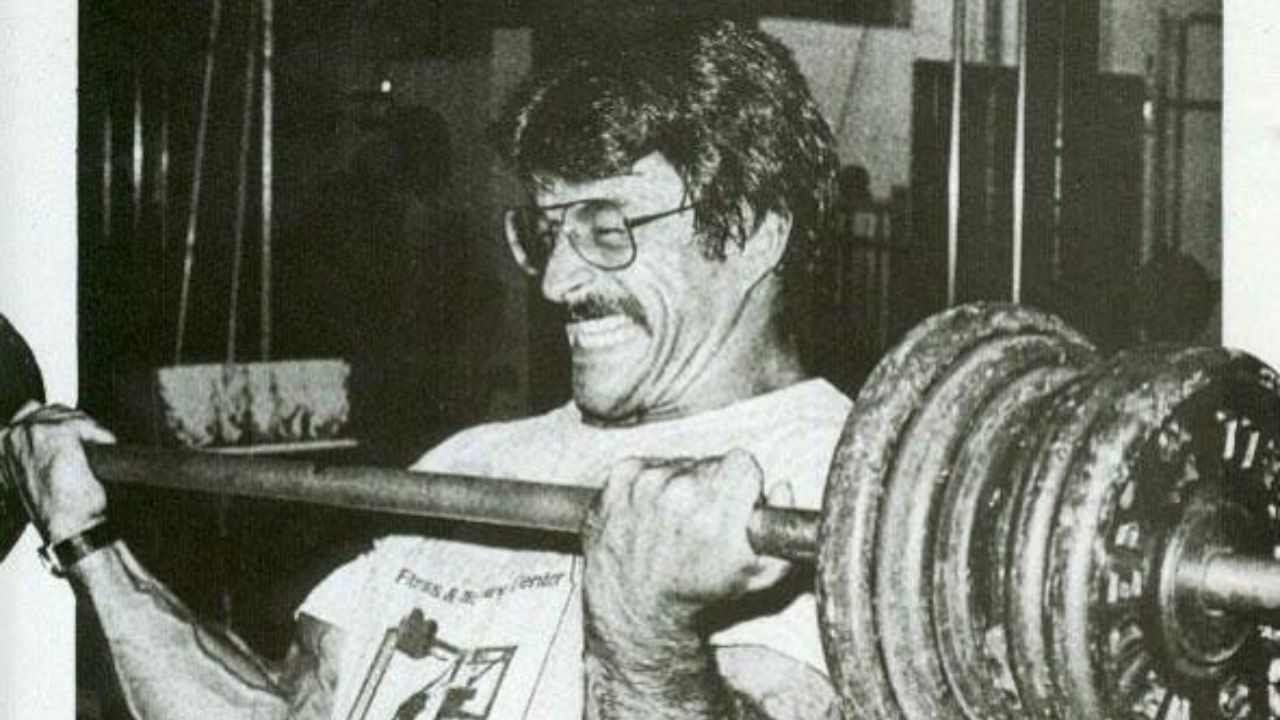
An athlete’s prep for a bodybuilding championship consists of many phases and tasks to check off before reaching the stage. One of the most significant steps is to measure one’s body fat percentage. Mike Mentzer had once talked about certain techniques that could help calculate this measurement in bodybuilders.
Body fat percentage is essentially the amount of fat present in an individual’s physique against their total mass. There are various ways to calculate this, including pinching the skin with medical calipers or the most popular method, hydrostatic weighing.
Hydrostatic weighing is arguably one of the most accurate techniques to measure one’s body fat percentage since it takes into account multiple takes and proper equipment. Mentzer revealed how weighing underwater worked to pick out one’s body fat.
Since fat is less dense, it would float underwater, and special tools separate that from the overall muscle mass of an individual. He also mentioned how athletes would be measured before and during the submersion, thus providing accurate results.
“Muscle is denser than water. The individual’s lean body mass…will sink and be weighed while fat…will float and not be counted.”
Once the athlete is aware of their body fat percentage, which is the amount of fat and muscle mass they have, it is easier for them to set targets. Moving on, Mentzer revealed that this measurement helped determine the time one needed to take to get ripped.
“By knowing exactly how many pounds of fat are on your body, you can calculate how much time it will take to reach a percentage of body fat consistent with that condition we call ‘ripped’ – usually 3-6% of overall body fat.”
In a detailed video by Heavy Duty College, Mentzer went on to explain the downsides of other techniques and the importance of going by instinct. In his case, he would scrutinize every area of his body and had his two cents to share about contest prep.
How did Mike Mentzer Maintain His Body Fat Levels for Competitions?
Mentzer was popular for his extremely aesthetic figure – full, yet conditioned. He achieved this not only through a set of structured workouts and diet plans but also by constantly monitoring his physique.
Recalling his prep work from back in the day, Mentzer talked about how he would pinch his naval area to see if it was thinning as the competition got closer. If it did without costing him his energy and strength, he would continue his regular routine. He also advised allocating at least five to six weeks, and not more than ten to twelve weeks for prep work. That’s how he became one of the best bodybuilders.
About the author


-

Brandon Gabriel Isaacs •
“Where the Mind Goes, the Body Follows” Vegan Arnold Schwarzenegger Reveals His Perception of Unhealthy Foods
-

Radha Iyer •
Mike Mentzer Once Warned Fitness Enthusiasts Against Extending Their Sets
-

Radha Iyer •
Arnold Schwarzenegger Discloses a 22-Minute Daily Hack to Combat Diabetes, Depression, and Cardiovascular Disease
-
Radha Iyer •
The Right Way to Lift: Dr. Mike Israetel Comes Clean on the Correct Technique for Maximum Muscle Growth
-

Radha Iyer •
“Heart Valves Made Lifting Heavy Impossible”: Arnold Schwarzenegger Comes Clean on Huge Changes in Workout Routine Since Multiple Heart Surgeries
-
Radha Iyer •
Arnold Schwarzenegger Debunks the Six-Calories Theory on Gaining Muscle Mass